Red Light Therapy for Athletes: Does It Actually Work?
Mar 13, 2026
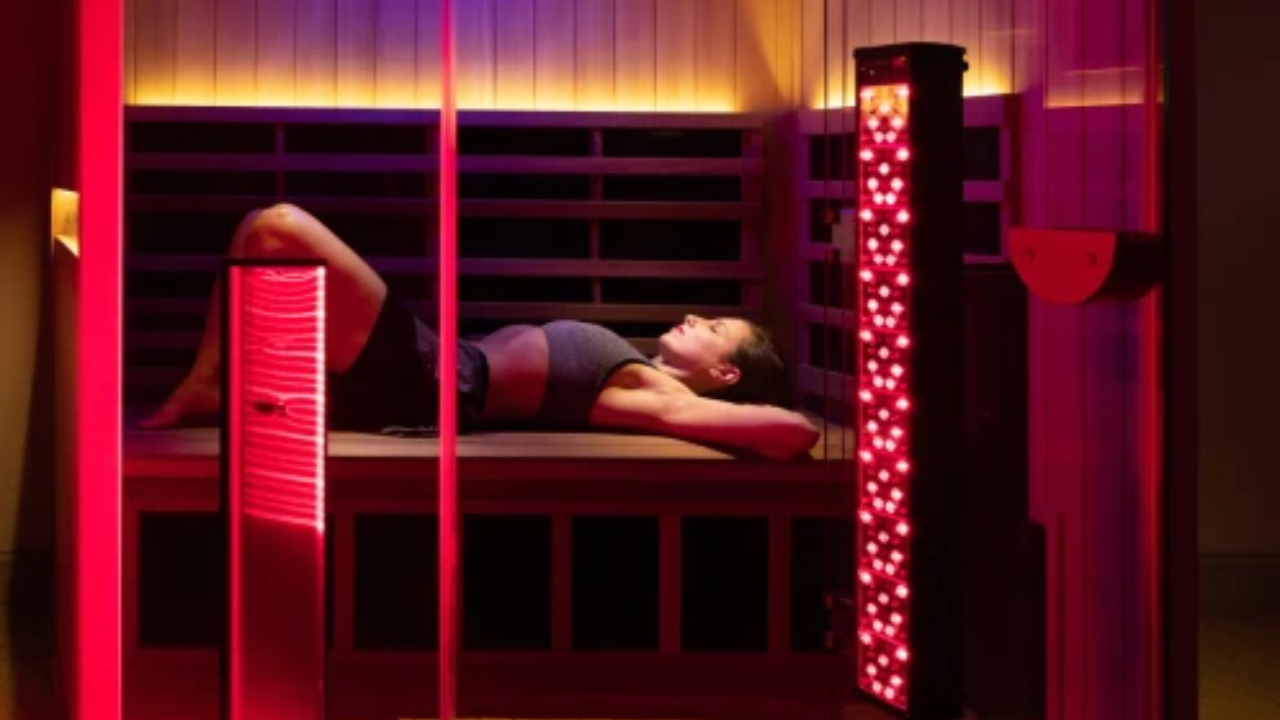
Red light therapy has exploded in popularity over the last few years.
You’ve probably seen:
-
athletes sitting in front of glowing red panels
-
biohackers talking about mitochondria and cellular energy production
-
ads promising faster recovery and reduced inflammation
-
devices costing anywhere from $800 to more than $10,000
And naturally the question becomes:
Does red light therapy actually work for athletes…or is it just another wellness trend?
Because right now most athletes fall into one of three camps:
-
Some have never heard of red light therapy and have no idea what it does.
-
Others have seen the marketing but remain sceptical.
-
And some have already bought a device, but aren’t sure whether it’s actually a good one or how to use it properly.
So let’s cut through the noise and start with the basics.

What Is Red Light Therapy?
Red light therapy, also known in research as photobiomodulation, refers to exposure to specific wavelengths of light, typically in the red and near-infrared range of the spectrum.
Unlike ultraviolet light, these longer wavelengths don’t damage skin. Instead, they can penetrate tissue and interact with cells in ways researchers have been studying for decades.
A large part of the interest around red light therapy relates to its potential influence on mitochondria, the structures inside cells responsible for producing energy.
In simple terms, mitochondria help convert nutrients and oxygen into usable cellular energy.
And because energy production underpins everything from muscle contraction to recovery, it’s easy to see why athletes have become interested in the potential applications of light exposure.
But before jumping to conclusions, it’s important to look at what the research actually shows.
What the Research Says About Red Light Therapy
Research on red and near-infrared light exposure has been ongoing for more than 60 years across medical, rehabilitation and biological fields.
Researchers have explored its potential role in areas such as:
-
cellular energy production
-
inflammation
-
tissue repair
-
metabolic health
- diabetes
- autoimmune conditions such as Hashimoto’s
Some findings are promising, particularly when specific wavelengths, intensities and exposure protocols are used.
But the key phrase there is specific parameters.
Because one of the biggest misconceptions about red light therapy is that simply sitting in front of any red light will produce meaningful biological effects.
In reality, the research is far more nuanced.
The outcomes seen in studies depend heavily on factors like:
-
the wavelength used
-
the intensity of the light
-
the distance from the device
-
the duration of exposure
These variables are precisely why the commercial market for red light devices has become so confusing.
If you're interested in how the science actually works and what the studies really show, I walk through this step-by-step inside the Red Light Therapy for Athletes Masterclass.

Why Many Red Light Therapy Devices Are Misleading
The red light therapy industry has grown extremely quickly.
Unfortunately, the science hasn’t always kept pace with the marketing.
Many devices look impressive, but don’t disclose the specifications that actually determine whether they work.
For example, manufacturers may highlight:
-
the number of LEDs
-
the colour of the light
-
general wellness claims
But omit key information like irradiance at distance, which is critical for understanding how much light actually reaches tissue.
Without this information, it becomes very difficult to compare devices or understand whether they resemble the conditions used in research.
This is one of the reasons athletes can end up spending thousands of dollars on devices without knowing whether they’re actually getting meaningful exposure.
And that’s where things become tricky.
Because red light therapy might be promising in some contexts… but not every device on the market is capable of delivering the parameters used in scientific studies.
Do Athletes Actually Need Red Light Therapy?
This is another important question.
Before looking at recovery tools or performance technologies, it’s worth remembering that the foundations of performance remain the same.
For endurance athletes especially, the biggest drivers of recovery and performance are still:
-
training load management
-
nutrition and fuelling
-
sleep quality
-
overall recovery strategies
No device can replace those fundamentals.
That said, technologies that influence cellular energy production or inflammation naturally attract attention in sport science.
And as research continues to explore how light exposure interacts with human biology, athletes are understandably curious about where it might fit into the bigger picture.
But curiosity alone isn’t a great reason to spend thousands of dollars on equipment.
Which is why understanding the actual science and device parameters is so important before investing in anything.
The Real Questions Athletes Should Be Asking About Red Light Therapy
After digging into the research and speaking with experts in the field, I realised that most athletes aren’t actually asking the right questions.
Instead of asking:
“Which panel should I buy?”
The better questions are:
-
Does red light therapy actually work for athletes?
-
What do the studies really show?
-
Which device specifications matter?
-
And how would you actually use it in practice?
Because until you understand those things, choosing a device is essentially a guessing game.
Want the Full Breakdown?
To help athletes cut through the noise, I created a Red Light Therapy for Athletes Masterclass where I walk through:
-
what the science actually shows
-
the device parameters used in research
-
how to evaluate red light therapy devices
-
and practical protocols athletes can experiment with
Before spending hundreds or thousands of dollars on a device, it’s worth understanding what the evidence actually says.
Watch the Red Light Therapy for Athletes Masterclass here
Frequently Asked Questions About Red Light Therapy
Does red light therapy actually work for athletes?
Some research suggests red and near-infrared light exposure may influence cellular energy production, inflammation and tissue repair. However the outcomes depend heavily on the wavelength, intensity, treatment distance and exposure time used.
Inside the Red Light Therapy for Athletes Masterclass, I break down what the human research actually shows and what it might mean for athletes in practice.
How long should red light therapy sessions be?
It depends on what you're trying to achieve and the device you're using.
Exposure times in research studies vary widely depending on the wavelength, light intensity and treatment distance. Understanding the parameters of a device is essential before applying any protocol.
This is exactly why many athletes struggle to know how long to sit in front of a panel or how far away they should be.
Are red light therapy devices worth the money?
Devices can range anywhere from several hundred dollars to more than $10,000. Without understanding the science and device specifications, it can be difficult to determine whether a device delivers meaningful light exposure. Before spending thousands of dollars,it’s worth understanding what parameters matter and how to evaluate a device properly. I walk through this step-by-step inside the Red Light Therapy for Athletes Masterclass.
What wavelength is used in red light therapy?
Most research focuses on wavelengths in the range of approximately:
- 600–750 nm (red light)
- 750–1000+ nm (near-infrared and infrared light)
Different wavelengths interact with tissue differently, which is why the goal of the treatment and the device specifications both matter.
If you're curious about red light therapy but unsure whether it’s worth the investment, understanding the science and device parameters first can save a lot of expensive guesswork.
The Bottom Line
Red light therapy is one of those topics where the science is interesting, but the marketing often runs ahead of the evidence.
Some research findings are extremely promising.
But the details matter.
Wavelength, intensity, treatment distance and exposure time all influence outcomes, and those factors are rarely explained clearly in advertising.
So before investing in a device, it’s worth taking the time to understand:
-
how the technology works
-
what the research actually shows
-
and how athletes might apply it intelligently.
Because when it comes to performance and recovery tools, informed decisions are always better than expensive guesses.
Ready to fuel your training properly?
Start with the Triathlon Nutrition Kickstart Course.
The ULTIMATE
Triathlon Nutrition Checklist
Wondering how well you're nailing your nutrition to support triathlon training and racing?
Download my FREE 50 step checklist to triathlon nutrition mastery.
We hate SPAM. We will never sell your information, for any reason.
Author