
From Couch to Ironman at 48: A Triathlete’s Nutrition Journey
Mar 09, 2026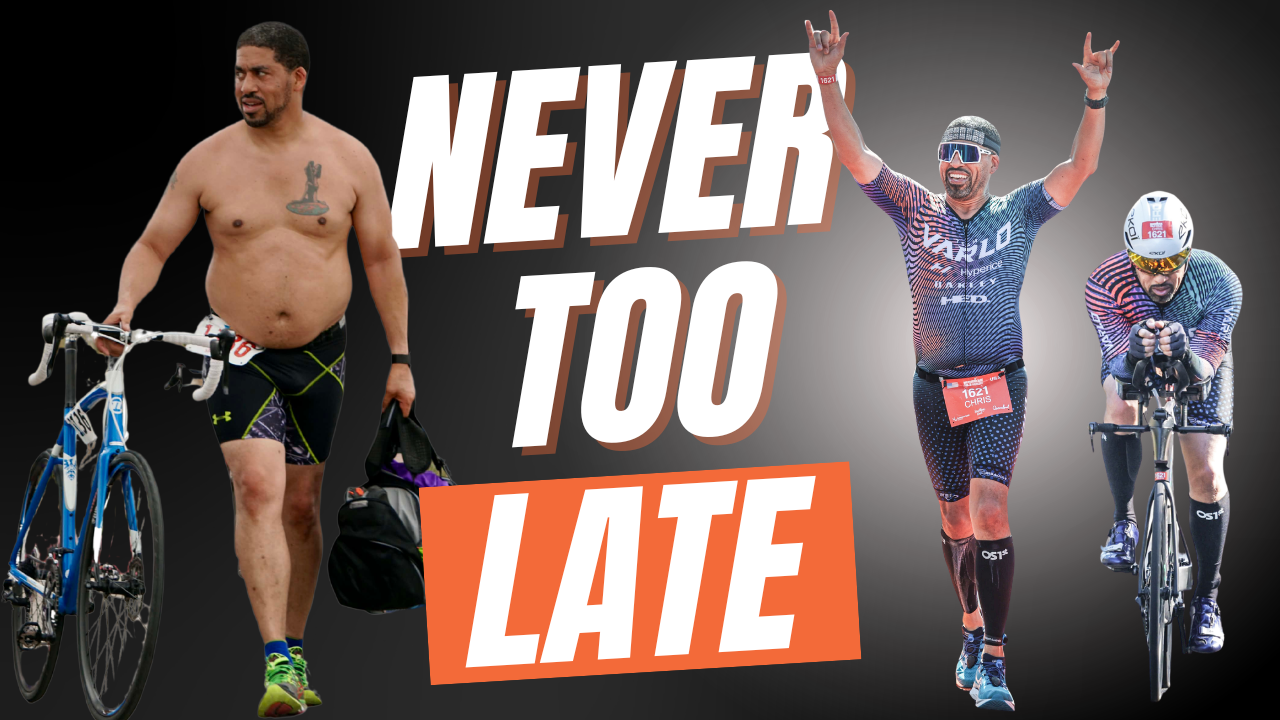
Starting triathlon later in life can feel intimidating. Many age group triathletes wonder if they’ve missed the boat or if it’s too late to build the fitness needed for long course racing.
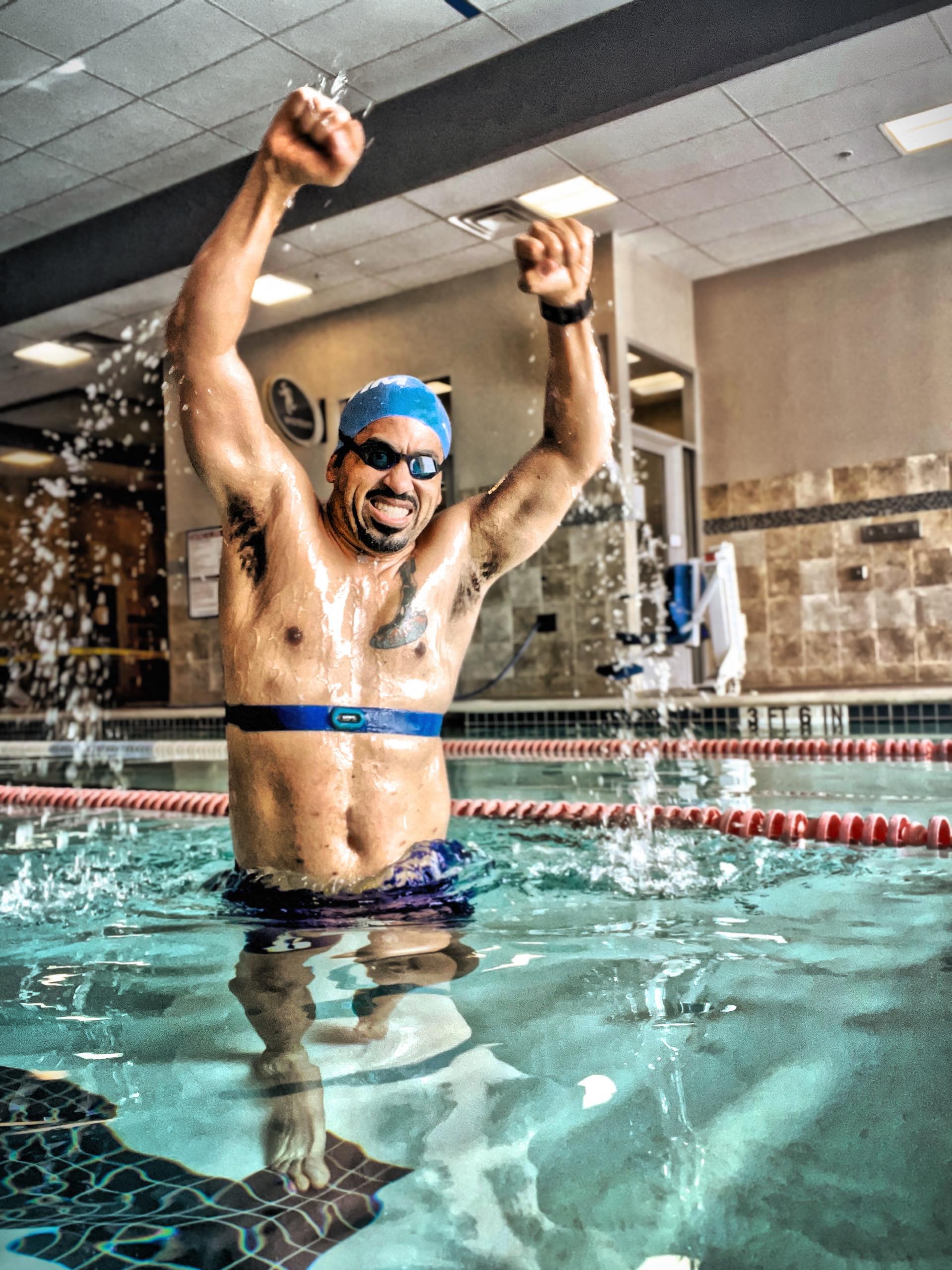
But what if you went from doing zero exercise to completing multiple Ironmans… starting at 48 years old?
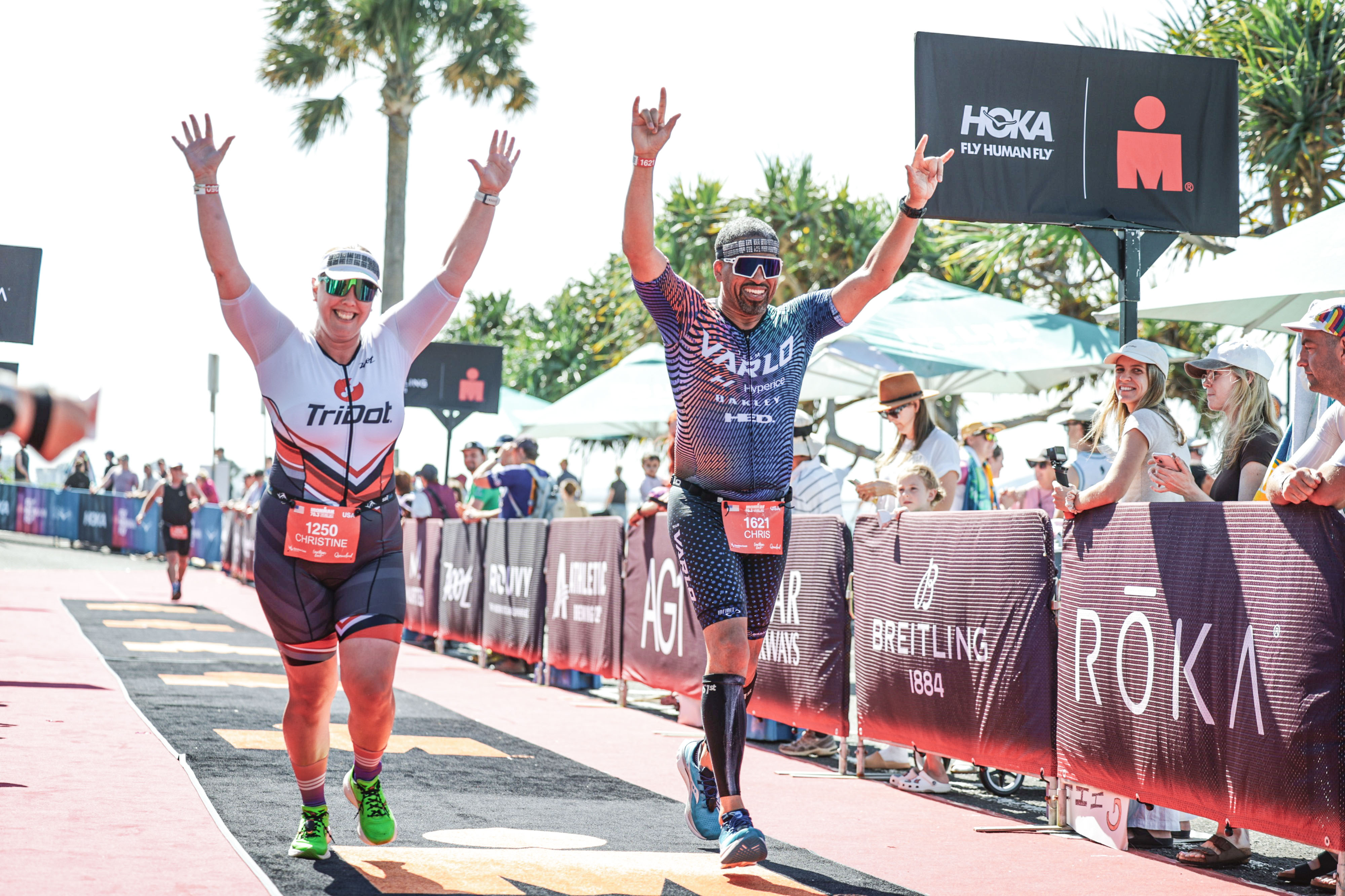
That’s exactly what Triathlon Nutrition Academy athlete Chris Tubbs did.
His journey wasn’t smooth. There were DNFs, cramping, expensive supplement stacks and a hydration disaster waiting to happen.
But once he dialled in his nutrition and hydration strategy, everything changed.
In this article we unpack the key lessons from Chris’ journey and what every triathlete can learn from it.
In this article you'll learn:
-
Why fitness isn’t always the reason races fall apart
-
The common supplement mistake many triathletes make
-
How hydration can make or break your race performance
-
Why personalised nutrition beats guessing every time
-
Practical lessons you can apply to your own training and racing
The Moment Everything Changed
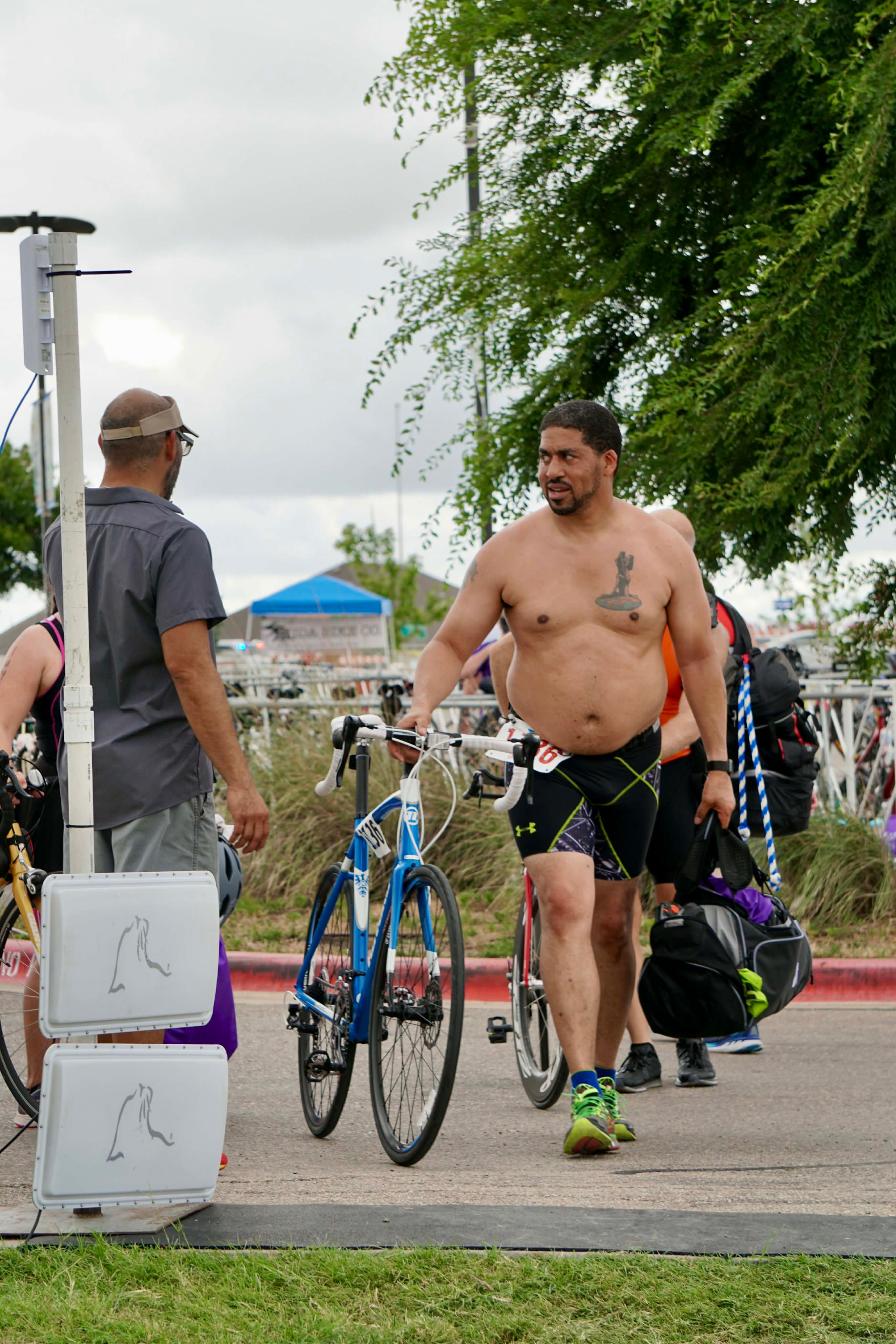
Chris describes himself as a “championship potato chip eater.”
For years his routine looked like this:
-
Work long hours in the biotech industry
-
Travel constantly for work
-
Sit on the couch most nights
-
Eat whatever was convenient
Then one moment changed everything.
After seeing a photo of himself in a suit that no longer fit properly, he decided it was time to change.
Not gradually.
Not slowly.
But completely.
His solution?
Set a “ludicrous goal” big enough to force a lifestyle overhaul.
That goal was triathlon.
Within months he had started training… and before he knew it, he had signed up for an Ironman.
When Training Hard Still Doesn’t Work
Early in his triathlon journey, Chris did what many motivated athletes do.
He simply tried harder.
More training.
More effort.
More sessions.
But races kept falling apart.
He explains it perfectly:
“I thought I just wasn’t fit enough, so I kept trying harder.”
The problem wasn’t commitment. It was missing pieces of the performance puzzle.
Some of the issues he faced included:
-
Frequent cramping
-
Nausea and dizziness
-
Poor race execution
-
Multiple DNFs
And like many triathletes, he assumed the solution was more supplements.
The Supplement Trap Many Triathletes Fall Into
Chris was spending $150 to $200 per month on supplements.
He was constantly buying new products because:
-
Other athletes were using them
-
Marketing promised better performance
-
He assumed he needed them to keep up
But the results didn’t match the investment.
Once he joined the Triathlon Nutrition Academy program, we focused on building proper nutrition foundations first.
That meant:
-
Prioritising real food intake
-
Fuelling training appropriately
-
Removing unnecessary supplements
Chris admits he was nervous about this change.
“I thought the supplements were holding me up.”
But when he removed most of them?
His performance improved.
He had:
-
More energy
-
Better sleep
-
Less cramping
-
Lower stress around nutrition
And a much happier bank account.
The Real Problem: Hydration
Even after improving his nutrition foundations, Chris still struggled with racing.
That’s when we discovered the real issue.
His sweat rate.
Chris loses around 2 to 2.2 litres of sweat per hour.
For context, that’s extremely high.
He jokingly calls himself the “human sprinkler.”
If you’ve ever trained with someone who leaves puddles behind them on the bike trainer, you’ll understand.
Before understanding his sweat rate, Chris was:
-
Drinking too little
-
Getting severely dehydrated
-
Experiencing intense cramping
-
Overheating in races
Sometimes he overcorrected and drank too much, leading to sloshy gut and nausea.
Once he measured his sweat rate and created a hydration strategy tailored to him, things started to change.
What Changed Once Hydration Was Dialled In
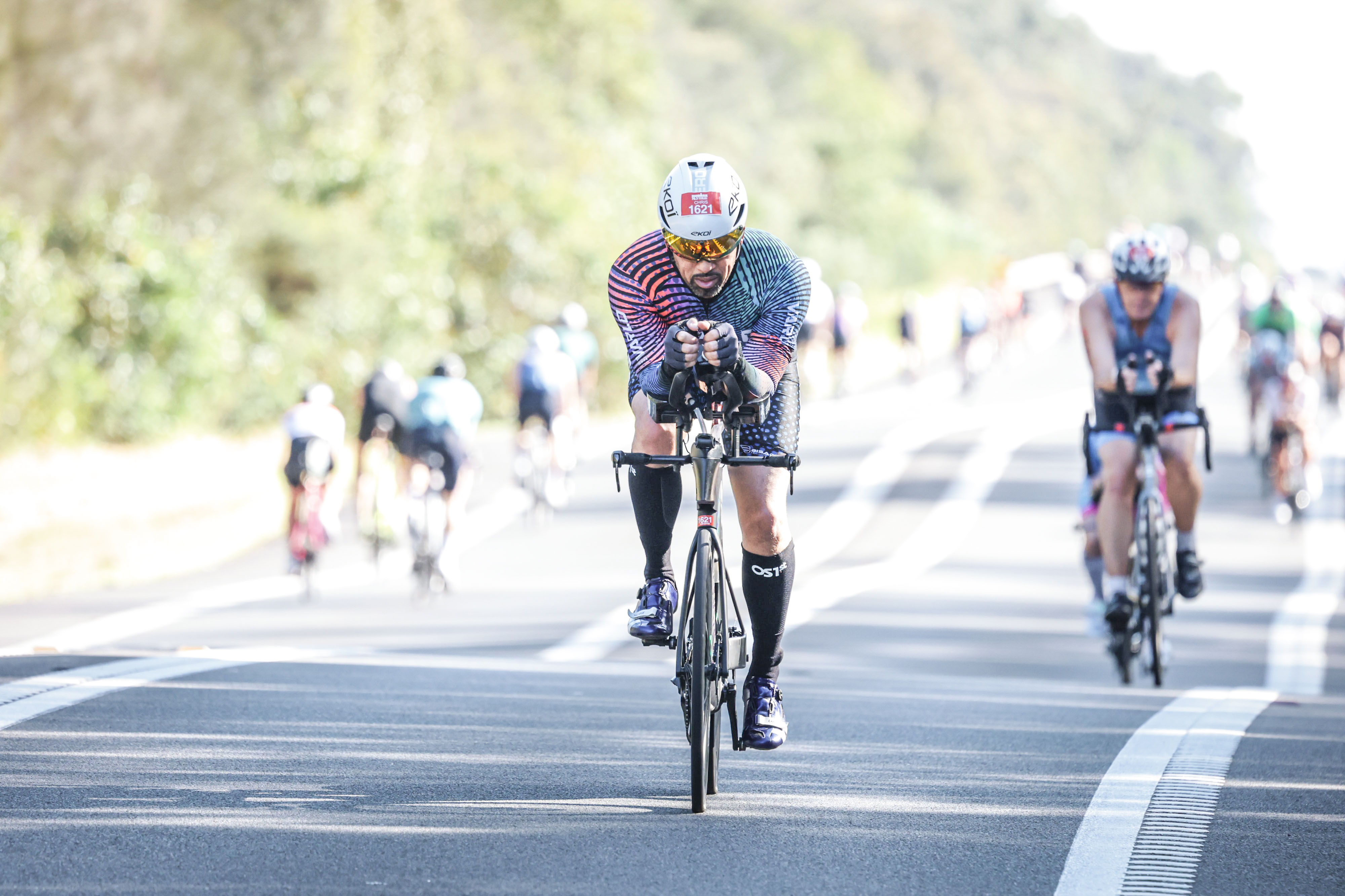
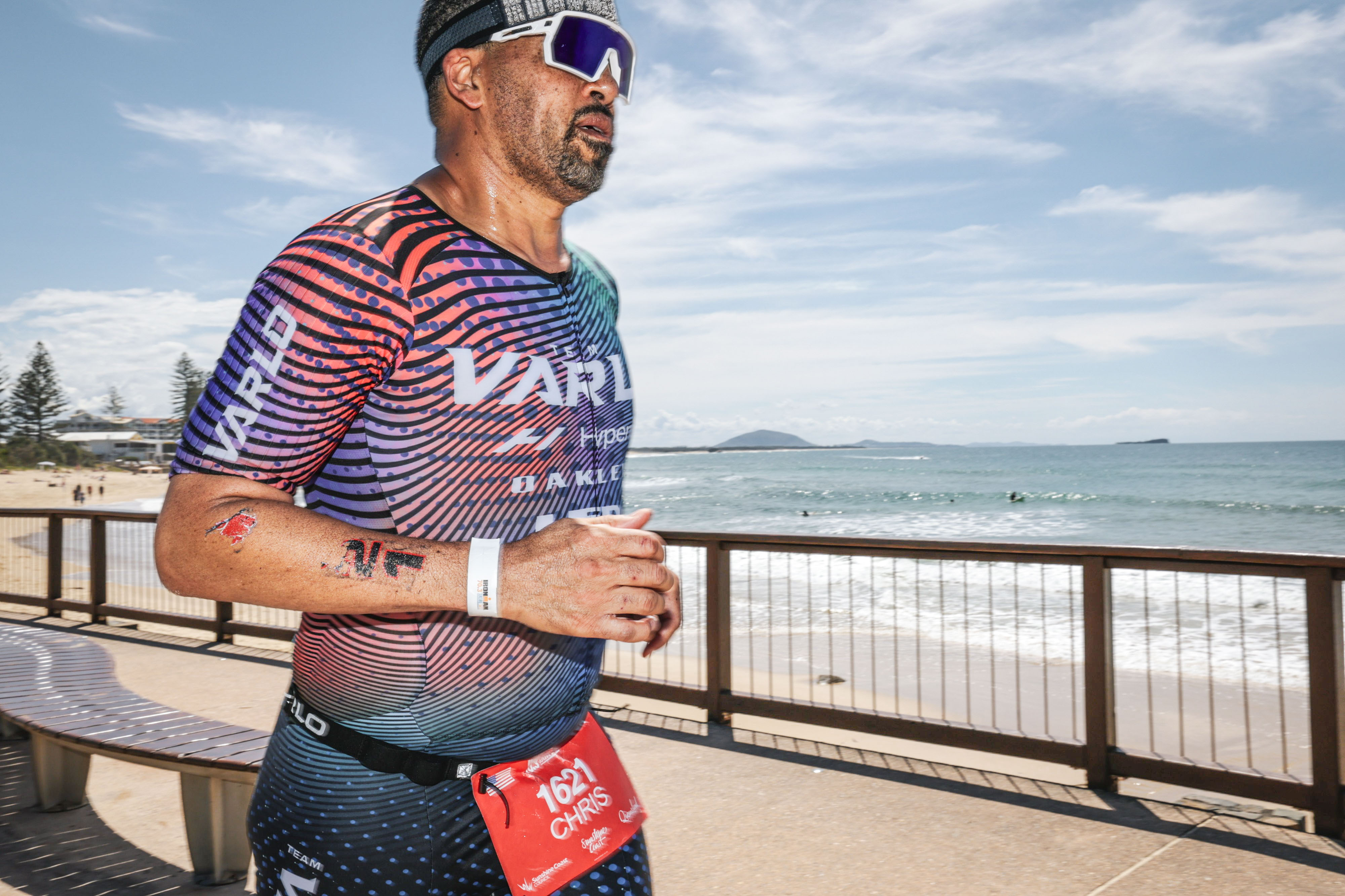
Once Chris implemented a structured hydration plan based on his personal sweat rate, his races improved dramatically.
Instead of falling apart late in the race, he started finishing feeling strong.
He was able to:
-
Maintain energy levels
-
Avoid severe cramping
-
Adjust hydration based on conditions
-
Troubleshoot problems during races
One of the biggest shifts was developing body awareness.
Chris explains:
“Now I can feel when I’m not drinking enough and adjust.”
This ability to adapt on the fly is exactly what successful long course athletes develop over time.
Racing Smart: Choosing the Right Conditions
Another lesson Chris learned the hard way?
Some race conditions simply don’t suit every athlete.
Because of his high sweat rate, extreme heat and humidity are major challenges.
After several difficult races in hot conditions, he adjusted his strategy.
Instead of forcing himself into brutal environments, he began targeting cooler races.
For example:
-
Racing Ironman Sweden
-
Swimming in cold water events
-
Avoiding extreme heat races for now
The result?
Better performances and far more enjoyable race experiences.
Why Trying to Figure It Out Alone Slows You Down
One of Chris’ biggest insights is how long it takes to piece together nutrition information on your own.
You can spend years:
-
Listening to podcasts
-
Reading articles
-
Experimenting with random advice online
But without personalised guidance, it often leads to confusion.
Chris says it best:
“If you want to make progress, don’t waste time chasing random information. Go talk to an expert and learn what works for you.”
When you get guidance tailored to:
-
Your sweat rate
-
Your training load
-
Your race goals
-
Your lifestyle
Everything becomes much easier to execute.
Key Lessons for Age Group Triathletes
Chris’ story highlights several lessons every triathlete should remember.
1. It’s never too late to start
Chris started at 48 years old and has since completed multiple Ironmans.
2. More training isn’t always the answer
If your races keep falling apart, look at:
-
Nutrition
-
Hydration
-
Recovery
3. Supplements are rarely the foundation
Focus on:
-
Daily nutrition
-
Fueling sessions
-
Hydration strategy
Before reaching for expensive products.
4. Personalised strategies matter
Your sweat rate, metabolism and race conditions are unique.
What works for another athlete might not work for you.
Want to Dial In Your Triathlon Nutrition?
If you’re training hard but feel like something is missing, nutrition could be the missing piece.
Download the Triathlon Nutrition Checklist to see how well you’re fuelling your training and racing.
It walks you through 50 steps to triathlon nutrition mastery, helping you identify exactly what to improve so you can finally perform at your best.
Ready to fuel your training properly?
Start with the Triathlon Nutrition Kickstart Course.
The ULTIMATE
Triathlon Nutrition Checklist
Wondering how well you're nailing your nutrition to support triathlon training and racing?
Download my FREE 50 step checklist to triathlon nutrition mastery.
We hate SPAM. We will never sell your information, for any reason.
Author