
Carbs Per Hour for Triathlon: Why More Isn't Always Faster
Jul 10, 2026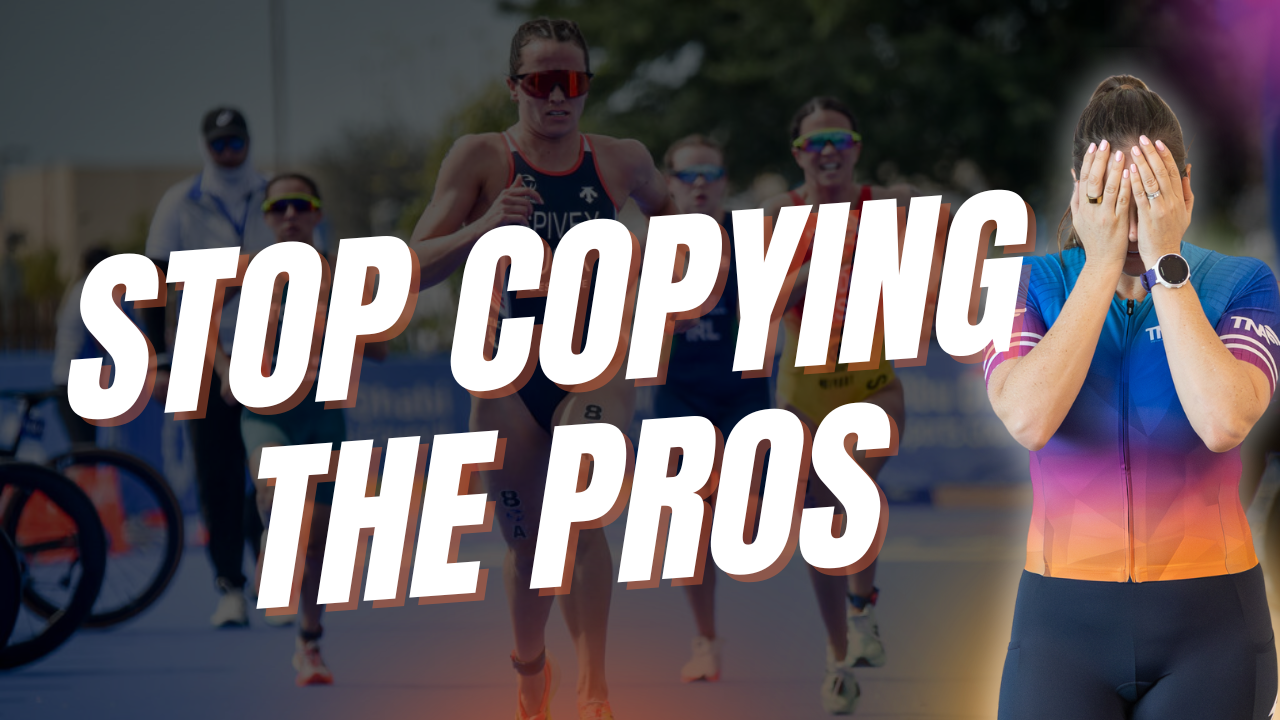
Most triathletes need somewhere between 60 and 90 grams of carbohydrate per hour during a long race, in line with the standard sports nutrition guidelines. Elite athletes who tolerate more than that, up to 120 grams per hour or higher, have built that capacity through months of deliberate gut training, not by simply eating more from race morning. Carbs per hour for triathlon is not a single number you copy from the pros. It is an individual ceiling set by how much carbohydrate your gut can actually absorb and your muscles can actually use, and it is built gradually through training, never chased overnight.
You see the headline: a pro triathlete taking on 200 grams of carbohydrate an hour on the bike in an Ironman. Cycling teams like Ineos Grenadiers fuelling their riders at up to 150 grams an hour on the biggest stages of the Tour de France. And you start wondering if your own fuelling, the 60 or 70 grams an hour you have been managing on your long rides, is actually holding you back.
It is a fair question to ask. High carb fuelling genuinely is one of the biggest performance levers in endurance sport right now, and the science backs that up. But there is a very big difference between what makes a pro's number work and what happens when an age group triathlete tries to copy it without doing the work first. Usually, that difference shows up on the run leg, in the form of cramping, bloating and a sprint to the nearest portaloo instead of a PB.
How Many Carbs Per Hour Do Triathletes Actually Need?
The standard sports nutrition guidelines have sat at 60 to 90 grams of carbohydrate an hour for long, hard endurance efforts for years. That range still holds up as the evidence-based starting point for the vast majority of age group triathletes.
If your race is under 2.5 hours, aim for 30 to 60 grams of carbohydrate an hour. If you are racing longer course events, from 70.3 up to full Ironman distance, the guidelines move up to 60 to 90 grams an hour as your baseline target. A mid-pack age grouper on a long course is not putting out Tour de France stage power, so there is no reason to fuel like someone who is. I covered this in depth in Episode 53, Why Aiming for 120g of Carbs Per Hour Is a Mistake, and the same logic applies just as much to a 200 gram headline as it did to 120.
What Does the Research Say About High Carb Fuelling?
High carb fuelling is not just a trend, there is real research behind it. A study of 26 elite trail runners compared 60, 90 and 120 grams of carbohydrate an hour during a mountain marathon and found that the 120 g/h group showed less neuromuscular fatigue and recovered high intensity run capacity better 24 hours after the race, compared to the 60 and 90 g/h groups (Urdampilleta et al., 2020, Nutrients). That is a genuine performance and recovery advantage from higher carb intake, for athletes who could actually tolerate it.
The catch is in that last sentence. Not absorbing what you eat is not just unhelpful, it can be worse than under-fuelling. Gastrointestinal problems are one of the most common reasons endurance athletes stop for time on course or fail to finish, and pushing carbohydrate intake up faster than your gut can adapt is a well documented driver of that risk. This is why more carbohydrate is a genuine lever, but only once your body can actually use it.
Is There a Limit to How Much Carbohydrate You Can Absorb?
Yes, and the research shows more is not automatically better. A feeding study comparing carbohydrate doses during prolonged cycling found that increasing intake from 90 grams an hour to 112.5 grams an hour did not improve exogenous carbohydrate oxidation or time trial power output (King et al., 2018, Physiological Reports). In other words, the bigger dose did not deliver more usable fuel or a faster result. Beyond your personal absorption ceiling, extra carbohydrate does not get used for energy. It just sits in the gut, undigested, which is exactly where the bloating, cramping and nausea come from.
That ceiling is also wildly individual. Testing across elite endurance athletes has found some oxidising well over 150 grams of carbohydrate an hour, while other equally fit athletes sit closer to 70 to 90 grams an hour. There is no single number that applies to everyone, which is exactly why chasing someone else's headline figure is such a common mistake.
How Do You Find Your Own Carbs Per Hour Number?
Start from your event's real demands, not the headlines. If you are currently fuelling at 40 grams an hour, then your next step in training is 50 to 60 grams an hour, not 120. Small, progressive increases give your gut time to adapt. Your gut behaves like any other trainable tissue: the transporters that carry carbohydrate across the gut wall upregulate when you progressively and consistently train them, the same way your legs adapt to a structured run program.
If you are building toward a hot or hilly race, your number may need to sit lower than it would for a flat, cool course, so treat your carbs per hour target as something you adjust per event rather than a number you set once and forget. And never test a new fuelling strategy on race day. Race day is for proven strategies only, practised and confirmed in training first.
What Does Building a Higher Carb Tolerance Actually Look Like?
One of my Triathlon Nutrition Academy athletes, Lynn, came to me fuelling around 30 to 40 grams of carbohydrate an hour on the bike and swore she would never do another Ironman. We built her up slowly, over months and then years, not weeks. She now sits comfortably at 80 grams an hour, raced a 70.3 with zero gut issues, and landed on the podium. Roughly double her starting number, and exactly right for her body. I go into more detail on how gut training actually works, and what it looks like week to week, in my blog post on setting realistic carbohydrate goals in triathlon (https://www.dietitianapproved.com/blog/carbohydrategoalsintriathlon).
Frequently Asked Questions
Q: How many carbs per hour should a triathlete eat during an Ironman?
A: Most age group triathletes should aim for 60 to 90 grams of carbohydrate per hour on the bike and run legs of a full Ironman, in line with current sports nutrition guidelines. Your actual number depends on your absorption capacity, which is built through gut training, not decided on race morning.
Q: Is eating more than 90 grams of carbs per hour necessary?
A: Only if you have specifically trained your gut to absorb and use that much, and your race duration and intensity genuinely warrant it. Research shows some elite athletes benefit from 120 grams an hour or more, but increasing your intake past what your gut can absorb provides no extra performance benefit and increases the risk of gastrointestinal problems.
Q: Why do I get gut issues when I increase my carb intake?
A: Carbohydrate that is not absorbed sits undigested in your gut, which causes bloating, cramping and nausea. This usually happens when carb intake is increased faster than the gut's transport capacity has adapted, rather than being simply "bad luck" on the day.
Q: How long does it take to train your gut to handle more carbohydrate?
A: Meaningful gut training happens over months, not weeks. Progressive, consistent exposure to slightly higher carbohydrate intake in training allows the gut's carbohydrate transporters to adapt, similar to how muscles adapt to a structured training load
Q: Should I copy a pro triathlete's carb intake, like 200 grams an hour?
A: No. A pro's fuelling number reflects months or years of deliberate gut training specific to their body, not a target for you to copy overnight. Build your own number from your event's real demands and your current tolerance instead.
Chasing the pro's number is not the goal. Finding your number, the one your gut can actually absorb and your body can actually use, is what turns high carb fuelling from a headline into a genuine performance advantage. That work starts in training, long before race day.
If dialling in your race fuelling and training your gut to handle it properly is something you know you need to do, our final Triathlon Nutrition Academy cohort of the year is opening again soon. Register your interest here.
Ready to fuel your training properly?
Start with the Triathlon Nutrition Kickstart Course.
The ULTIMATE
Triathlon Nutrition Checklist
Wondering how well you're nailing your nutrition to support triathlon training and racing?
Download my FREE 50 step checklist to triathlon nutrition mastery.
We hate SPAM. We will never sell your information, for any reason.
Author