
GLP-1s and Endurance Performance: What Athletes Need to Know
Dec 10, 2025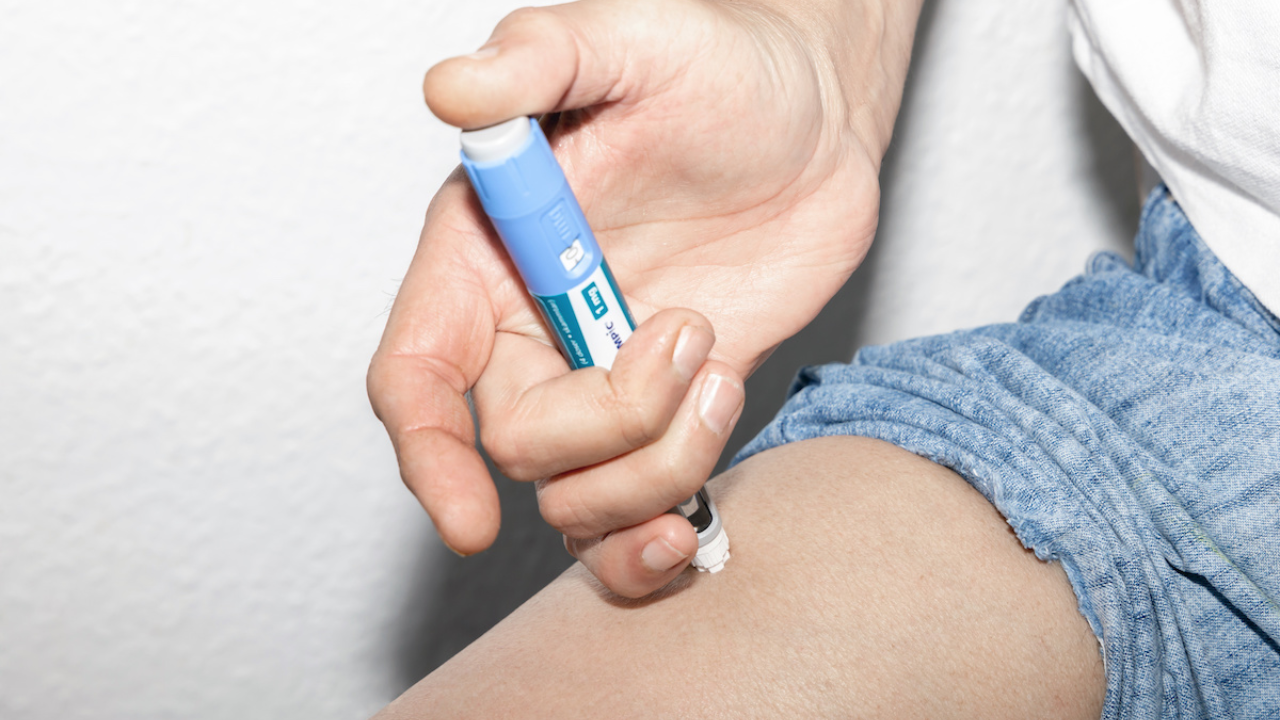
GLP-1 receptor agonists like semaglutide (Ozempic, Wegovy) have quickly gained attention for their dramatic effects on weight loss and appetite control. But what happens when these medications enter the world of endurance sport? For triathletes and other athletes training long hours and pushing performance boundaries, the physiological impact of GLP-1 drugs could carry serious consequences. In this blog, we explore what GLP-1 medications are, how they work, and why their use in endurance athletes deserves careful consideration. Whether you're managing a medical condition or simply curious about emerging trends in performance and body composition, this article unpacks the current science, risks, and takeaways for the triathlon community.
What Are GLP-1 and GLP-1 Receptor Agonist Medications?
Glucagon-like peptide-1 (GLP-1) is a hormone (an incretin) released from the gut after we eat. It helps regulate blood sugar by increasing insulin (when glucose is present) and reducing glucagon, and it also signals the brain to reduce appetite. GLP-1 receptor agonists (GLP-1 RAs) are medications designed to mimic the action of this natural hormone. They bind to GLP-1 receptors in the body, producing effects similar to GLP-1 but in a more sustained manner. In essence, GLP-1 RAs act as incretin mimetics, enhancing the body's insulin response to meals, slowing gastric emptying (so you feel full longer), and directly reducing hunger signals. The end result is improved blood sugar control and often significant weight loss – clinical trials have shown patients losing in the order of 15–20% of body weight on some of these drugs (3).
Types of GLP-1-related medications
The term "GLP-1 receptor agonists" typically refers to a class of injectable (or sometimes oral) drugs originally developed for Type 2 diabetes and now widely used for obesity/weight management. This class includes:
-
Semaglutide (brand names Ozempic® for diabetes, Wegovy® for obesity; also an oral form Rybelsus®),
-
Liraglutide (Victoza® for diabetes, Saxenda® for weight loss),
-
Dulaglutide (Trulicity®),
-
Exenatide (Byetta® short-acting, Bydureon® long-acting),
-
Lixisenatide (Adlyxin®),
-
and newer dual-agonist drugs like Tirzepatide (Mounjaro®), which activates the GLP-1 receptor and the GIP receptor (another incretin hormone)
All of these medications work in a similar physiological manner by leveraging the GLP-1 pathway to improve glycemic control and suppress appetite. In common parlance, they are sometimes just called “GLP-1 drugs” or even referred to by popular brand names (for example, “Ozempic” has become shorthand for all GLP-1 medications in the public eye. The key difference between a GLP-1 agonist and GLP-1 itself is that the drugs are modified to resist quick breakdown, so they last longer in the body than the natural hormone. There are also pills (e.g. DPP-4 inhibitors like sitagliptin/Januvia) that indirectly boost GLP-1 by stopping its degradation, but those are a different class; when we talk about GLP-1 in this context, we usually mean the direct receptor agonist drugs such as those listed above.
GLP-1 Agonists and Athletic Performance: What We Know (and Don't Know)
Research specific to endurance athletes and GLP-1 RAs is extremely limited. These medications were developed for metabolic diseases and have not been clinically tested in healthy, well-trained endurance athletes to see how they affect sport performance. As of December 2025, there are no peer-reviewed trials directly examining whether a GLP-1 agonist helps or harms exercise performance in athletes. Most information comes from experts’ physiological reasoning, indirect evidence (like what happens to patients’ fitness levels on GLP-1 therapy), and some basic science studies.
From a mechanistic standpoint, there is some intriguing science on GLP-1 in exercise. Animal studies suggest GLP-1 may play a role in endurance capacity within muscle tissue. For example, a 2022 study in mice found that exercise itself increases GLP-1 secretion, and experimentally raising GLP-1 levels improved the mice’s endurance. Mice given extra GLP-1 (via gene therapy or a GLP-1 agonist drug) developed more oxidative, fatigue-resistant muscle fibers (more Type I fibers), built up greater muscle glycogen stores, and increased mitochondrial biogenesis – changes that enhanced their endurance performance (1).
These findings suggest that GLP-1 signaling can contribute to the beneficial muscle adaptations of aerobic training (likely through an AMPK pathway in muscle). However, it’s a big leap from a mouse study to recommending GLP-1 drugs for human athletes. The mice in that study had GLP-1 effects targeted to muscle, whereas in humans the medications predominantly act on the pancreas, brain, and gut. We don’t have evidence that giving a healthy human an injectable GLP-1 agonist will directly increase their VO2max or endurance capacity – and in fact, what limited human data we have suggests no performance boost.
One important piece of evidence comes from examining the fitness outcomes of people losing weight on GLP-1 drugs. Normally, if an overweight person loses a substantial amount of weight, we expect to see improvements in their aerobic fitness (relative to body mass) and cardiovascular health. But a recent review of the literature by researchers at the University of Virginia raised a flag: they found that while GLP-1 drug therapy clearly reduces body weight and fat, these benefits “don’t translate into significant improvements in VO2max” or overall cardiorespiratory fitness (2).
In other words, patients on GLP-1 agonists were getting lighter but not markedly fitter in terms of heart/lung capacity. This is in contrast to someone who loses weight via exercise – exercise tends to increase VO2max. The UVA researchers concluded that GLP-1 induced weight loss comes with a cost: a significant portion of the weight lost is lean mass (muscle), and there’s no clear enhancement of fitness to offset that. In fact, they report that about 25–40% of the weight lost on GLP-1 drugs is fat-free mass (muscle and other lean tissue), a much higher fraction than typically seen with diet-and-exercise weight loss. Some patients even subjectively felt they were “losing muscle…while on these medications,” according to the report. For an endurance athlete, losing too much muscle could be detrimental – for example, less leg muscle might mean lower power output on the bike or run. The bottom line: there’s currently no evidence that GLP-1 agonists enhance actual athletic performance in humans, and there are plausible reasons to worry they could hinder performance by reducing muscle and interfering with fuelling (more on that below).
WADA is watching closely
The World Anti-Doping Agency (WADA) added semaglutide (a GLP-1 RA) to its 2024 Monitoring Program. WADA is collecting data on how athletes might be using or abusing GLP-1 drugs, to determine if they confer an unfair advantage and whether they meet the criteria to be banned in competition. Those criteria include: (1) evidence of performance enhancement, (2) a health risk to athletes, and (3) violation of the “spirit of sport”. It’s conceivable GLP-1 RAs could tick the first box indirectly (via weight loss) and the second box (if misused). For now, GLP-1 drugs are not banned in sports, but WADA is watching closely. If an athlete genuinely needs a GLP-1 medication for a medical condition (e.g. Type 2 diabetes), even a future ban would still allow use with a Therapeutic Use Exemption (TUE).
The current evidence does not show any inherent performance-enhancing effect of GLP-1 agonists in healthy athletes – if anything, the drug’s side effects and impact on muscle/fueling could impair performance. The only “benefit” an endurance athlete might get is easier weight loss, which can translate to improved race times for some; but that comes with significant trade-offs. Sports authorities are alert to this trend, and more research will likely emerge in coming years. Until then, experts are generally skeptical that GLP-1 RAs are a good idea for athletes who don’t medically need them.
Risks and Considerations for Endurance Athletes Using GLP-1 RAs
If a triathlete or endurance athlete is on (or planning to take) a GLP-1 receptor agonist medication, there are several key considerations and potential risks to keep in mind. Endurance athletes have unique nutritional and performance demands, and GLP-1 drugs can significantly alter one’s appetite, hydration, and metabolism. Below are the main points an athlete should consider:
- Under-Fuelling
Perhaps the biggest concern is unintentional underfuelling. GLP-1 agonists powerfully suppress appetite and make you feel fuller for longer. In an endurance sport like triathlon, athletes can burn a huge amount of calories in training. An athlete on semaglutide or similar may feel full and have little desire to eat or drink during and outside of training. This may result in a major caloric deficit without the athlete fully realising it. Over time, chronic energy deficiency can lead to fatigue, poor recovery, loss of muscle, hormonal disturbances, low energy availability and impaired performance – a condition akin to RED-S (Relative Energy Deficiency in Sport). Endurance athletes on GLP-1 medications should consciously monitor their calorie intake. It may be necessary to schedule meals or use liquid nutrition to get enough calories, even when not hungry. Working with a sports dietitian and sports physician is highly advised to ensure all nutrient needs are met. Remember that proper nutrition is a cornerstone of performance – inadequate fuelilng can negate any benefits of weight loss. - Dehydration
Along with blunted hunger, many users report a reduced sense of thirst on GLP-1 RAs. The drugs slow gastric emptying, which can make you feel waterlogged or full from fluids quickly. An athlete might not get the normal thirst cues during a long workout or race. Dehydration then becomes a risk, especially in longer events (70.3 or 140.6) or hot conditions. In practice, this means athletes may need to track intake, drink on a schedule and not relying purely on thirst as a guide. Essentially, endurance athletes may need to override their dulled thirst mechanism to avoid performance-limiting dehydration. - Decrease Lean Mass (muscle)
Weight loss from GLP-1 agonists has been shown to include a significant lean mass component. For athletes, losing hard earned muscle mass can be problematic. Rapid weight loss (especially with inadequate protein intake) on these drugs might accelerate muscle protein breakdown. For a triathlete, this could mean a lower FTP on the bike or reduced peak power on the run, even if you’re lighter. To counteract this: maintain a high protein intake and include resistance training in your program. Endurance athletes may need to be even more proactive on this front. Regular body composition checks (e.g., DXA or skinfold measurements) could also be valuable. - Gastrointestinal Side Effects
GLP-1 receptor agonists commonly cause GI side effects – nausea, bloating, reflux/heartburn, constipation, and sometimes vomiting. These side effects tend to be worst in the early weeks of therapy or after dose increases. For an endurance athlete, GI issues are more than an annoyance: they can make long training sessions miserable and complicate race nutrition. Imagine trying to force down a gel at the 80km mark on the bike while your stomach is turning – not ideal. Nausea can also blunt your appetite even further, compounding the under-fuelling issue. Managing these side effects is crucial. Tactics include: adjusting the timing of the injection (some find taking it on a lower-volume training day or after their key workout can help), eating smaller frequent meals rather than large meals, staying upright after eating (to reduce reflux), and working with your healthcare provider on dose titration. If side effects are severe, doctors might prescribe adjuncts (like anti-nausea medication or antacids). In practice, many athletes start on very low doses and increase slowly to help the body adapt. Pay attention to which foods you tolerate well; bland, low-fat, low-fiber foods might sit better around training times if you’re sensitive. And of course, never try a new GLP-1 medication for the first time right before a race or key event – that’s just asking for trouble! - Hypoglycaemia (low blood sugar levels)
GLP-1 RAs are glucose-dependent stimulators of insulin, meaning they shouldn’t cause dangerous hypoglycemia on their own in a healthy person (unlike taking insulin). However, an endurance athlete’s metabolism is a bit special. If you’re doing long, intense workouts, especially in a fasted state or with insufficient fuelling, you could be at risk for low blood sugar (exercise-induced hypoglycemia). Adding a GLP-1 drug could potentially heighten that risk in certain scenarios: the medication will make your pancreas secrete insulin when you do ingest carbs, and simultaneously it suppresses glucagon (the hormone that tells your liver to release glucose). The safeguard is to never neglect fuel intake during endurance exercise, especially on these medications. Always carry fast acting carbohydrqates during training. If you ever experience dizziness, shakes, or confusion (signs of low blood sugar) during exercise on a GLP-1 RA, treat it immediately (consume fast carbs) and consider adjusting your nutrition plan (and speak to your doctor ). Note: If you are an athlete with diabetes on GLP-1 (or especially if combined with insulin or sulfonylurea), work very closely with your doctor, as you’ll need to adjust your other medications and monitor blood glucose to prevent hypos.
Summary
In summary, a triathlete or endurance athlete on a GLP-1 agonist must be very intentional about their nutrition, hydration, and training. The current literature and expert consensus suggest that while these medications can be transformative for clinical populations (diabetics/obese patients), they offer no magic pill for a fit athlete beyond possible weight reduction – and that weight loss can come at the expense of performance-critical factors like decreased muscle mass and inadequate fuelling. An endurance athlete might end up lighter but weaker, which is clearly not the outcome you want. Until more sport-specific research is available, the approach is to use GLP-1 RAs only if medically necessary, and even then, to do so with careful monitoring and support from your medical team. Always prioritise long-term health and sustainable nutrition over any quick fix. And if the goal is purely performance and there’s no medical indication, consider that the same time and effort invested in dialing in training, nutrition, and recovery is likely a far safer path to improvement than relying on a pharmaceutical shortcut. There are no magic pills!
References:
- Wu, L., Zhou, M., Li, T., Dong, N., Yi, L., Zhang, Q., & Mi, M. (2022). GLP-1 regulates exercise endurance and skeletal muscle remodeling via GLP-1R/AMPK pathway. Biochimica et biophysica acta. Molecular cell research, 1869(9), 119300. https://doi.org/10.1016/j.bbamcr.2022.119300
- Barney, J. (2025). “GLP-1 Drugs Fail to Provide Key Weight-Loss Benefit.” UVA School of Medicine News, July 22, 2025. (Summary of research showing no VO2max improvement from GLP-1-induced weight loss, and highlighting muscle loss issues) https://news.med.virginia.edu/featured/glp-1-drugs-fail-to-provide-key-weight-loss-benefit/
- Collins, L., & Costello, R. A. (2024, February 29). Glucagon-like peptide-1 receptor agonists. In StatPearls. StatPearls Publishing. https://www.ncbi.nlm.nih.gov/books/NBK551568/
Ready to fuel your training properly?
Start with the Triathlon Nutrition Kickstart Course.
The ULTIMATE
Triathlon Nutrition Checklist
Wondering how well you're nailing your nutrition to support triathlon training and racing?
Download my FREE 50 step checklist to triathlon nutrition mastery.
We hate SPAM. We will never sell your information, for any reason.
Author