How Light Exposure Affects Energy, Recovery and Health for Athletes
Mar 17, 2026
Are you training hard but still feeling flat?
Most triathletes focus on training, nutrition and sleep to improve energy and recovery. But there’s another factor that almost nobody talks about: light exposure.
For millions of years, humans evolved under natural sunlight. Yet today we spend around 90% of our time indoors, under artificial lighting that looks very different from the environment our biology evolved in.
Emerging research suggests that light exposure may influence mitochondrial function, energy production, recovery and metabolic health. For endurance athletes, that matters.
In this article you’ll learn how light affects your body, why sunlight matters for athletes and simple ways to optimise your daily light environment.
And if you’re curious about how athletes are experimenting with red and infrared light therapy, you can dive deeper in the full breakdown here:
Red Light Therapy for Athletes: What the Science Actually Says
Light Is More Than Just Something That Helps You See
Most people think of light in two ways:
- It helps us see
- It sets our circadian rhythm
Both are true.
But light is also interacting with your body at a cellular level.
Inside every cell are tiny structures called mitochondria. These are responsible for producing ATP, the molecule that fuels everything from muscle contraction to brain function.

In simple terms:
Your mitochondria are responsible for your energy.
And fascinatingly, research shows that mitochondria respond directly to certain wavelengths of light.
That means light exposure may influence:
- Energy production
- Cellular repair
- Inflammation
- Recovery
Which is why scientists are increasingly interested in how our modern light environment might be influencing health and performance.
The Spectrum of Light: What Your Body Actually Uses
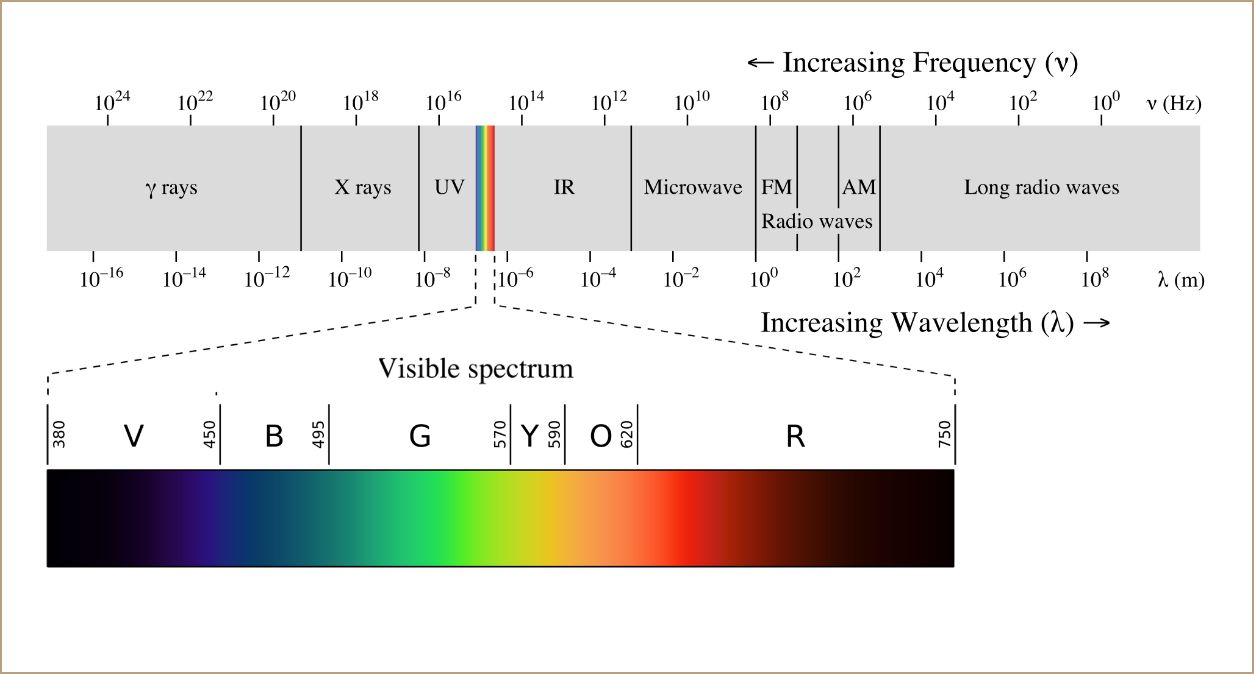
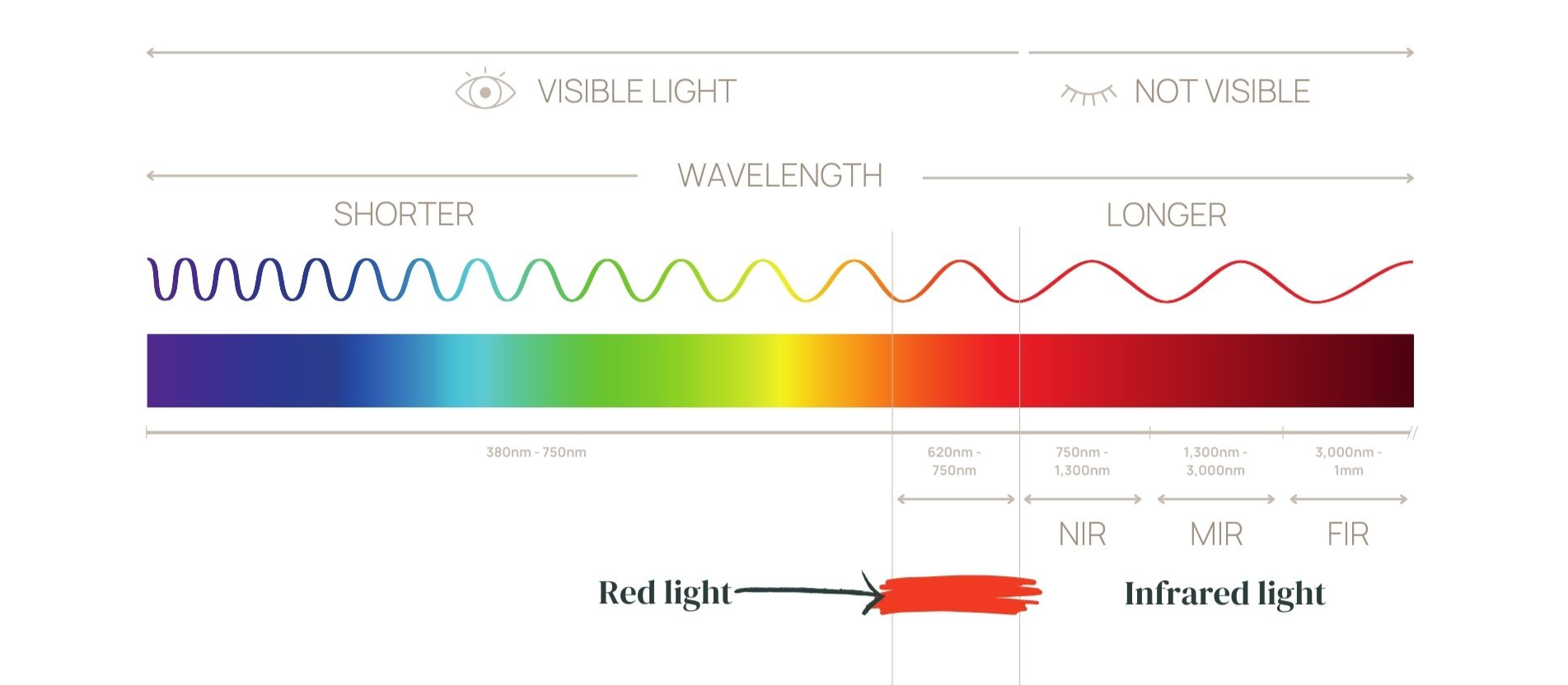
Sunlight contains a massive spectrum of wavelengths.
Humans can only see a small portion of it.
Visible light ranges roughly between 400 and 700 nanometres, but sunlight also contains wavelengths outside this range including:
- Ultraviolet light
- Infrared light
Even though we can’t see these wavelengths, our bodies still respond to them.
For most of human history we lived under broad spectrum sunlight, which contains a balanced mix of all these wavelengths.
But modern lighting environments are very different.
The Modern Lighting Problem
In the early 2000s, lighting technology changed dramatically.
Older incandescent light bulbs produced a spectrum of light similar to sunlight.
Modern LED lighting, however, is designed to produce mostly visible light while minimising other wavelengths.
This makes LEDs incredibly energy efficient.
But it also means our indoor environments now lack much of the light spectrum our bodies evolved with.
At the same time, we’re spending more time indoors than ever before.
For many people a typical day looks like:
- Driving to work
- Sitting under office lighting
- Working on a computer all day
- Driving home
- Sitting under indoor lighting again
That’s a huge shift from the environment humans evolved in.
Why Time Outdoors Feels So Good
Ever noticed how quickly your mood improves when you step outside?
You might feel calmer, clearer and more energised within minutes.
Most people attribute this to:
- Fresh air
- Exercise
- Stress relief
But light exposure may also play a role.
Natural environments like parks, forests and gardens contain plants that reflect different wavelengths of light, which changes the light environment around you.
It’s one reason why even a short walk outside during the day can make a noticeable difference to how you feel.
What This Means for Triathletes
For endurance athletes, mitochondria are everything.
They determine:
- Aerobic energy production
- Fat metabolism
- Endurance capacity
- Recovery speed
Anything that influences mitochondrial function can potentially influence performance and recovery.
This is why there’s growing interest in how light exposure might influence athletic physiology.
Some athletes are now experimenting with red and infrared light therapy as a tool to support recovery and mitochondrial health.
But the research is still evolving, and many athletes are using these devices incorrectly or wasting money on expensive setups.
If you want the full breakdown of what the science actually shows, start here:
→ Red Light Therapy for Athletes: The Science, Protocols and Practical Applications
The Simple Light Habits That Support Health
The good news?
You don’t need expensive devices to improve your light environment.
Often the biggest wins come from very simple daily habits.
1. Get Morning Light Exposure
Morning light is powerful for setting your circadian rhythm.
Aim to get 5–10 minutes of outdoor light soon after waking.
Easy ways to do this include:
- Walking the dog
- Having coffee outside
- An easy morning spin
- A short walk before work
2. Train Outdoors When Possible
Triathletes already have an advantage here.
Swimming, cycling and running outside naturally exposes you to a broader light spectrum than indoor environments.
Whenever possible, prioritise outdoor sessions.
3. Break Up Indoor Workdays
If you work indoors all day, try adding small outdoor breaks.
Even a few minutes outside can help reset your system.
Ideas include:
- Walking meetings
- Outdoor phone calls
- Lunch outside
- Short sunlight breaks between tasks
4. Spend Time in Natural Environments
Parks, beaches, trails and green spaces provide a very different light environment compared with cities and buildings.
Even short visits can improve how you feel mentally and physically.

Where Red Light Therapy Fits In
There’s been an explosion of interest in red and infrared light therapy devices in the health and performance world.
Some of this interest is supported by research.
Some of it is pure marketing.
For athletes, the key question isn’t whether light affects biology.
We know it does.
The real question is how to use it properly without wasting thousands of dollars.
That’s exactly why I created a deep-dive resource specifically for athletes.
Inside the Red Light Therapy for Athletes Masterclass, I break down:
- The science of light and mitochondria
- What research shows about athletic performance
- When athletes may benefit most
- Protocols used in research
- How to avoid expensive gimmicks
If you’re curious about whether red light therapy could help your recovery, start here:
→ Red Light Therapy for Athletes Masterclass
The Takeaway
Light is one of the most overlooked factors influencing human health.
While triathletes tend to focus heavily on training, nutrition and recovery strategies, your daily light exposure may also play a role in how your body functions.
The fundamentals are simple:
- Spend time outdoors daily
- Prioritise natural light exposure
- Break up long periods indoors
- Be cautious with expensive biohacking devices
Sometimes the most powerful performance tool is also the simplest.
Sunlight.
Ready to fuel your training properly?
Start with the Triathlon Nutrition Kickstart Course.
The ULTIMATE
Triathlon Nutrition Checklist
Wondering how well you're nailing your nutrition to support triathlon training and racing?
Download my FREE 50 step checklist to triathlon nutrition mastery.
We hate SPAM. We will never sell your information, for any reason.
Author