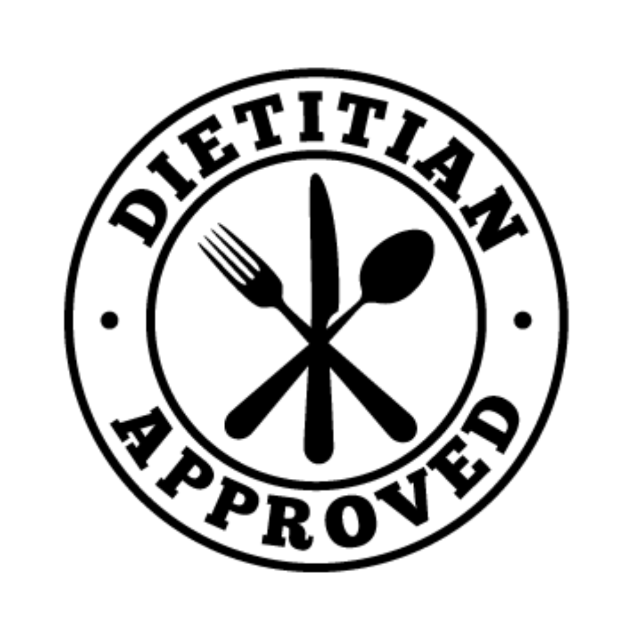
Episode 224 -The Problem With Outsourcing Your Nutrition to AI

Are you trusting an app to tell you what to eat?
In this episode, Taryn dives into the hidden risks of outsourcing your fuelling decisions to AI and nutrition apps. While they might seem convenient and “personalised”, they’re often missing critical context - you. If you’re following a plan but still feel unsure, flat or under-fuelled, this episode is a must-listen.
Here’s what you’ll learn:
- Why AI and apps often fall short for endurance athletes
- How generic plans can make you feel like you’re the problem
- A real case study of an athlete who was significantly under-fuelled by a “perfect” app
- What true nutrition confidence looks like - and how to get there
- The role of education in long-term performance and health
Links:
Check how well you’re doing when it comes to your nutrition with our 50 Step Checklist to Triathlon Nutrition Mastery
Start working on your nutrition now with my Triathlon Nutrition Kickstart course
It’s for you if you’re a triathlete and you feel like you’ve got your training under control and you’re ready to layer in your nutrition. It's your warmup on the path to becoming a SUPERCHARGED triathlete – woohoo!
Connect with me:
To learn more about the Triathlon Nutrition Academy, head HERE | dietitianapproved.com/academy
See behind-the-scenes action on Instagram: @dietitian.approved
Follow along on Facebook: @DietitianApproved
Join our FREE Dietitian Approved Crew Facebook group
Enjoying the podcast?
Let me know what you loved about it and what you learnt by tagging me @dietitian.approved on Instagram!
Subscribe & Review in Apple Podcast!
Are you subscribed to the podcast?
If not, today's the day! I'm sharing practical, evidence-based nutrition advice to help you nail your nutrition and I don't want you to miss an episode. Click here to subscribe to iTunes!
Now if you’re feeling extra warm and fuzzy, I would be so grateful if you left me a review over on iTunes, too. Those reviews help other people find my podcast and quality nutrition advice. Plus they add a little sparkle to my day.
CLICK HERE to review, select “Ratings and Reviews” and “Write a Review” and let me know what your favourite part of the podcast is.
You're awesome! Thank you!
Episode Transcription
Episode 224: The Problem With Outsourcing Your Nutrition to AI
Welcome to the Triathlon Nutrition Academy podcast. The show designed to serve you up evidence-based sports nutrition advice from the experts. Hi, I'm your host Taryn, Accredited Practicing Dietitian, Advanced Sports Dietitian and founder of Dietitian Approved. Listen as I break down the latest evidence to give you practical, easy-to-digest strategies to train hard, recover faster and perform at your best. You have so much potential, and I want to help you unlock that with the power of nutrition. Let's get into it.
[00:00:00] Taryn: If you're a triathlete who likes things done properly, then this episode might make you feel a little uncomfortable, and that's not a bad thing. Because right now a lot of triathletes are using ai, things like chat, GPT or nutrition apps to tell them what to eat, and I totally get why it's fast. It looks personalized, it looks like it should be right. And it promises to take all of that guesswork out of your nutrition. But a question that I want you to sit with is, are you actually confident that what it's telling you to do is actually right for you? Not 50% confident, not even 80% confident, but a hundred percent confident that your nutrition is supporting your training, not quietly working against you.
[00:00:47] Because what I see all the time is apps and AI will get you some of the way there. Maybe halfway, maybe 60% of the way, maybe even 80% of the way if you're lucky. But to be honest, triathletes aren't 80% people. You don't train for three sports, invest hours every week, and chase performance metrics on the daily just to sit in this gray zone, wondering if your nutrition is actually good enough with what you're doing.
[00:01:18] And this is where I see things just fall apart.
[00:01:21] AI and apps that tell you what to eat, don't know how you slept last night. Don't know how heavy your legs are feeling on your long runs at the moment. They don't know how sore you are after training. They don't know how stressed you are at work or how cooked you are mentally. They don't know if you're running on five hours of broken sleep, juggling family life or dealing with work drama.
[00:01:47] And really importantly, they don't know anything about your relationship with food your hunger signals, your cues, and how you actually feel when you are [00:02:00] following its advice.
[00:02:01] And it definitely doesn't know when you are edging towards under fueling.
[00:02:07] So if you don't have the education to recognize when something isn't actually right, you are still just guessing, just probably with a nicer interface because your nutrition has to work in real life, not on paper, not on your phone. So in this episode I wanna talk about how AI and nutrition apps can actually be useful where they commonly fall short for endurance athletes.
[00:02:36] And why confidence doesn't come from being told what to eat and when it comes from actually understanding what you need and why.
[00:02:49] I'm also gonna share a real example from one of my long-term athletes who trial and nutrition platform that looked really sexy on the surface. But it [00:03:00] was significantly under fueling him. And the only reason he knew something was off was because he had the education behind him to recognize that it was off.if you are currently using AI to be your nutrition, no judgment here, or an app that tells you what to eat and when. Or generic plans from the internet and you're still quietly unsure whether your nutrition is truly right for you, then this episode is for you because being told what to eat is not the same as knowing and understanding why.
[00:03:34] You need the confidence to know that things are working when they are. Definitely need to know when they're not working.
[00:03:40] And know how to adjust without second guessing yourself. Let's get into it.
[00:03:47] Taryn: Now, before we get into this episode, I do wanna be really clear about something. Triathletes aren't using AI or nutrition apps because you are lazy or you're clueless.
[00:03:58] Triathletes are using them because they're busy, they're time poor. We bloody love technology and are generally early adopters, and you are trying to do things right. All the triathletes that I work with are high performers in life, as well as in our sport. They've got full-time jobs, families to wrangle, training plans to follow, races to prep for, and very little time and brain space left over.
[00:04:25] So, of course, something that promises fast answers and ready-made plans is appealing. A lot of triathletes use tools like Chatt, PT, or nutrition apps because they want something quick and easy that saves them time. They want structure without having to overthink everything that they put into their mouth.
[00:04:44] They want macro targets or meal plans laid out for them. Just like your training program. Tell me what to do and I will do it. I completely understand that, and that is one of the reasons why I love working with triathletes, because you listen when I tell you to do something. A lot of my Triathlon Nutrition Academy athletes are leveraging the power of AI to make their life easier.
[00:05:05] In fact, I've actually built some AI tools to help making eating for three sports so much easier for them. But where things start to unravel is when those generic or algorithmic answers. Need to be applied to a very non-generic human, N equal one. You are the sole subject in your experiment of life, and your nutrition should be personalized to you.
[00:05:31] So if you wanna understand what I mean by that, go back to episodes and listen to my episode on any calls. One, because this is where I see a lot of triathletes just get stuck.
[00:05:41] They get a plan or a set of numbers, but they don't actually know how to translate that into their real week of training, of work, of poor sleep, of stress, of travel, of sickness, whatever it is. And when something doesn't work, when your energy levels drop, gut issues pop up. Training starts to feel harder than it should.
[00:06:03] They don't know what to adjust to get out of that hole. They're left thinking, is this me? Am I just not disciplined enough? And is this just what training as a triathlete is meant to feel like this is the danger zone?
[00:06:19] Because at this point, the tool hasn't failed them. The lack of understanding around it has,
[00:06:26] Let me give you a real example of how this can play out in practice. One of my long term triathletes who is very experienced, very motivated and very invested in doing things properly, trialed and AI driven nutrition platform that
[00:06:44] Told him exactly what to eat day to day. On the surface, it looked awesome. The numbers looked sensible, the meals looked balanced. It looked polished. It looked professional, and it felt very reassuring.
[00:06:59] But very quickly he started to notice that things just didn't feel right. His energy levels weren't there. Training felt heavier than it should have. Recovery wasn't lining up to the work that he was doing, and here is my key point.
[00:07:17] The only reason he recognised something was off
[00:07:20] was because he had the education to identify it.
[00:07:24] He knew what under fuelling felt like he knew what warning signs to pay attention to. And he knew that the way he was feeling wasn't just part of being a triathlete because he has experienced what proper fuelling feels like for his body. And so when we looked at it together, it was really clear that despite how good it looked on paper or on the phone.
[00:07:48] He was being significantly under fuelled for the training load that he was actually doing.
[00:07:53] If he hadn't had that foundational knowledge and access to me to run it past a real human, he would've assumed that that platform that he was trialing was right and that he body was the problem. He would've pushed through it like we all do. he would've normalised just feeling flat and he would've accepted that just as the cost of training as a triathlete. And that's the part that really does concern me because this is exactly how athletes end up stuck. Thinking that they're doing everything right while their performance, their recovery and or their health is slowly declining.
[00:08:31] And I just wanna zoom out on that for a second because this just isn't one athlete example or one platform example. This is actually a real issue. Being told what to eat is not the same. As knowing how to fuel yourself properly and why particular strategies are important and when to leverage them, an app and AI can tell you exactly what's on today's meal plan.
[00:09:01] AI can spit out macros, calories, a race plan, food ideas, whatever you ask it to. It will provide an answer, but neither of them teach you how to interpret that answer, whether it's correct or not for you, and what your body is telling you as a result of implementing that strategy. They aren't gonna teach you how to adjust. When your training volume ramps up, your sessions get harder or feel harder. Your sleep takes a hit. Life stress creeps in your appetite, changes your mentally struggling or your body, depending on what phase of life you're in, just starts responding differently to training and nutrition.
[00:09:41] And that is the gap in these things that I'm seeing just over and over and over and over. technology, still can't replace a brain that critically thinks yet. So triathlon end up outsourcing their thinking. It's making us more dumb. They follow instructions.
[00:10:00] They don't build understanding.
[00:10:02] They comply with the plan 'cause they're really bloody, are good at that, but they don't gain confidence. And when something changes or a gets thrown in the work as it always does,
[00:10:12] They feel lost and dunno what to do about it, and potentially just throw it all out because it's all too hard. Because without that education and knowledge, you don't know which dial to turn. You don't know if you need more carbohydrate, better timing, more total fuel, or simply better recovery habits. You dunno what is a normal training response and what's a red flag and you dunno whether to trust the tool or trust your body. And so instead of adjusting triathletes, just push harder. We tighten things up. that we just need to be more disciplined and that my friend is how poor nutrition.
[00:10:55] Quietly becomes normalised, not because it's the right strategy, but because no one ever showed them how to do it properly for your body, your physiology, your lifestyle, to look for when things are going well or maybe not so well. And this is where education changes everything
[00:11:18] because when you are educated, you are not blindly following instructions. You understand how to adapt when training or life changes, and you start to understand what enough actually looks like for you. How different sessions need to be fuelled differently. How recovery should feel when your nutrition is doing its job and what early signs you need to look for before things completely derail.
[00:11:48] And I think this is where having a real human involved matters. One of my athletes, Katie summed this up perfectly in a recent Power Hour. She said, "it's so good having you on tap Taryn", and that is not because I tell her what to eat every second of every day. It's because she can ask questions, she can sanity check decisions. She can say, this doesn't feel right. This feels a bit weird. This feels off. Can we talk it through? I'm thinking about adding in a strength session here. How do I adjust my nutrition on that day to best support it? And that kind of individualised support is where the nuances live.
[00:12:30] Because nutrition is not static. Training blocks change. Life happens, stress fluctuates. Sleep sometimes just goes out the window, and when that happens, you don't need another algorithm. You need some context. You need understanding about you and your life. You need someone who can help interpret what's actually going on and provide direction to adjust accordingly. That's the difference between just following a plan and building a plan that is specific to you so you actually know what you're doing.
[00:13:05] And this is really the whole point that I wanted to land with this episode. AI and apps can be absolutely useful tools. I am not arguing against that at all. As somebody that uses them personally used well, they can save time, they can reduce admin by a truckload and make execution on ideas so much easier.
[00:13:27] But tools only work properly when the person using them knows what they're looking for, and education is what takes you from 80% to a hundred percent.
[00:13:37] It is what gives you the confidence to know when something is working and when it's not. It's what allows you to question an output instead of blindly trusting it, which is so important in this era. It's what lets you adapt it to training, to life, to your body changes your physiology. And that is exactly why the Triathlon Nutrition Academy exists. It is not a meal plan, it is not a set of rigid rules, and it's definitely not being told what to eat every minute of every day for the rest of your life.
[00:14:14] It's about giving you the knowledge and frameworks to fuel yourself properly for three sports, so you are no longer guessing, second guessing, and outsourcing your thinking to a robot. You'll learn exactly how to fuel different types of training sessions, adjust your intake as your training load changes.
[00:14:34] Recognise early signs of under fuelling and or over fuelling and make decisions that work for you in your real life. And once you have that foundation, tools like AI or apps can become super helpful
[00:14:50] because you know how to sense check them. You know when something's off or something's not right, you know what to tweak, and you're not relying on an algorithm to understand your body better than you do.
[00:15:02] So if you're listening to this and you're thinking, I'm doing a lot right, or I think I'm doing it right.
[00:15:08] But I'm not a hundred percent confident that my nutrition is truly dialled in. Then that is a gap. And that gap isn't filled by AI or an app. It's filled with knowledge and it's filled with education because nutrition has to work in real life, not on paper and not on your phone.
[00:15:27] Here's where I wanna leave you.
[00:15:29] If you're relying on AI apps or generic plans to tell you what to eat and you don't have the confidence and the knowledge to question them, to adjust them or override them when they're wrong, then you are still not actually in control of your nutrition.
[00:15:44] You are just following another plan and some instructions and hoping for the best. And for a sport as demanding as triathlon, that is not good enough.
[00:15:57] High performance mindset triathletes don't leave things like that to chance. They don't train blindly. They don't accept, it's probably okay, or it probably works as a strategy. They invest in understanding exactly what's going on and how to optimise performance. If you are serious about your training and your performance and your long-term health, then getting to 100% confidence in your nutrition is not optional. It is part of the job,
[00:16:29] and that's exactly what the Triathlon Nutrition Academy is designed to do. It's where you stop outsourcing your thinking to ai. It's where you stop second guessing every decision, It's where you learn how to fuel yourself properly for three sports in real life, with real training and real constraints.
[00:16:49] So if this episode has hit a little bit of a nerve for you and you are wondering whether your nutrition is actually right, then it's time to do something about it. Head to dietitianapproved.com/academy and register your interest in our upcoming cohort of the TNA program.
[00:17:06] Do not wait for another training block, another season to go by. Hoping things are just magically gonna click for you. Get yourself educated. Get 100% confident and fuel properly like an athlete who actually knows what they're doing with nutrition. I'll see you on the inside.
Thanks for joining me for this episode of the Triathlon Nutrition Academy podcast. I would love to hear from you. If you have any questions or want to share with me what you've learned, email me at [email protected]. You can also spread the word by leaving me a review and taking a screenshot of you listening to the show. Don't forget to tag me on social media, @dietitian.approved, so I can give you a shout out, too. If you want to learn more about what we do, head to dietitianapproved.com. And if you want to learn more about the Triathlon Nutrition Academy program, head to dietitianapproved.com/academy. Thanks for joining me and I look forward to helping you smashed in the fourth leg - nutrition!