
GLP-1 Drugs and Triathlon Performance: What Ozempic Really Does to Athletes
May 15, 2026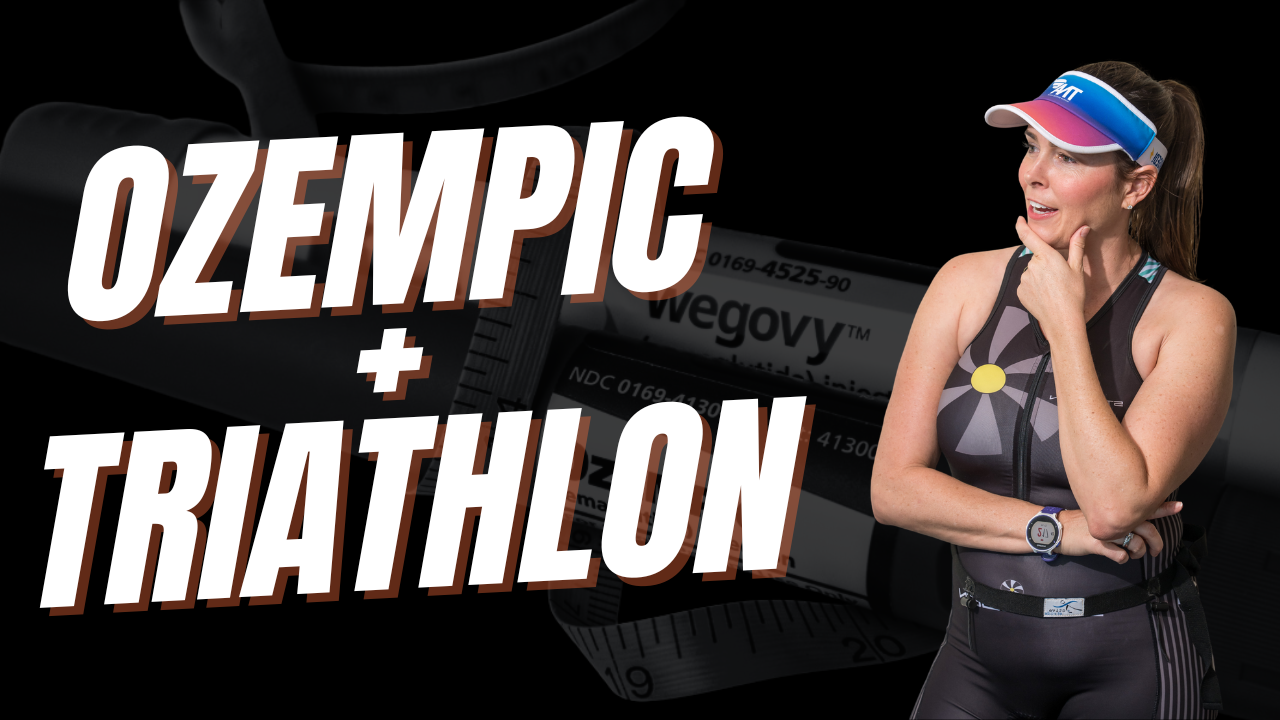
GLP-1 medications like semaglutide (Ozempic, Wegovy) can significantly affect triathlon performance by suppressing appetite, slowing gastric emptying and increasing the risk of muscle loss and chronic under-fuelling. For triathletes training 10 to 20 hours per week, these drugs can compromise carbohydrate absorption during racing, blunt thirst cues and increase the likelihood of RED-S if nutrition is not carefully managed. As an Advanced Sports Dietitian working specifically with endurance athletes, these are the biggest concerns I see emerging inside the triathlon community.
Introduction
You’ve probably noticed it already.
Somebody in your training squad suddenly drops a noticeable amount of weight in a short period of time. They look leaner climbing hills. Their run splits improve for a while. Then the whispers start. Is it a new coach? A new diet? Or Ozempic?
GLP-1 medications are now firmly inside endurance sport conversations. Not loudly. Quietly. In squad chats, online forums and post-race café conversations where people are trying to figure out whether these drugs are a shortcut, a medical tool or a performance risk.
The problem is most of the information online is aimed at the general population, not somebody trying to swim, ride and run for hours every week. The physiology changes when you add training load into the equation.
What Are GLP-1 Drugs and Why Are Athletes Using Them?
GLP-1 stands for glucagon-like peptide-1, a hormone naturally released in the gut after eating. It stimulates insulin release, slows gastric emptying and signals fullness to the brain.
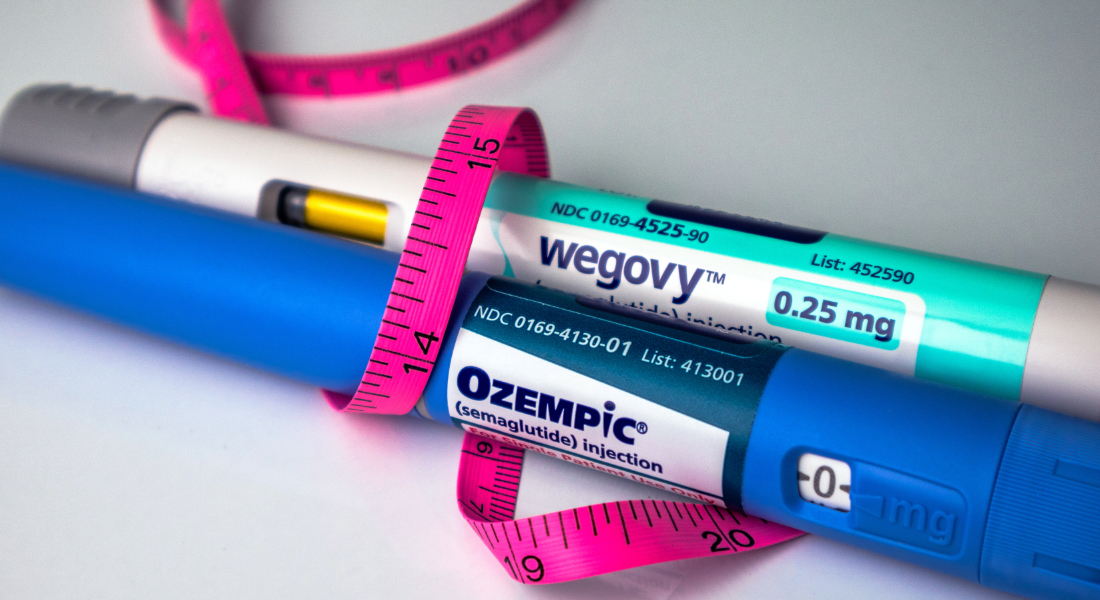
GLP-1 receptor agonist medications like Ozempic, Wegovy and Mounjaro amplify that signal in a much stronger and longer-lasting way.
The result?
You feel less hungry. You eat less. Weight drops rapidly.
Clinical trials have shown body weight reductions of 15 to 20% in some participants, which explains why these medications have exploded in popularity beyond diabetes treatment (Wilding et al., 2021, New England Journal of Medicine).
For some athletes with obesity or metabolic disease, that can absolutely improve health markers. But the conversation changes when you’re training for triathlon.
Because triathlon performance is not just about body weight.
It is about power output, muscle preservation, recovery capacity and your ability to absorb fuel under stress.
Why Muscle Loss Is the Biggest Risk for Triathletes
This is the part most endurance athletes underestimate.
In the STEP semaglutide trials, approximately 26 to 40% of total weight lost came from lean tissue rather than body fat alone.
If you lose 10kg, that could mean losing up to 4kg of muscle mass.
For a triathlete, muscle is not optional.
It drives:
- Power on the bike
- Run economy
- Durability late in races
- Recovery between sessions
- Injury resilience as you age
And the risk increases further if you already under-eat protein or skip strength training, which many endurance athletes still do.
A 2025 case series discussed in the episode found athletes who combined GLP-1 medications with resistance training three to five times per week and prioritised protein intake were able to preserve or even increase lean tissue while losing fat mass.
That matters enormously.
If You’re Taking a GLP-1 Medication, Then Protein Intake Becomes Non-Negotiable
If appetite suppression reduces your total food intake, protein is the first nutrient you need to actively protect.
For most endurance athletes, I would aim for:
- 1.6 to 2.2g protein per kilogram body weight daily
- Protein distributed evenly across 4 to 5 eating opportunities
- Resistance training at least 2 to 3 times weekly minimum
If you are older, in a calorie deficit or training heavily, then you likely sit toward the upper end of that range (Morton et al., 2018, British Journal of Sports Medicine).
I covered this in more detail in Episode 199 - Plant vs Animal Protein
How GLP-1 Drugs Affect Gut Function During Training and Racing
This is where things get particularly messy for long-course triathletes.
One of the primary mechanisms of GLP-1 drugs is delayed gastric emptying. Food stays in the stomach longer to prolong fullness.
That works well for weight loss.
It works terribly when you are trying to absorb 90g of carbohydrate per hour during an Ironman bike leg.
Exercise already slows gastric motility through physiological stress pathways including IL-6 release from working muscles. Add a medication that further slows digestion and you create the perfect storm for:
- Bloating
- Nausea
- Sloshing stomach
- Vomiting
- Inability to absorb carbohydrates quickly enough

If Your Gut Is Slower, Then Your Fuelling Strategy Must Change
If you are using a GLP-1 medication while training:
- Practise race nutrition more frequently
- Use smaller, more frequent carbohydrate doses
- Avoid suddenly increasing carb targets
- Trial lower fibre pre-training meals
- Start fuelling earlier in sessions before fatigue compounds gut stress
And importantly, stop relying on “feeling hungry” as your cue to eat.
That cue is chemically suppressed.
Why GLP-1 Medications Increase the Risk of RED-S
This is the issue that concerns me most.
RED-S or Relative Energy Deficiency in Sport already affects a huge number of endurance athletes, particularly age-group triathletes balancing training, work and family stress.
GLP-1 drugs can quietly magnify the problem because they suppress appetite so effectively.
You may think:
“I’m not hungry, so I must be eating enough.”
Meanwhile your body is:
- Breaking down muscle tissue
- Suppressing hormone production
- Increasing injury risk
- Reducing recovery capacity
- Compromising immune function
The IOC’s updated RED-S consensus statement reinforced that low energy availability exists on a spectrum, not as an all-or-none condition (Mountjoy et al., 2023, British Journal of Sports Medicine).
If You Train More Than 10 Hours Weekly, Then Appetite Alone Is Not Reliable
This is especially true on GLP-1 medications.
If you:
- Train twice daily
- Sweat heavily
- Are preparing for long-course racing
- Frequently finish sessions depleted
- Notice worsening recovery or recurring illness
Then you need objective fuelling structure, not guesswork.
This is exactly why I built the Triathlon Nutrition Kickstart Course because most athletes massively underestimate their daily fuelling requirements.
Why Hydration Becomes Harder on GLP-1 Drugs
Many athletes on GLP-1 medications also report reduced thirst sensation.
That becomes dangerous in:
- Hot conditions
- Long rides
- Indoor training
- Heavy sweaters
- Ironman racing
If thirst cues are blunted, then hydration strategies need more structure.
If You’re On a GLP-1, Then Drink to a Schedule Not a Feeling
For long sessions:
- Set hydration reminders every 15 to 20 minutes
- Track bottle intake objectively
- Monitor body mass losses in training
- Include sodium appropriately during long sessions
Because once dehydration compounds delayed gastric emptying, gut tolerance often deteriorates even further.
Which Foods Matter Most When Appetite Is Low?
When your total intake drops, nutrient density matters far more.
You simply cannot afford to waste limited appetite capacity on low-value foods.
The best high-micronutrient options discussed in the podcast included:
- Spinach
- Kale
- Silverbeet
- Broccoli
- Bok choy
- Berries
- Lentils
- Chickpeas
- Avocado
- Red capsicum
These foods provide iron, folate, magnesium, antioxidants, potassium and fibre in relatively small volumes.
Meanwhile, very high-water foods like iceberg lettuce or cucumber are fine occasionally, but probably shouldn’t dominate meals if appetite is already suppressed.
Are GLP-1 Drugs Legal in Triathlon?
Currently yes.
GLP-1 medications including semaglutide and tirzepatide are not banned by World Anti-Doping Agency.
However, WADA expanded monitoring of semaglutide and tirzepatide in 2026, both in and out of competition.
That does not mean they are prohibited now.
But it does mean endurance athletes should pay attention, particularly if competing under anti-doping regulations.
I also unpacked athlete supplementation and anti-doping risk in Episode 238 - Stop Optimising the 5% You Haven't Earned Yet
FAQ
Q: Can Ozempic improve triathlon performance through weight loss?
A: Short-term weight loss may temporarily improve climbing or running economy, but rapid loss of lean mass, chronic under-fuelling and impaired recovery can ultimately reduce long-term performance. The goal is not simply being lighter. It is maintaining power, durability and health while training consistently.
Q: How much muscle can you lose on GLP-1 medications?
A: Clinical trials suggest approximately 26 to 40% of total weight lost may come from lean tissue if nutrition and strength training are not managed properly. Resistance training and protein intake significantly reduce this risk.
Q: Why do GLP-1 drugs cause gut issues during endurance racing?
A: These medications slow gastric emptying, meaning carbohydrates and fluids stay in the stomach longer. During exercise, digestion already slows naturally, which increases the likelihood of nausea, bloating and poor carbohydrate absorption.
Q: Should triathletes fuel differently while taking Ozempic or Wegovy?
A: Yes. Athletes often need more structured fuelling plans with smaller, more frequent carbohydrate doses and scheduled hydration because hunger and thirst cues become less reliable.
Q: Can GLP-1 medications increase the risk of RED-S?
A: Absolutely. Appetite suppression can unintentionally create very large energy deficits, particularly in athletes training more than 10 hours weekly. Over time this increases the risk of hormonal disruption, stress fractures, illness and poor recovery.
Conclusion
GLP-1 medications are changing the landscape of endurance sport whether we like it or not.
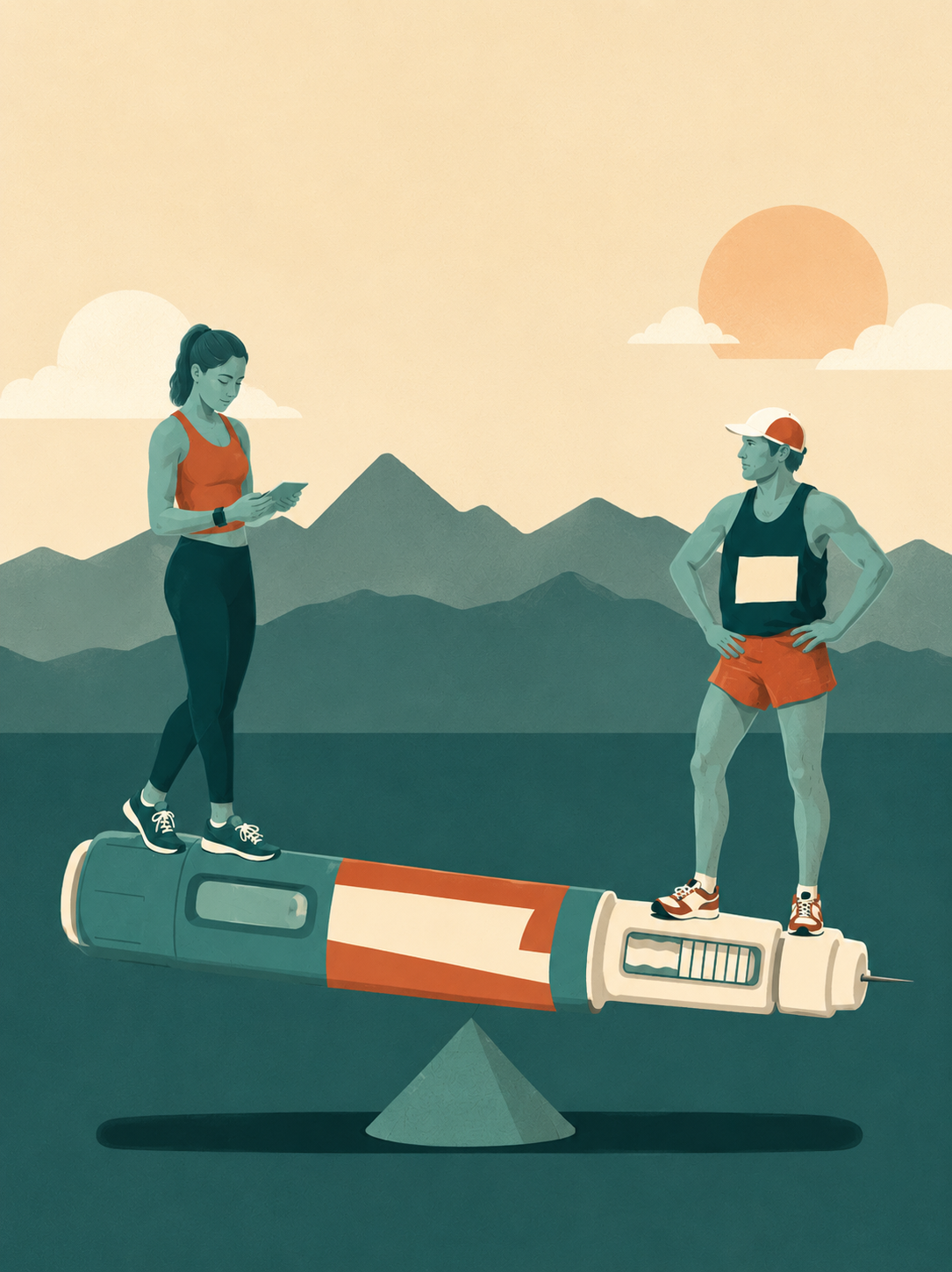
For some people, they may play an important medical role. But for triathletes, the conversation cannot stop at body weight alone. You need to think about muscle retention, fuelling capacity, recovery and long-term performance sustainability.
Because lighter is not automatically faster if you can’t absorb fuel, recover properly or stay healthy enough to train consistently.
If your daily nutrition foundations are shaky or you’re trying to navigate training while on a GLP-1 medication, get proper support early before small issues become major performance problems.
Ready to fuel your training properly?
Start with the Triathlon Nutrition Kickstart Course.
The ULTIMATE
Triathlon Nutrition Checklist
Wondering how well you're nailing your nutrition to support triathlon training and racing?
Download my FREE 50 step checklist to triathlon nutrition mastery.
We hate SPAM. We will never sell your information, for any reason.
Author