
How Elite Triathlete Emma Jeffcoat Recovered Twice as Fast - And What Age-Groupers Can Learn From It
May 08, 2026
If you have ever sat on the couch post-injury watching your fitness evaporate while your training plan taunts you from the fridge, this one is for you.
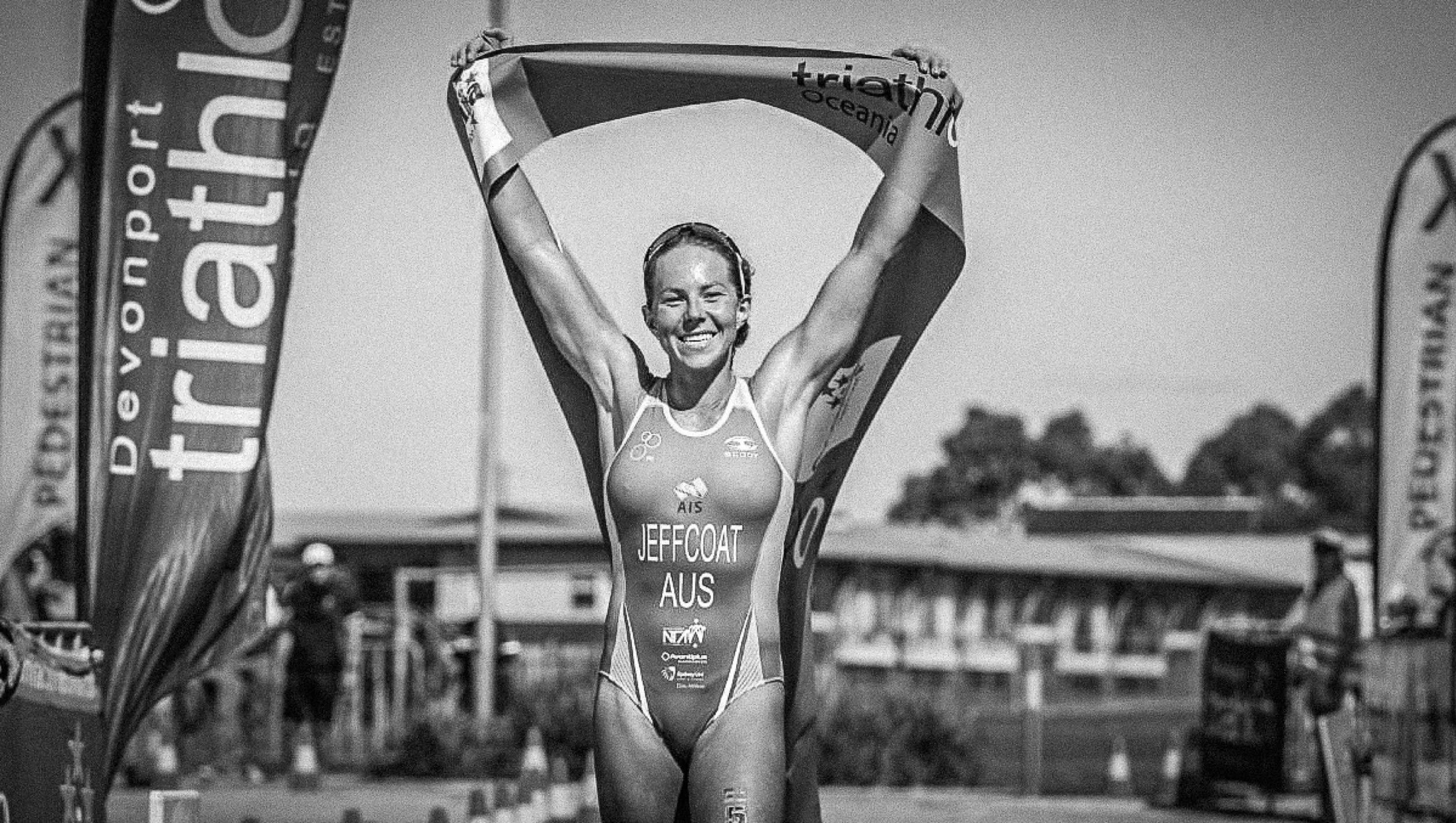
Australian elite triathlete Emma Jeffcoat ruptured her posterior tibialis tendon and spring ligament complex just before Australia Day, requiring a full ankle reconstruction. Her surgeon told her to expect six to twelve months of recovery and at least eight weeks fully non-weight-bearing on crutches. By week four, she was walking. By week six, she was swimming 6km sets and pushing above-threshold power on the bike.
Her surgeon's words? "I don't know how you've done it, but this is miles ahead."
Emma joined Taryn on the Triathlon Nutrition Academy Podcast (Episode 239) to break down exactly what she did. The honest answer might surprise you. It was not magic. It was not expensive gadgets. It was a deliberate, systematic approach that started with the foundations first.
In this blog we cover:
- The four pillars of Emma's accelerated recovery
- Why nutrition is the non-negotiable foundation, not the afterthought
- The mindset shift that changes everything when injury hits
- Her honest journey from RED-S and disordered eating to World Champion
- What age-group triathletes can apply right now
The Four Pillars of Elite Injury Recovery
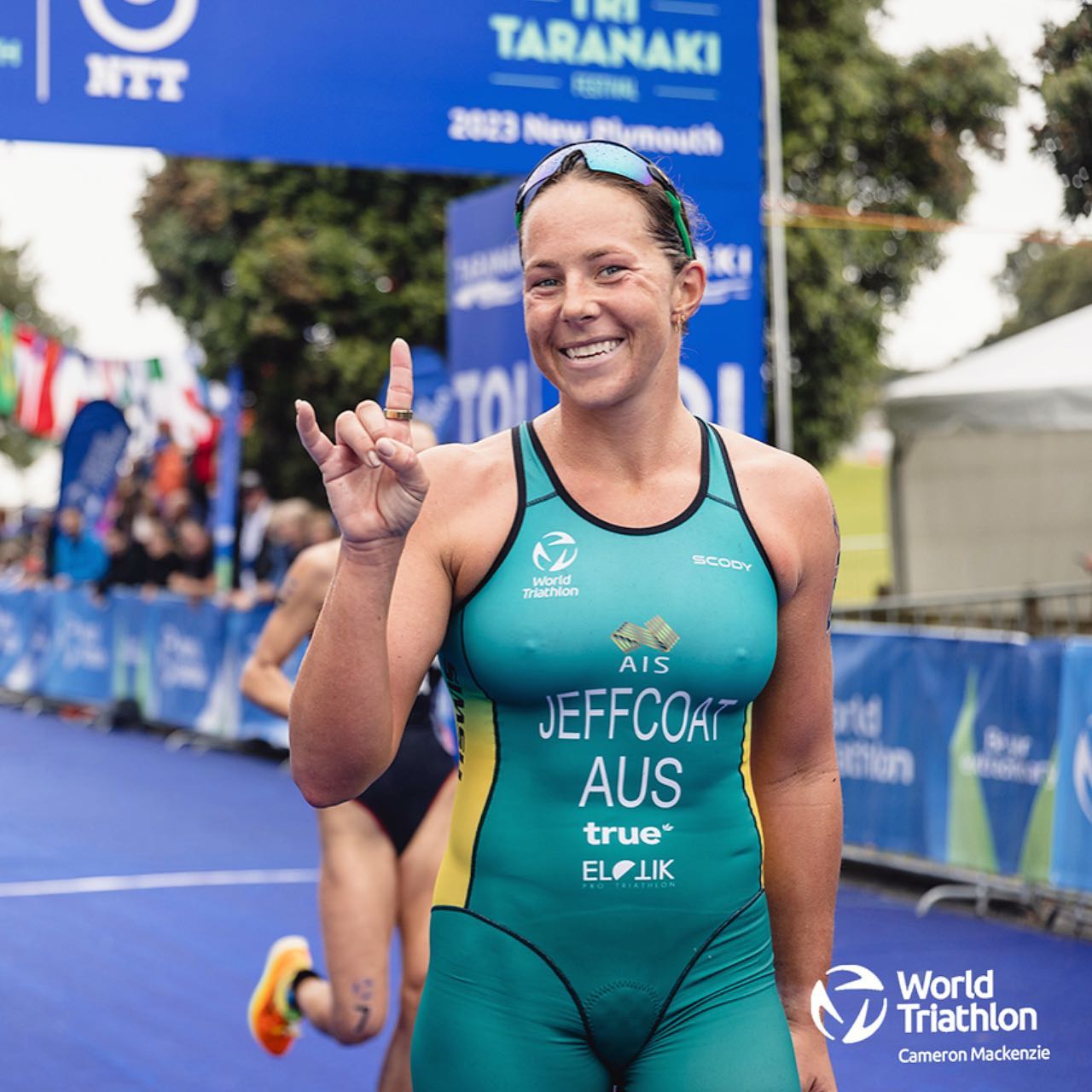
Emma's surgeon was so impressed he started quizzing her on what she had done. Her answer came down to four things, applied consistently from day one.
-
Rest - and actually embracing it
Emma's surgeon prescribed two weeks of strict bed rest. As a self-described go-getter who is always moving, this was genuinely hard. But she leaned into it completely, mentally and physically. The result was dramatically less inflammation, less stress on the body and better sleep. "I just think stress is something you can't underestimate the load that that has on your body and on your hormones," Emma said. Banking sleep and reducing cortisol created the conditions her body needed to start healing fast.
-
Nutrition - fuelling for recovery, not restriction
This is the big one. Emma worked closely with her dietitian at the NSW Institute of Sport to build a specific nutrition plan for recovery. In the past when injured, she had fallen into the trap of reducing food intake because training load had dropped. This time she flipped the script entirely.
"Rather than thinking I need to restrict because I'm not exercising, I shifted to: how can I be elite at fuelling my body for recovery?"
The key supplements in her recovery protocol:
- Collagen: for tendon and ligament repair, timed around rehab sessions
- Creatine: for cognitive function and maximising the limited muscle work possible during early rehab
- Fish oil: a natural anti-inflammatory and mild blood thinner to support the post-surgical phase
- Magnesium: for sleep quality and muscle function
- Electrolytes: keeping the basics covered every single day
Critically, she did not cut carbs. Carbohydrates, fats and proteins all stayed on board. "I was eating a balanced, everything-in-moderation kind of diet. Carbs, fats and proteins — they didn't go anywhere."
This is exactly what Taryn teaches inside the Triathlon Nutrition Academy — the big rocks (sleep, nutrition and training load management) have to be nailed before anything else can make a real impact. Emma's results are proof.
- Hyperbaric oxygen therapy
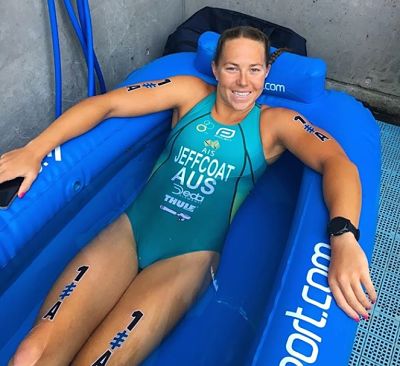
Emma used the hyperbaric chamber four times a week for an hour each session, particularly in the early post-surgical phase when inflammation was at its peak. Her surgeon flagged it as the closest thing to a gold standard tool for post-surgery recovery. The passive nature of it meant she could sleep through sessions — ticking off recovery and rest at the same time. She acknowledges access is not universal, but for those who have it, she says maximise it.
- Red light therapy
Emma used a portable red light mat on her ankle every evening for around 30 minutes — something she could do while already on the couch during bed rest. Like hyperbaric, it is passive. Taryn has gone deep on this topic — check out the Red Light Therapy Masterclass at dietitianapproved.com/red-light-therapy for the full picture. The key message from both Taryn and Emma: this is a finishing touch, not a foundation. Get your nutrition right first.
The Mindset That Makes or Breaks Injury Recovery
Emma is no stranger to setbacks. Bone stress injuries have followed her throughout her career and she is now very clear on exactly why. But what stands out is how she handles the mental load that comes with forced time off.
"I allow myself to be upset and cranky and angry for 24 to 48 hours. Then I draw a line in the sand. The time will pass anyway — I can spend six months being miserable, or I can make the most of it."
She is proactive with her mental health too. She sees a sports psychologist fortnightly normally and weekly when injured. She is upfront with family when she is struggling. She removed Strava from her phone for six months because she asked herself the obvious question: why would she want to see everyone else's run sessions when she could not run?
This is not toxic positivity. It is intentional, supported resilience. And it is available to age-group athletes too.
From RED-S to World Champion: Emma's Nutrition Journey
Emma opened up about one of the most important parts of her career evolution — her journey through relative energy deficiency in sport (RED-S) and disordered eating. For a long period she was significantly under-fuelling, had lost her period for a decade and experienced recurring bone stress injuries. She now knows with certainty that those injuries were largely self-inflicted through chronically low energy availability.
The turning point came when someone sat her down and put the actual numbers in front of her.
"Once I saw the energy demands of my training load — and then added what recovery required on top — I thought, why would you ever try to be restrictive? It's actually a challenge just to get enough food on board."
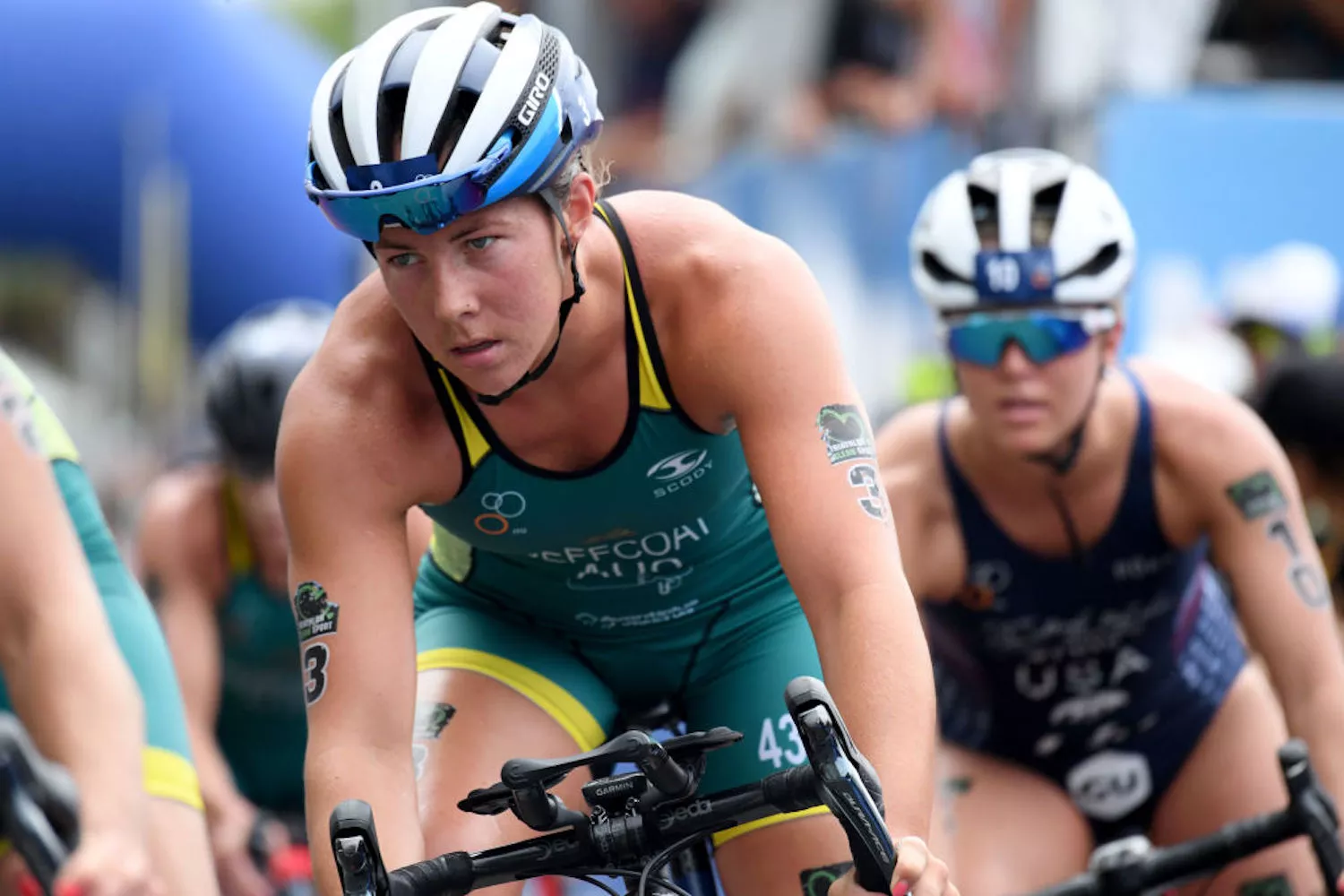
From there, everything changed. She went from being capped at 40km run weeks because her body kept breaking down, to running 80km weeks back-to-back. She won World Cups. She claimed a Mixed Team Relay World Championship title in 2024. She finished full seasons she had previously been too injured to complete.
RED-S and chronic energy deficiency are rampant in triathlon. If you are wondering whether this could be you, the Blood Tests for Triathletes guide at dietitianapproved.com/blood-tests-for-triathletes is a great place to start understanding what to check and what the results mean.
What Age-Group Triathletes Can Take From This
You do not need to be an elite athlete with access to a hyperbaric chamber to apply these principles. The approach is the same whether you are training for your first sprint triathlon or your fifth Ironman.
Start with the big rocks:
- Fuel for the work you are doing — and the recovery your body needs on top of that.
- Prioritise sleep as a non-negotiable training tool.
- Keep your nutrition proactive and consistent, not just on big session days.
- If you are injured: do not slash your food intake. Your body is doing serious work.
- Consider collagen around rehab sessions, creatine for muscle preservation and cognitive support, and fish oil for inflammation management.
- Build a team you trust and be honest with them. The more open you are, the more they can actually help you.
"I always felt like I was walking a tightrope. Now it feels like a bridge. I have a really solid base underneath me."
That bridge is built with consistent, adequate fuelling. Season after season.
Ready to Build Your Own Solid Base?
If Emma's story resonates - whether you are currently injured, stuck in a frustrating injury cycle or just know your nutrition is not where it needs to be - here is where to start:
- Listen to the full episode: Episode 240 of the Triathlon Nutrition Academy Podcast
- Download the free Triathlon Nutrition Checklist
- Join the Triathlon Nutrition Kickstart
- Join the waitlist for the Triathlon Nutrition Academy
Also worth a jumping into:
Ready to fuel your training properly?
Start with the Triathlon Nutrition Kickstart Course.
The ULTIMATE
Triathlon Nutrition Checklist
Wondering how well you're nailing your nutrition to support triathlon training and racing?
Download my FREE 50 step checklist to triathlon nutrition mastery.
We hate SPAM. We will never sell your information, for any reason.
Author