
From Zero to Ironman in Five Months
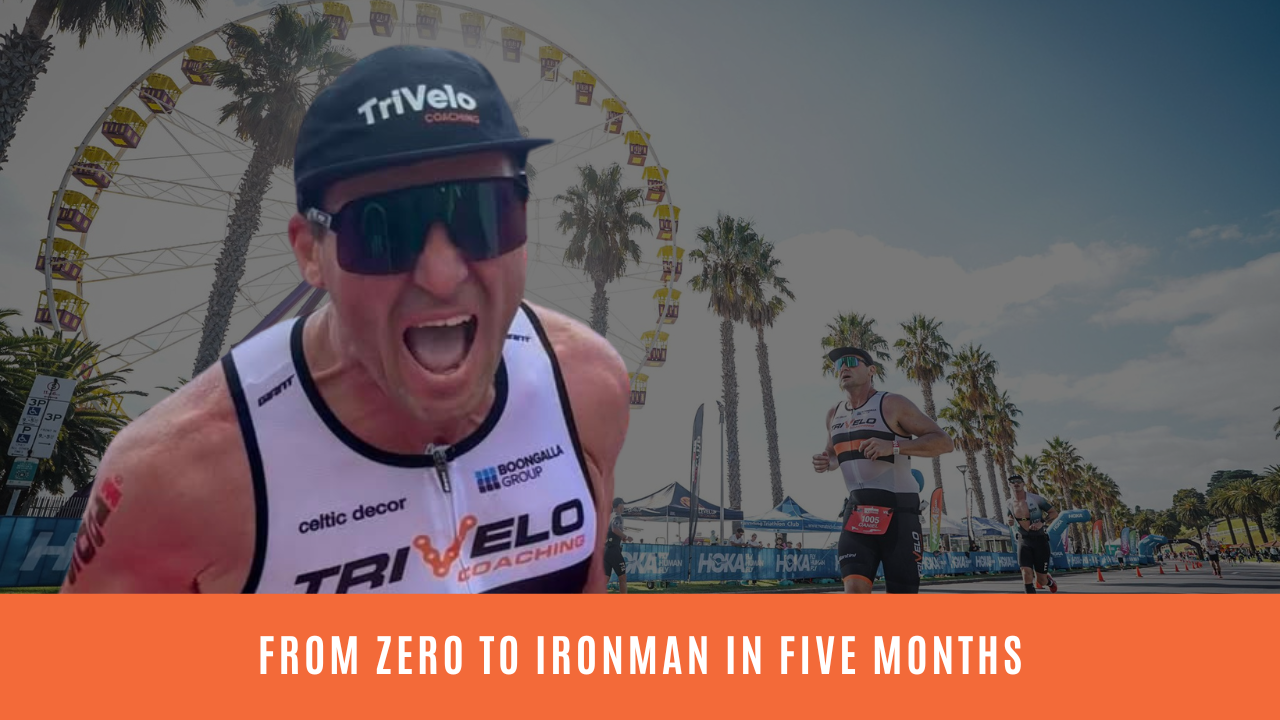
From Couch to Ironman in Five Months: Why Nutrition is the First Discipline
Triathletes are no strangers to going all in. But what happens when you throw yourself into Ironman training with zero experience and think you can out-train a poor diet?
This is exactly what Daniel Walker did. In true Type A style, Dan went from never having done a triathlon to crossing the Ironman Cairns finish line in just five months. But training hard wasn’t enough. It wasn't until he addressed his nutrition that things finally started to click.
Whether you're a beginner or seasoned age-grouper, Dan’s story is packed with lessons about why fuelling smarter is the real game changer.
The All-In Athlete Mentality
Dan is the definition of all or nothing. With a background in MMA, dirt biking and elite-level cricket, he thrives on picking a challenge and going full throttle.
So when a mate inspired him with a 70.3 finish, Dan didn’t waste time. He skipped sprint and Olympic distances altogether, and within hours of that conversation, he had entered Ironman Cairns. With zero triathlon experience.
"I bought a TT bike before I'd even done a triathlon session," Dan admitted.
What Went Wrong? Under-Fuelling and Carb Phobia
Coming from a weight-cutting background in MMA, Dan thought fat loss was as simple as slashing carbs.
"I used to cut weight by eating just 20 grams of carbs a day while training three hours," he said. "So I figured that would work for triathlon too."
But combining multiple daily training sessions with minimal food was a recipe for disaster. His coach flagged the risk of injury and stress fractures. That’s when Dan realised he needed help.
The TNA Program Wake-Up Call
Dan joined the Triathlon Nutrition Academy with one goal: lose weight to take pressure off his hip. But what he got was a complete transformation.
Key wins Dan experienced:
-
Learning why recovery nutrition should be priority number one
-
Backing up sessions stronger and with more energy
-
Understanding how to periodise fuelling to match training
-
Troubleshooting race day failures through data and discussion
"The biggest thing I gained was confidence. I now know what to eat, when, and why – and how to fix it if it goes wrong."
The Ironman Cairns Reality Check
Despite being in peak condition, Dan made a crucial race-day mistake. He relied on on-course nutrition.
When the promised gels weren't available, he had no backup plan. He ended up overdosing on caffeine gels and paid the price.
Lesson learned: always be self-sufficient. Now Dan uses his own fuel plan, his own mixes, and only grabs Coke and water on course.
Fat Loss, Reframed
Instead of obsessing over the scales, Dan now focuses on:
-
Optimising body composition, not just weight
-
Using performance metrics like FTP to assess progress
-
Building habits around adding better choices, not removing food
"I used to say I wanted to lose weight. Now I say I’m working on body composition. That mindset shift has changed everything."
Is Ironman as Your First Race a Good Idea?
Dan is the first to admit that while going all in on Ironman was fun, it probably set him back.
"The toll it took on my body set me back six months. Looking back, I should have focused on 70.3s first."
Now, he's targeting Nice 70.3 Worlds and building patiently toward Kona.
What You Can Learn from Dan
-
Nutrition is not the fourth leg of triathlon. It's the first.
-
Carb phobia and under-fuelling are common but dangerous.
-
Being self-sufficient on race day gives you control and confidence.
-
A performance mindset beats a fat loss obsession every time.
Next Steps for You
If you're tired of training hard without seeing results, it might be time to fix your fuelling.
Start here:
-
Grab the Triathlon Nutrition Checklist to audit your current habits
-
Join the waitlist for the next TNA program: dietitianapproved.com/academy
Stop winging it. Fuel smarter, train harder, and finally unlock the performance you deserve.

Join the Dietitian Approved Crew!
Join our exclusive Dietitian Approved Crew Facebook group. A positive and supportive community of like-minded athletes in the pursuit of health and performance.
Get access to healthy recipes, evidence-based tips and ideas from us PLUS hot deals and discounts reserved only for our community.
Stay connected with news and updates!
Categories
All CategoriesRecent Posts
