
Triathlon Nutrition Blog
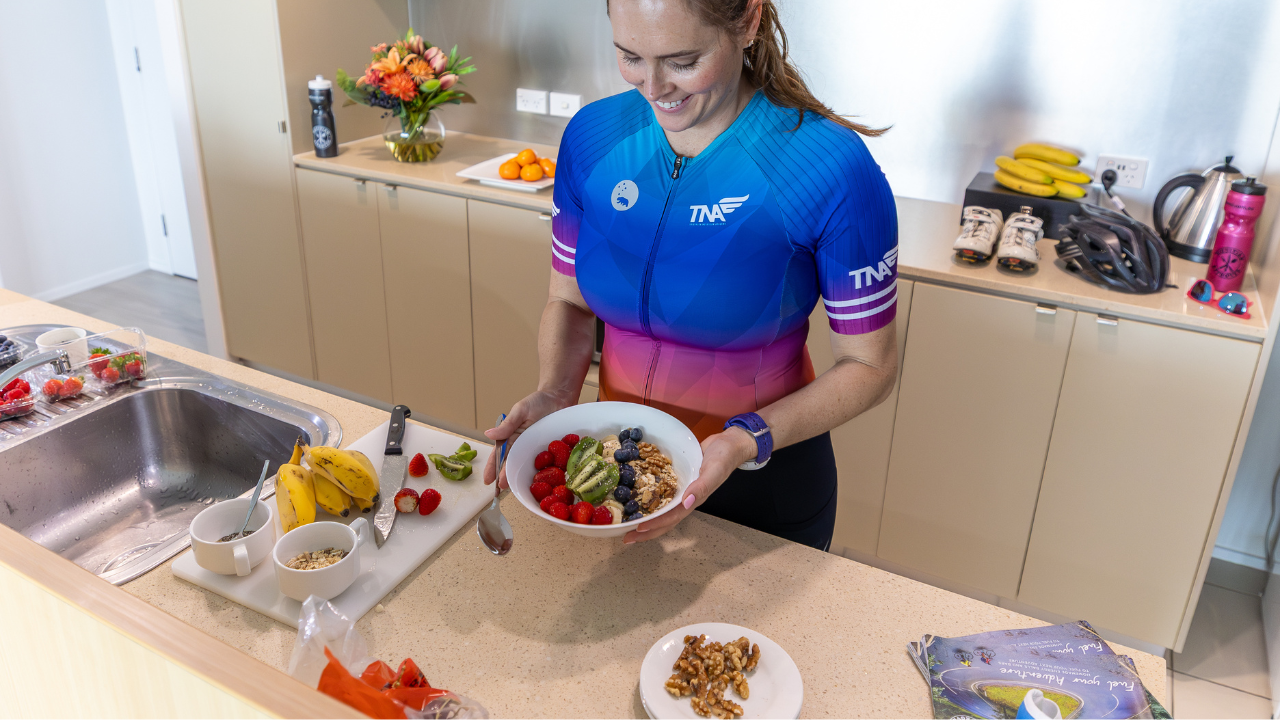
Quick answer: Triathlon nutrition for beginners comes down to four habits you repeat every week, not the clever things you do once a year. Eat enough carbohydrate to match the training you are actually doing, spread protein across the day, practise fuelling in sessions long before race day, and know...
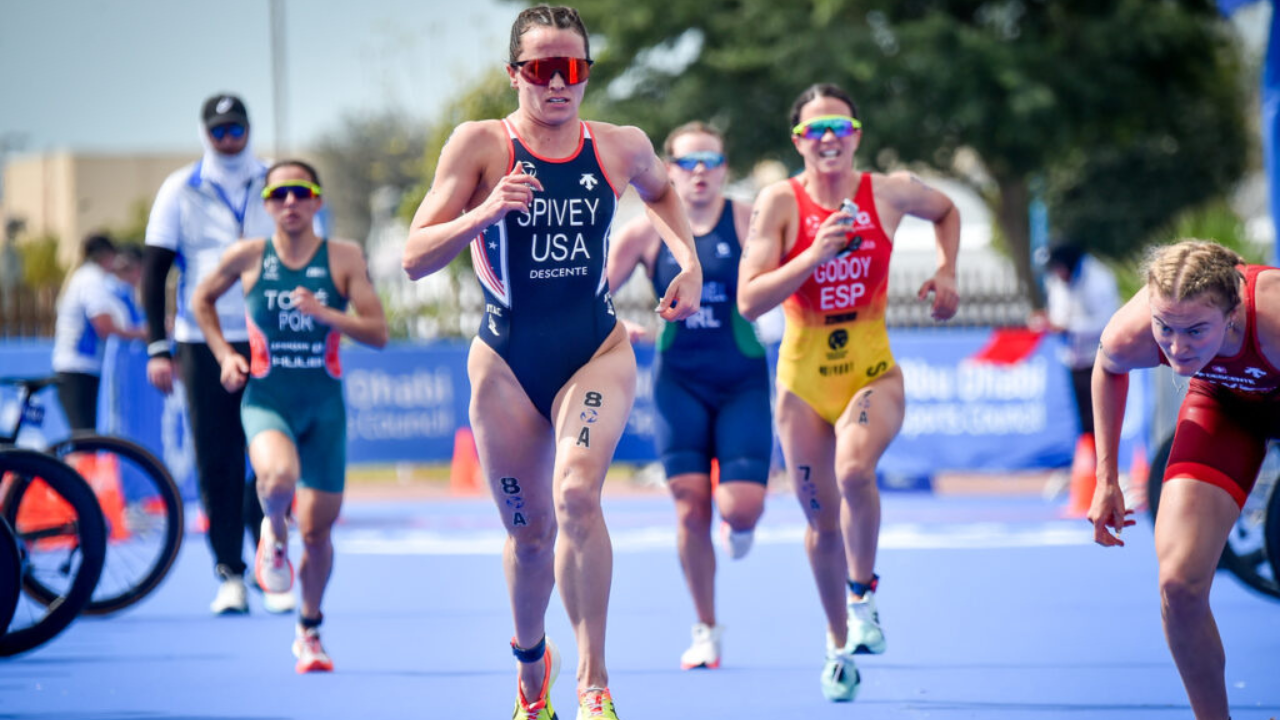
Quick answer: What pro triathletes eat in a day is mostly ordinary food in extraordinary amounts. A professional training 25 to 30 hours a week sits at the top of the carbohydrate guidelines, around 8 to 12 grams per kilogram of body weight per day (Thomas, Erdman and Burke, 2016, Journal of the Aca...
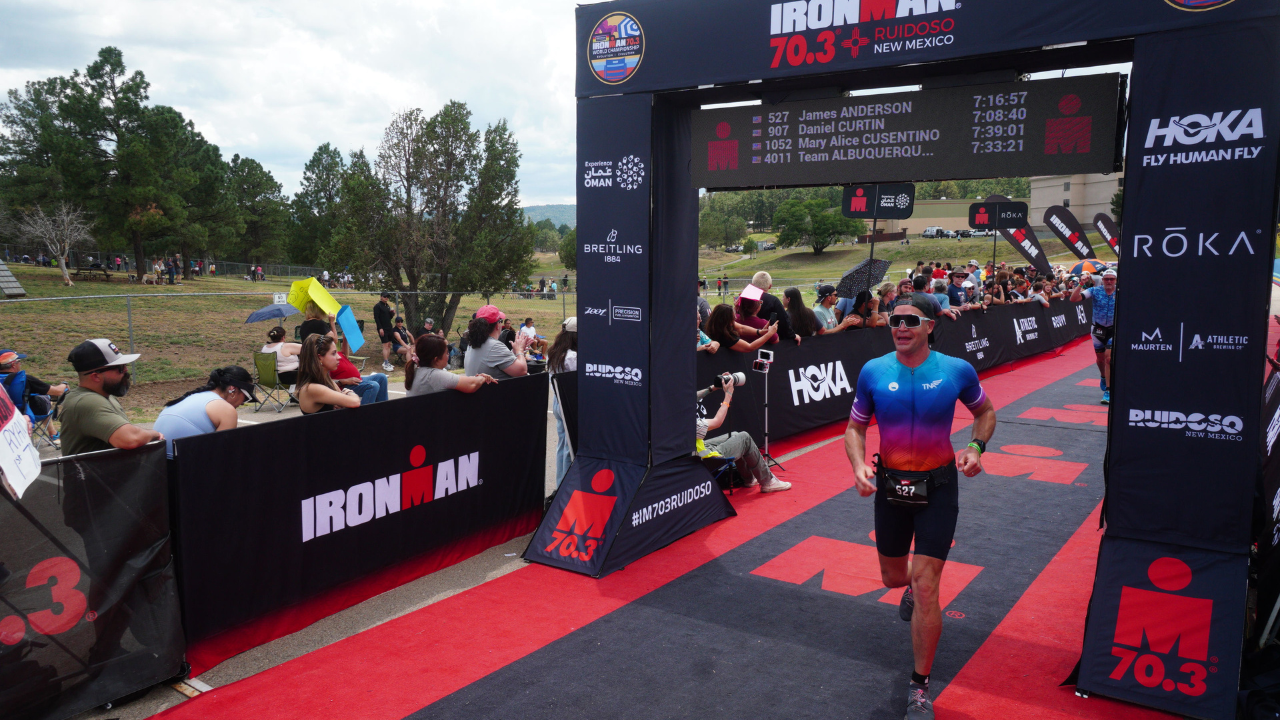
Quick answer: A 70.3 nutrition plan comes down to four numbers. Carb load at 10 to 12 grams of carbohydrate per kilogram of body weight per day for the 36 to 48 hours before the race, eat 2 to 3 grams per kilogram at breakfast 2 to 3 hours before your wave, take in 70 to 90 grams of carbohydrate per...
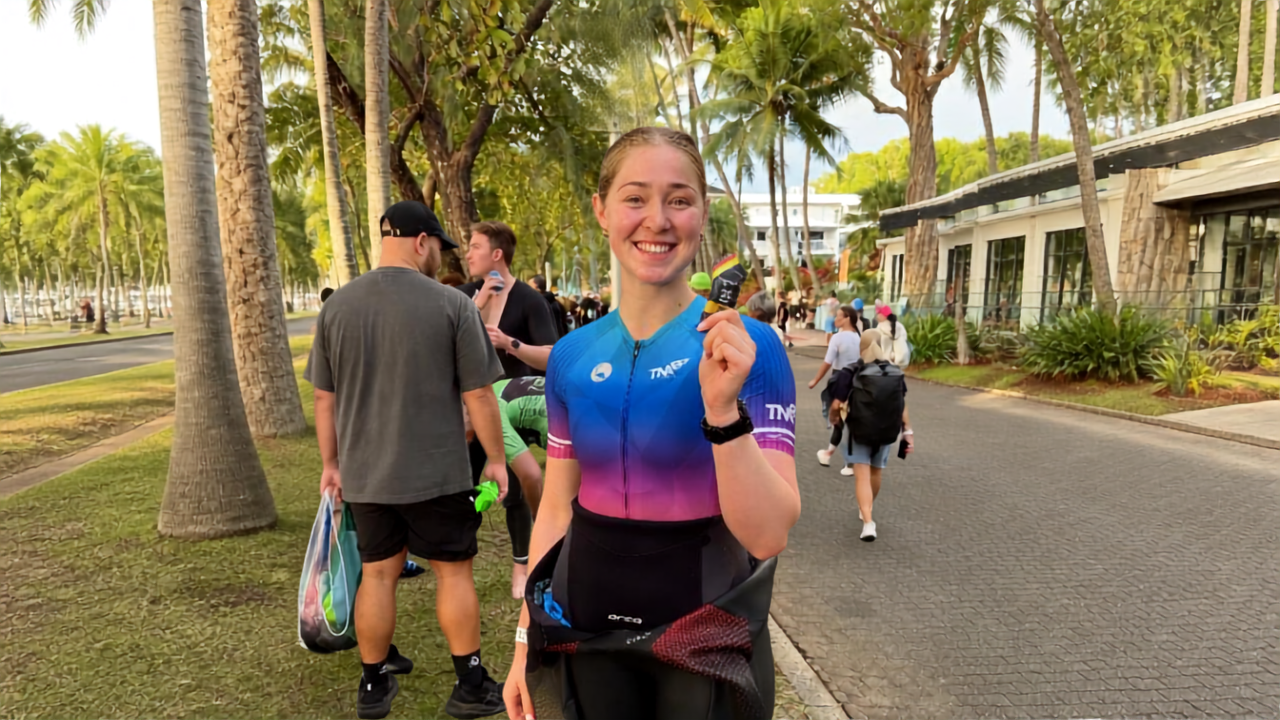
Quick answer: Caffeine for triathlon works at 3 to 6 mg per kilogram of body weight, taken around 60 minutes before you need it. For a 72 kg athlete that is 216 to 432 mg. Doses of 3 to 6 mg/kg improve endurance performance consistently, the minimum effective dose can be as low as 2 mg/kg and 9 mg/k...
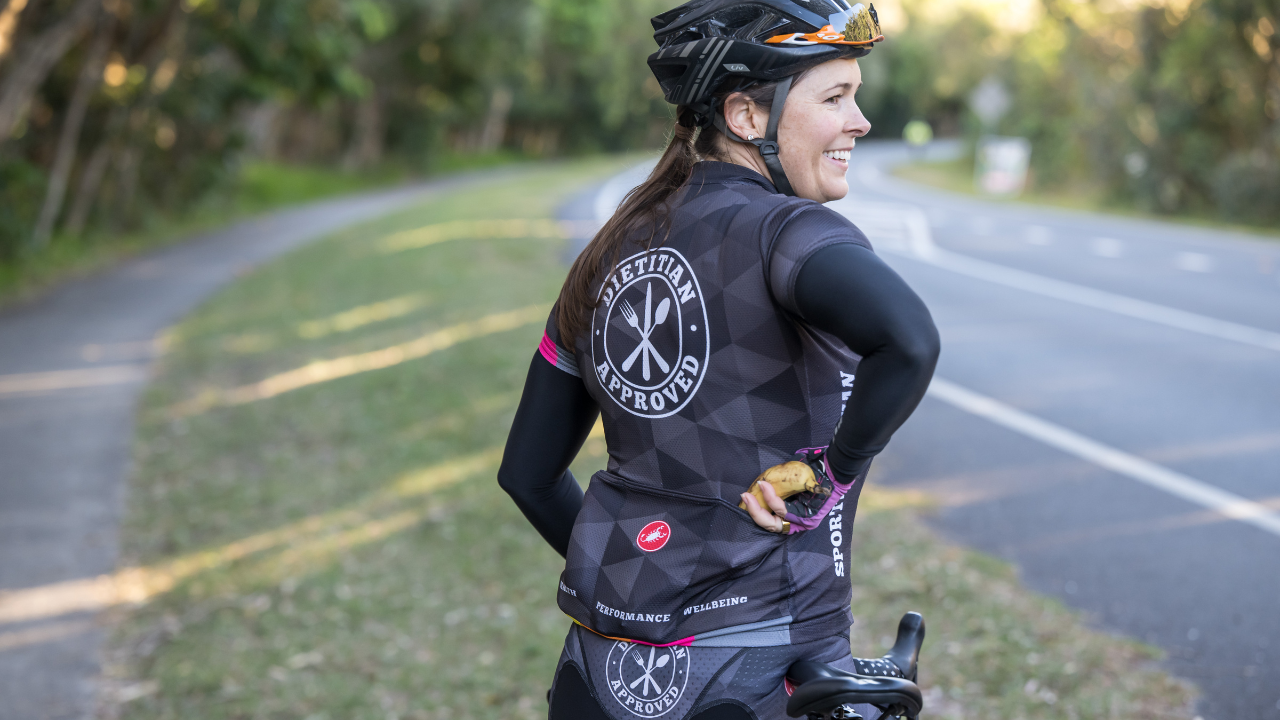
Quick answer: Gut training for triathlon means deliberately practising higher carbohydrate intakes in training so your gut adapts to absorb them without distress. It works because your intestine upregulates its transporters and your stomach learns to tolerate volume. Two weeks of repeated gut-challe...
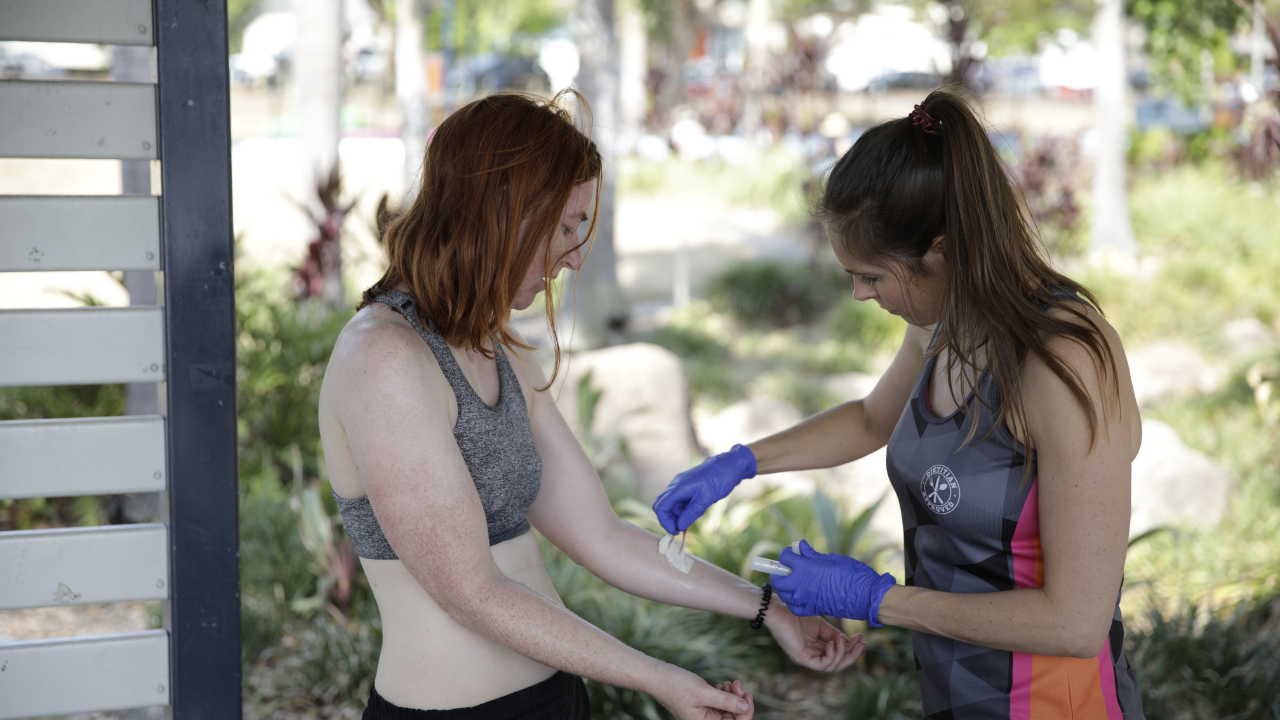
Quick answer: A sweat rate test at home takes 60 minutes, a set of digital scales and a towel. Weigh yourself nude before and after a one-hour session, track exactly how much you drink, then run the numbers: sweat rate (litres per hour) = weight before in kg, minus weight after in kg, plus fluid con...
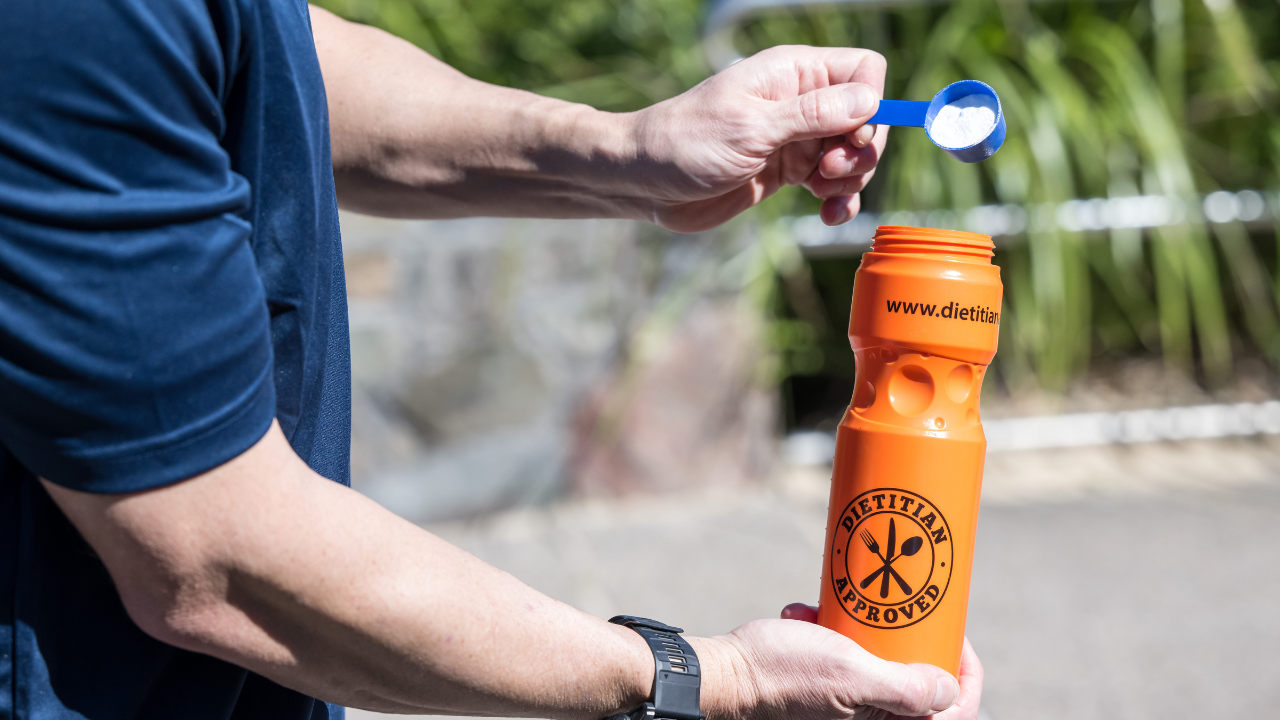
Quick answer: Most endurance athletes lose around 1,190mg of sodium per hour of hard training, but the honest range sits somewhere between 550mg and 1,830mg per hour depending on how much you sweat and how salty that sweat is (Barnes et al., 2019, Journal of Sports Sciences). Sodium for triathletes ...
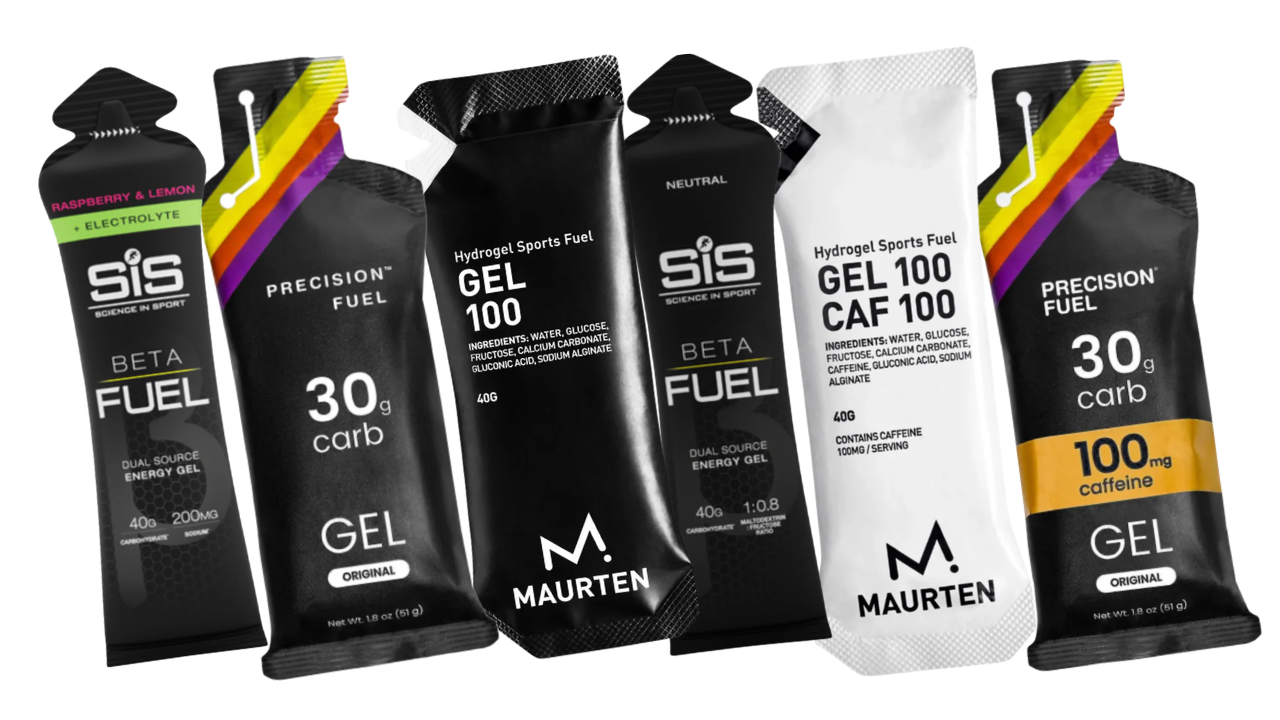
Quick answer: In the Maurten vs Precision debate, there is no single "best" gel, but there is a best gel for your gut, your race and your wallet. Maurten Gel 100 (25g of carbohydrate, a 1:0.8 glucose to fructose ratio) is the smoothest hydrogel but the most expensive per gram of carbohydrate at arou...
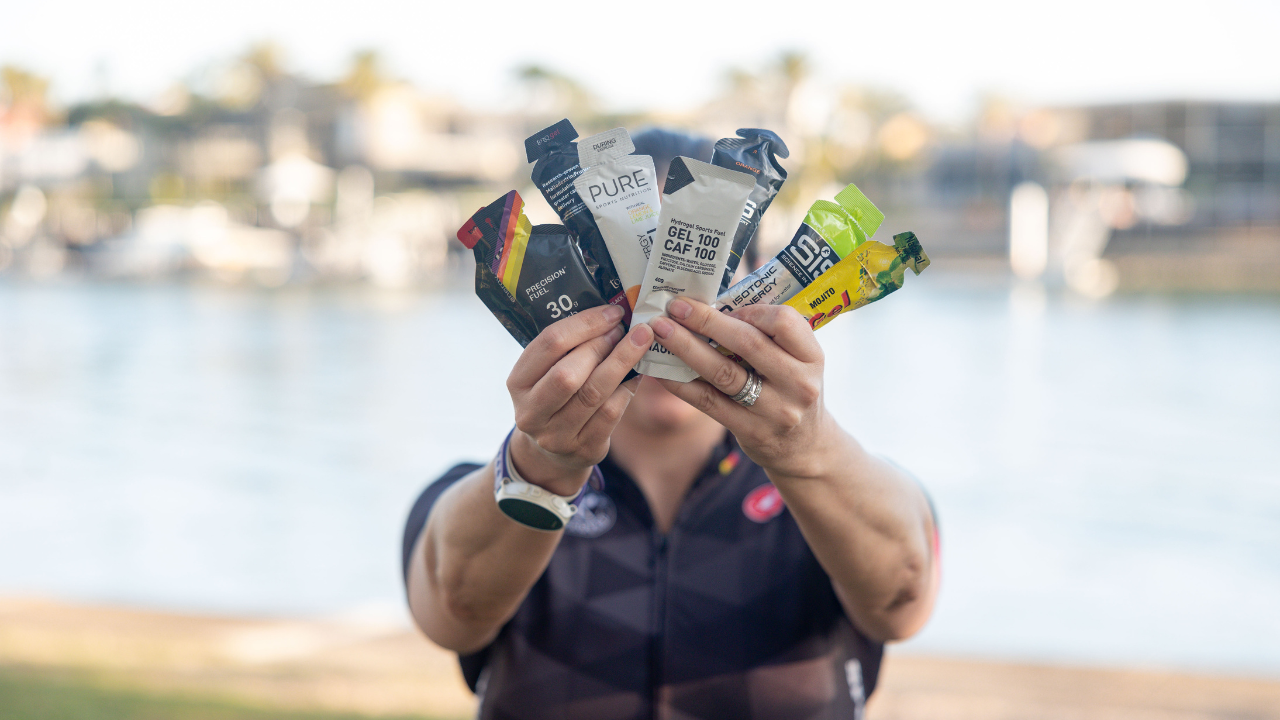
The best triathlon gel for you is the one that delivers the carbs you need, in a glucose-fructose ratio your gut can absorb, at a price you can afford to use in real training volume.
On the numbers that actually matter for age-group triathletes, three gels lead the pack in 2026: Maurten Gel 100, Pr...
Hydrogen water for triathletes shows a small, real effect on recovery markers like muscle soreness and creatine kinase, but almost no meaningful effect on endurance performance. The study driving the marketing used 1,260 to 2,520 mL a day, three to six times the dose in consumer tablets, which works...
If you’re an age-group triathlete spending hours researching gels, supplements and race day strategies… but still feeling flat, fatigued or stuck, this might hit a nerve.
Because here’s the truth:
You’re probably focusing on the wrong things.
After working with thousands of triathletes over the last...

Training hard but still underperforming? This might be why
If you’re an age-group triathlete putting in the hours but not getting the results you expect, your nutrition could be the missing link.
In 2026, I’m seeing a new wave of nutrition mistakes creeping in alongside the old classics. And the ki...