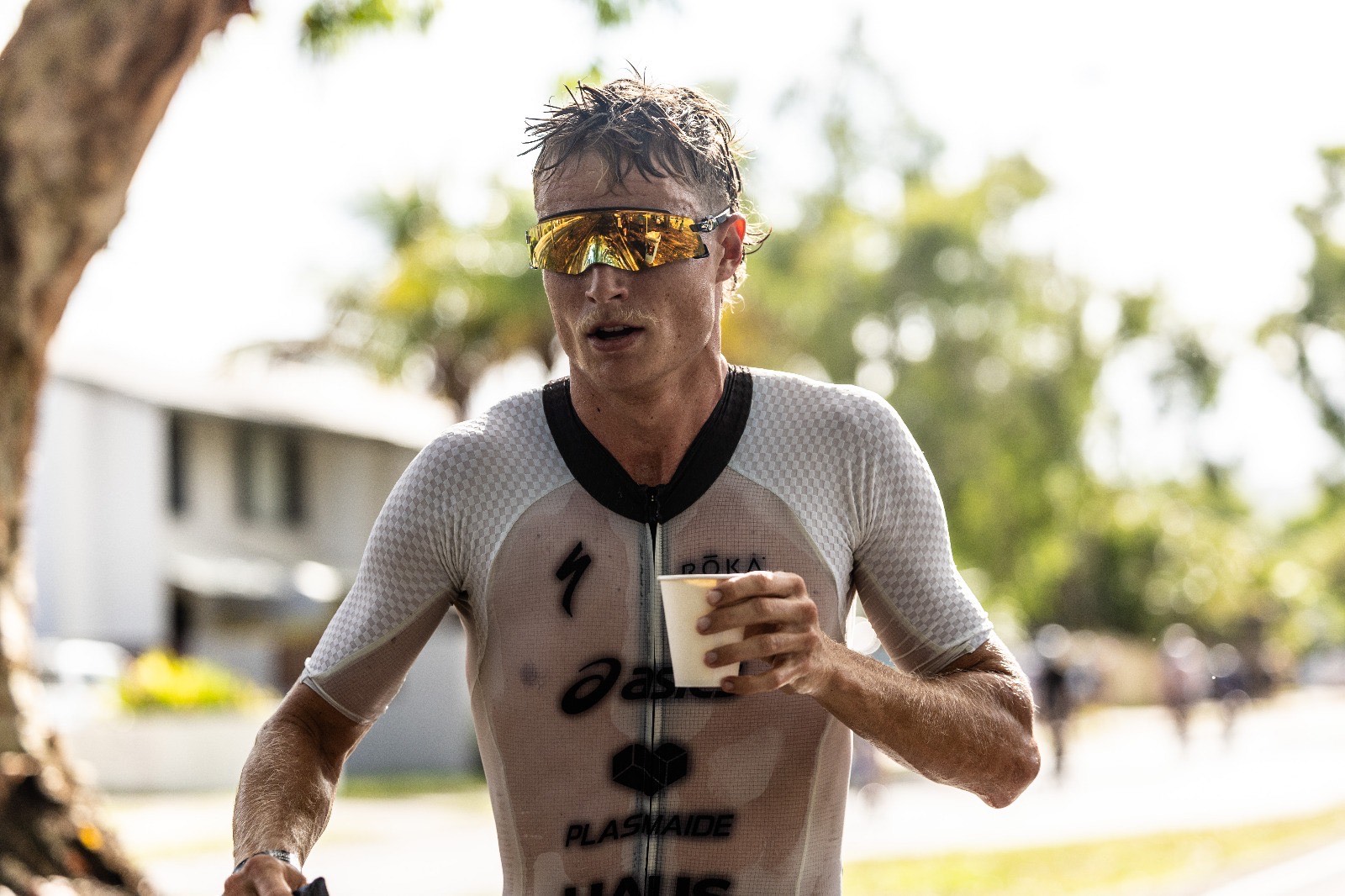
World Champion Matthew Hauser: Inside the Life of an Elite Triathlete
Feb 06, 2026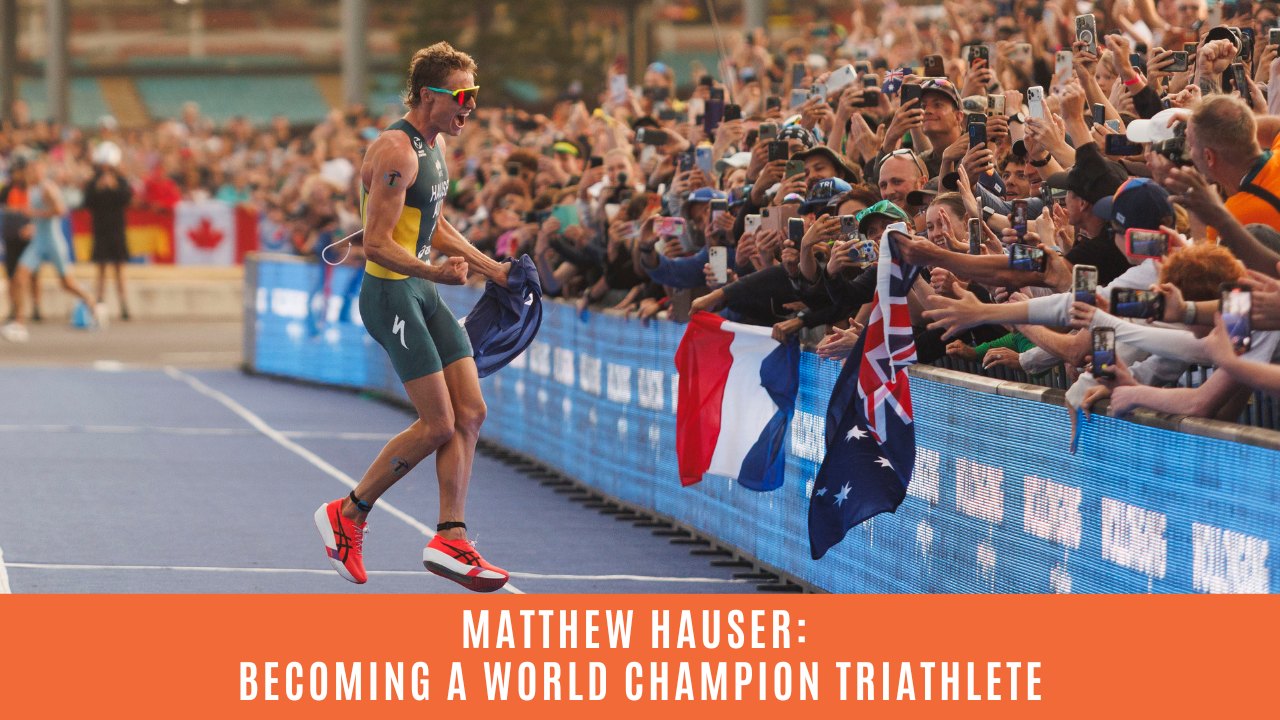
What does a typical day look like for a world champion triathlete? How do they fuel, train, and balance it all? For age-groupers trying to juggle work, family, and training, it can feel like pros are in another universe. But there’s so much we can learn from the habits and mindset of elite athletes - if you know where to look.
In this behind-the-scenes blog, we unpack what makes Matthew Hauser, 2025 World Triathlon Champion, tick. From early lessons in fuelling to his daily nutrition routine, Matt pulls back the curtain on what it really takes to reach the top of the triathlon world.
A Training Week That’s a Full-Time Job
Matt trains 25 to 30 hours a week. That includes:
-
350km on the bike
-
80km of running
-
22km in the pool
-
2 gym sessions
Add physio, psychology and dietitian consults, naps, stretching, and recovery meals – you quickly see that triathlon isn't a hobby at his level. It's a job.
“It certainly makes up more of a lifestyle and a full-time job than just a sport I do.” – Matt Hauser
Matt’s Morning Routine: Fuel First, Then Train
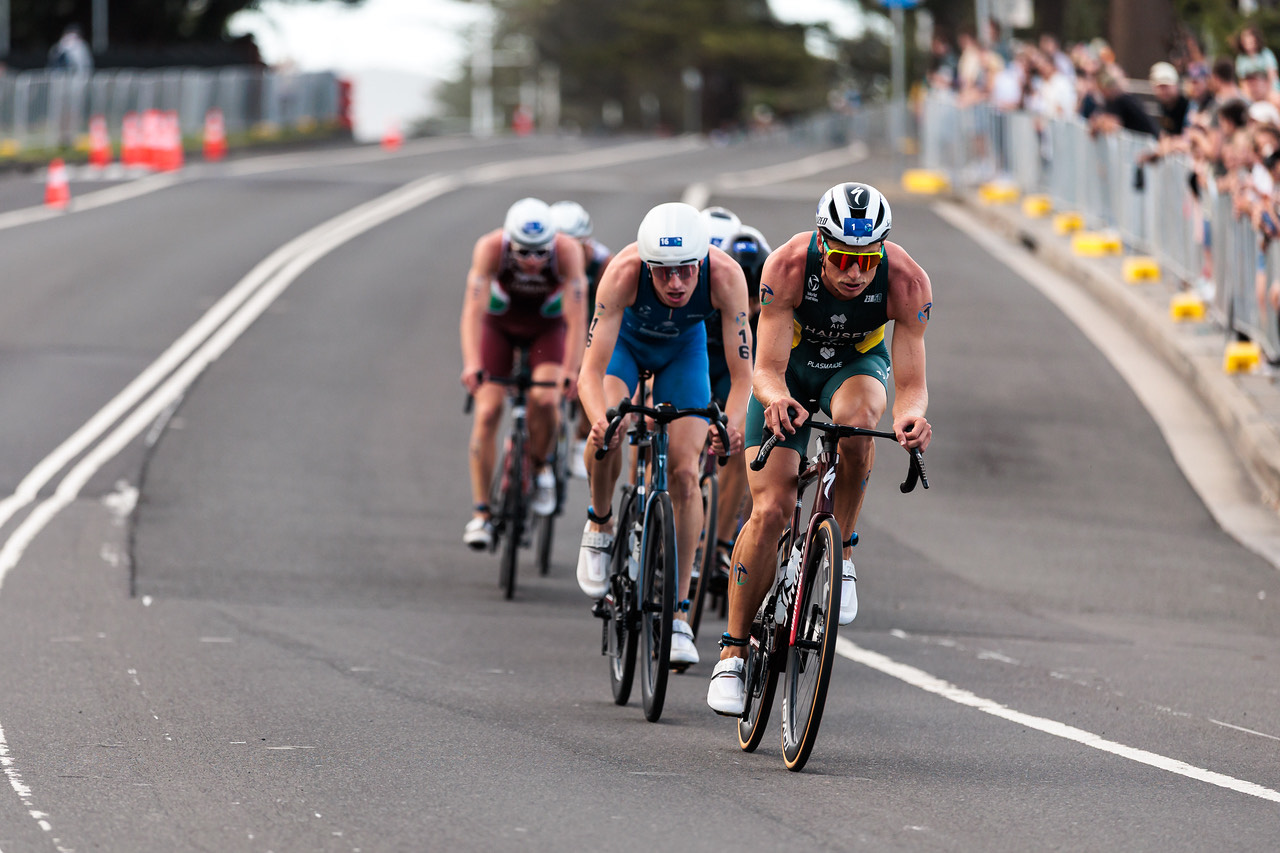
Most days start around 5am. Before heading out for a 6am session, Matt prioritises pre-training fuelling:
-
Coffee - Aeropress or espresso
-
Muesli or granola with yoghurt and bananas
-
On the bike: Maurten 320 mix, solid bars, muesli bars, bananas
That post-session hunger is real, and Matt doesn’t skimp:
-
Second breakfast: Hash browns, eggs, bagel with cream cheese, avocado, feta, crispy chilli oil
Fuelling Throughout the Day
Matt follows a fuelling rhythm that many age-groupers would benefit from:
-
Recovery Brunch: Protein, carbs, healthy fats and nutrients to replenish
-
Lunch: Sandwich, toastie or tuna and rice
-
Afternoon session: 5k swim or 30-min jog
-
Recovery snack: Chocolate milk or protein shake
-
Dinner: Something simple like a BBQ with lean protein, carbs and veggies
"Train your gut. However you can get your carbs in and get them in quick is the most important part."
The Evolution of an Athlete: From Subway to Measured Strategy
In his junior years, Matt’s fuelling was more reactive than strategic. Think:
-
Skipping meals
-
Footlong subs before races
-
Wine with dinner despite recovery needs
Sound familiar?
Now, he thinks and fuels like a professional:
-
Pre-race: Plain rice with honey or yoghurt
-
Supplements: Collagen and protein during gym
-
Awareness: Cramping linked to muscle strength, not electrolytes
"My relationship with food has shifted from just eating when I feel hungry to fuelling with a purpose."
Strength Training to Prevent Cramping
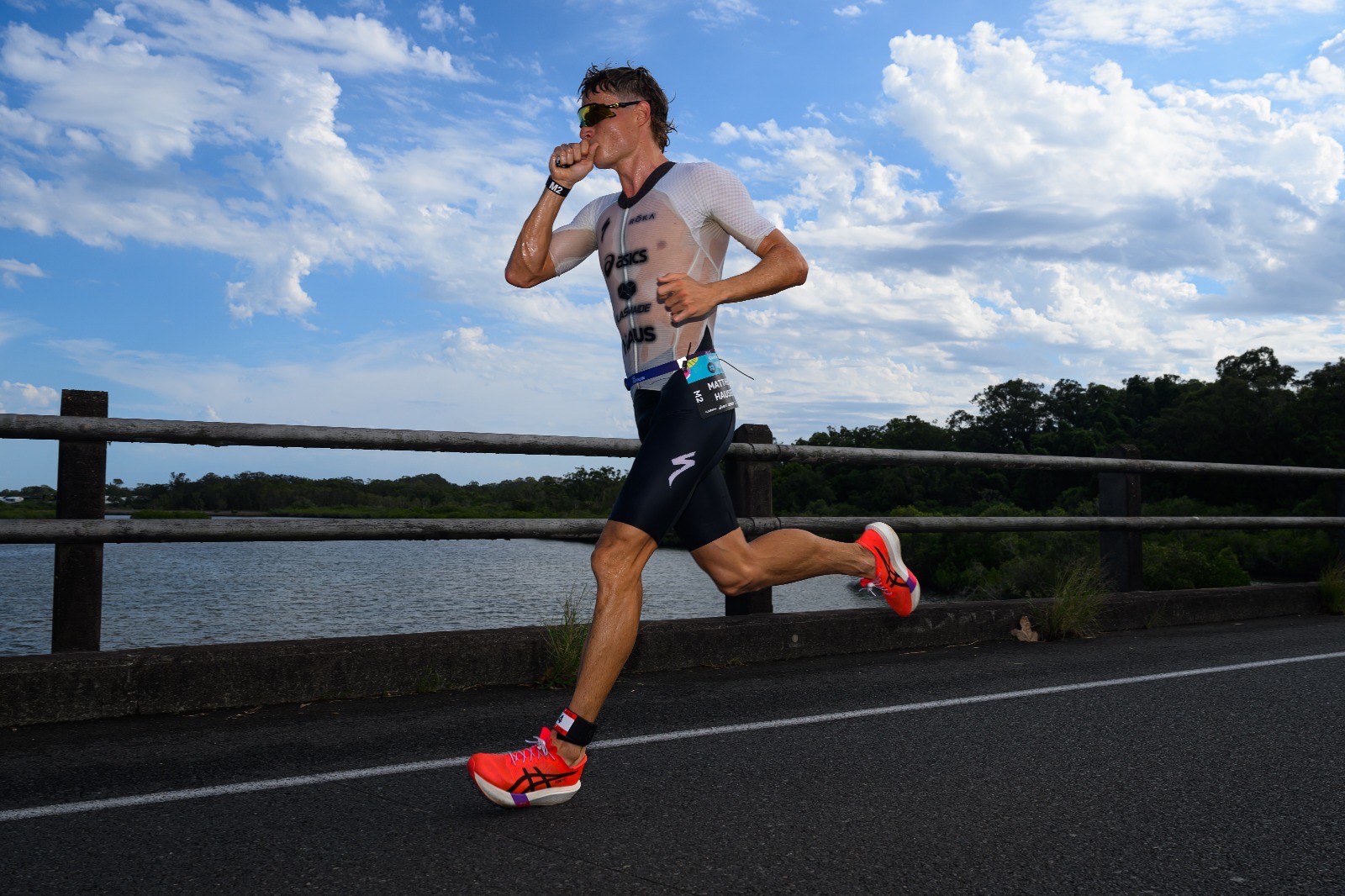
Matt lifts heavy in the gym twice a week – not to bulk up, but to build durability. That includes:
-
Lower body strength to reduce late-race cramping
-
Hamstring and calf resilience
-
Targeted collagen supplementation to support tendon health
Quote of the day: “Cramping is usually just a weak muscle not coping with the demand. Strengthen that sh*t up.”
What Age-Group Triathletes Can Learn
You don’t need to be a full-time athlete to apply Matt’s approach. Here’s what you can do:
-
Eat proactively, not reactively
-
Prioritise carbs around training windows
-
Invest in recovery snacks (even if it’s quick and convenient)
-
Build strength to support endurance
-
Reduce overthinking and stick to the basics
Final Word: Stay Humble, Stay Hungry
Despite his world title, Matt’s focus is already on what’s next: going back-to-back, Olympic success, and mastering short-course racing. His secret? Consistency, purpose, and self-belief.
"You can't rely on talent forever. You've got to do the work."
Ready to Dial in Your Own Nutrition?
Start with our Triathlon Nutrition Checklist to see how well you're really fuelling your training.
And when you're ready to level up, the Triathlon Nutrition Academy is the one-stop-shop education program designed for age-groupers who want to stop winging it and start fuelling smarter.
Ready to fuel your training properly?
Start with the Triathlon Nutrition Kickstart Course.
The ULTIMATE
Triathlon Nutrition Checklist
Wondering how well you're nailing your nutrition to support triathlon training and racing?
Download my FREE 50 step checklist to triathlon nutrition mastery.
We hate SPAM. We will never sell your information, for any reason.
Author