
Triathlon Nutrition Blog
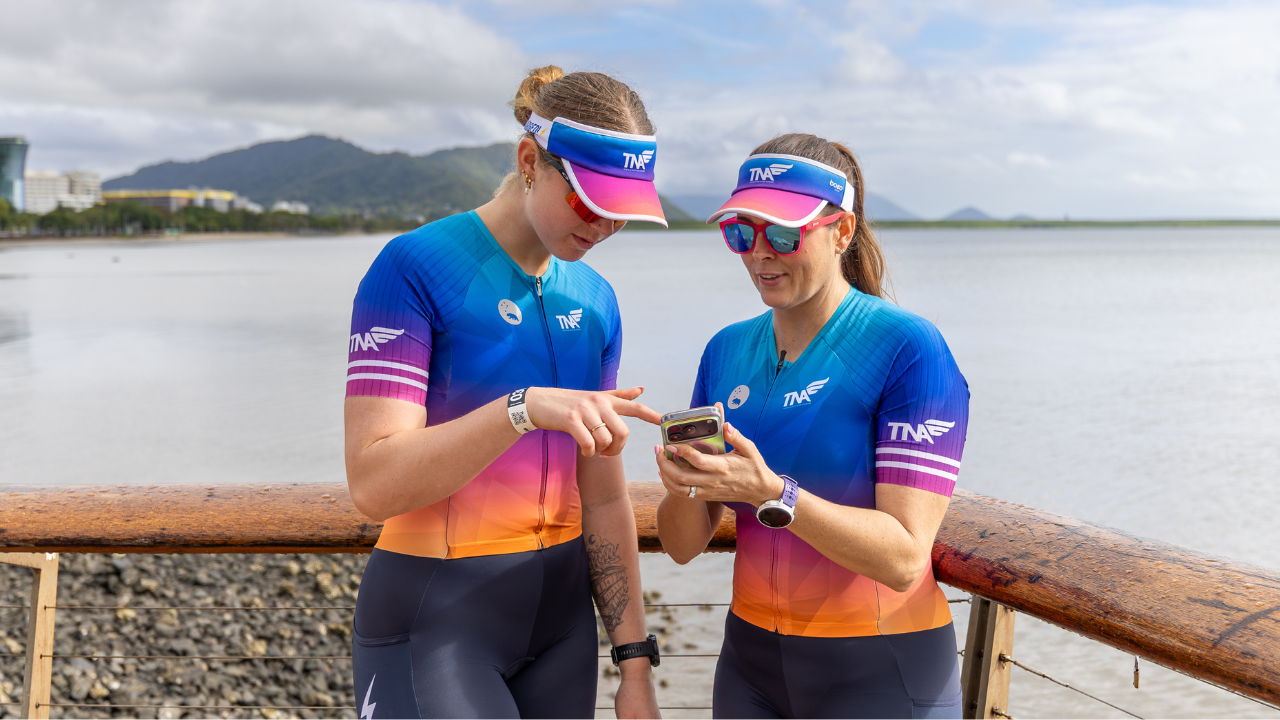
Quick answer: Sports dietitian cost in Australia sits at roughly $180 to $290 for an initial consultation and $97 to $230 for a follow-up, based on fees Australian clinics published in 2026. Ongoing 1:1 coaching packages run about $85 to $99 a week, or around $1,239 upfront for 12 weeks. Medicare re...
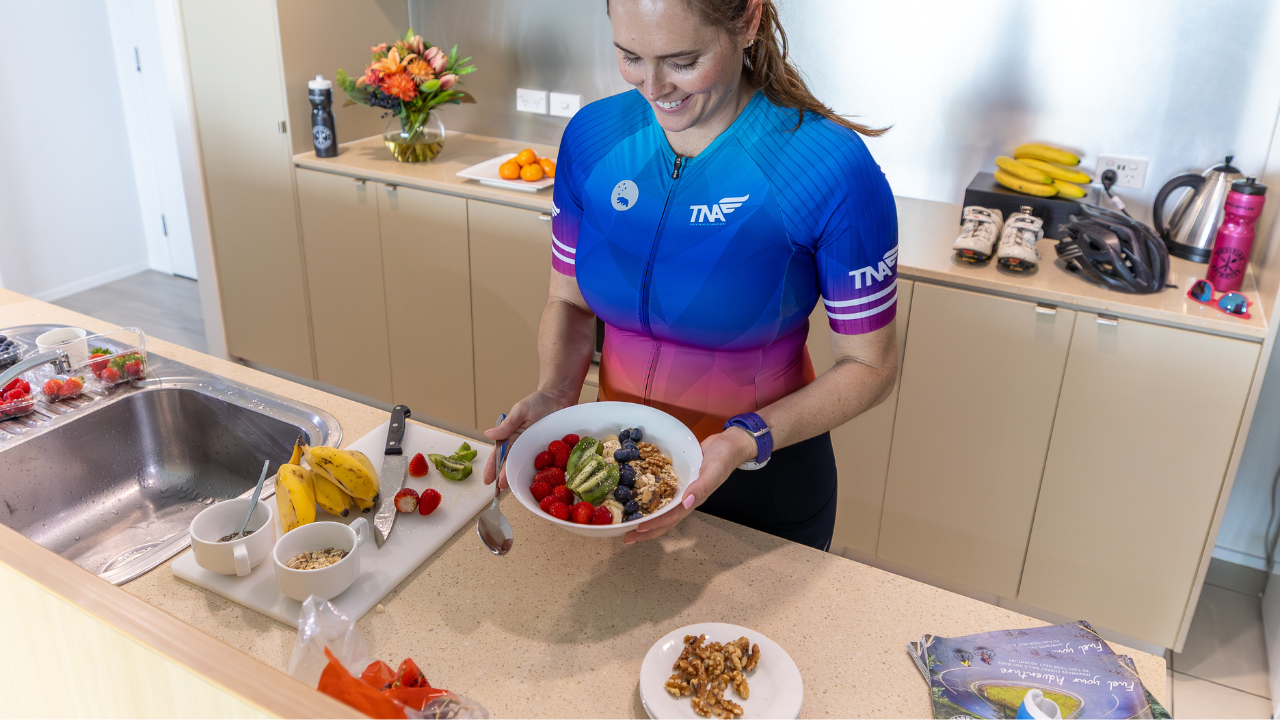
Quick answer: Triathlon nutrition for beginners comes down to four habits you repeat every week, not the clever things you do once a year. Eat enough carbohydrate to match the training you are actually doing, spread protein across the day, practise fuelling in sessions long before race day, and know...
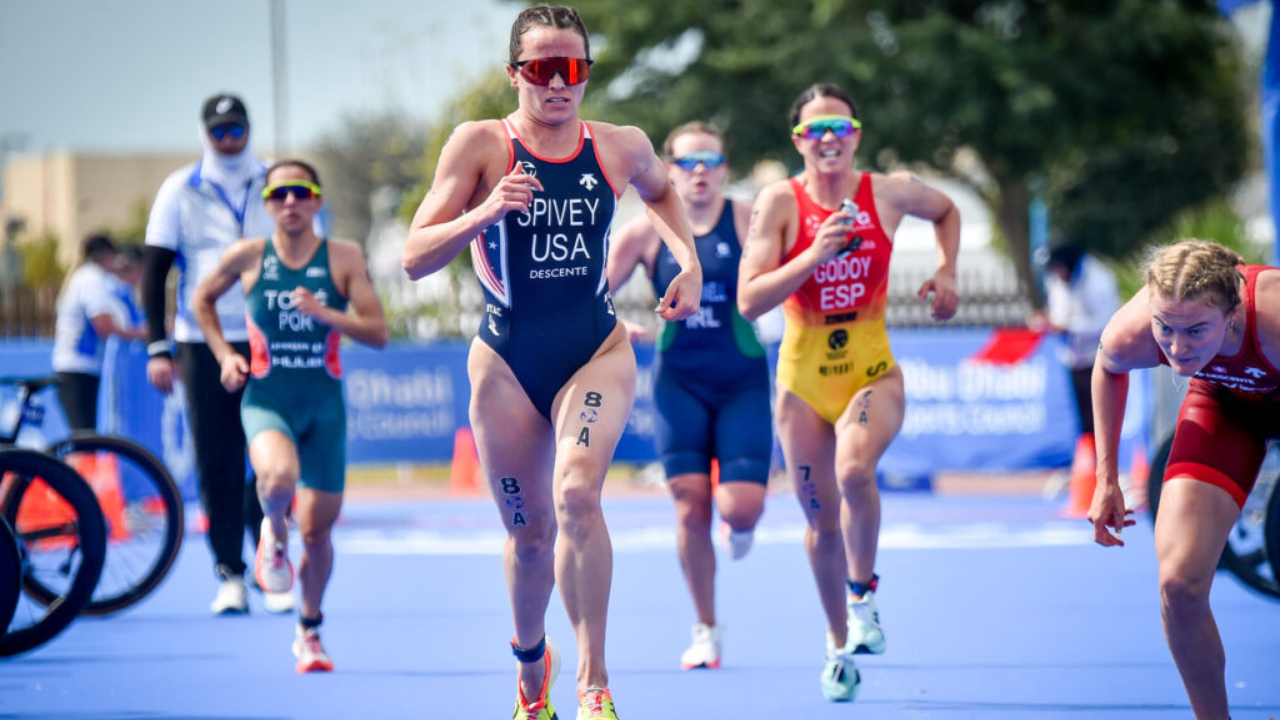
Quick answer: What pro triathletes eat in a day is mostly ordinary food in extraordinary amounts. A professional training 25 to 30 hours a week sits at the top of the carbohydrate guidelines, around 8 to 12 grams per kilogram of body weight per day (Thomas, Erdman and Burke, 2016, Journal of the Aca...
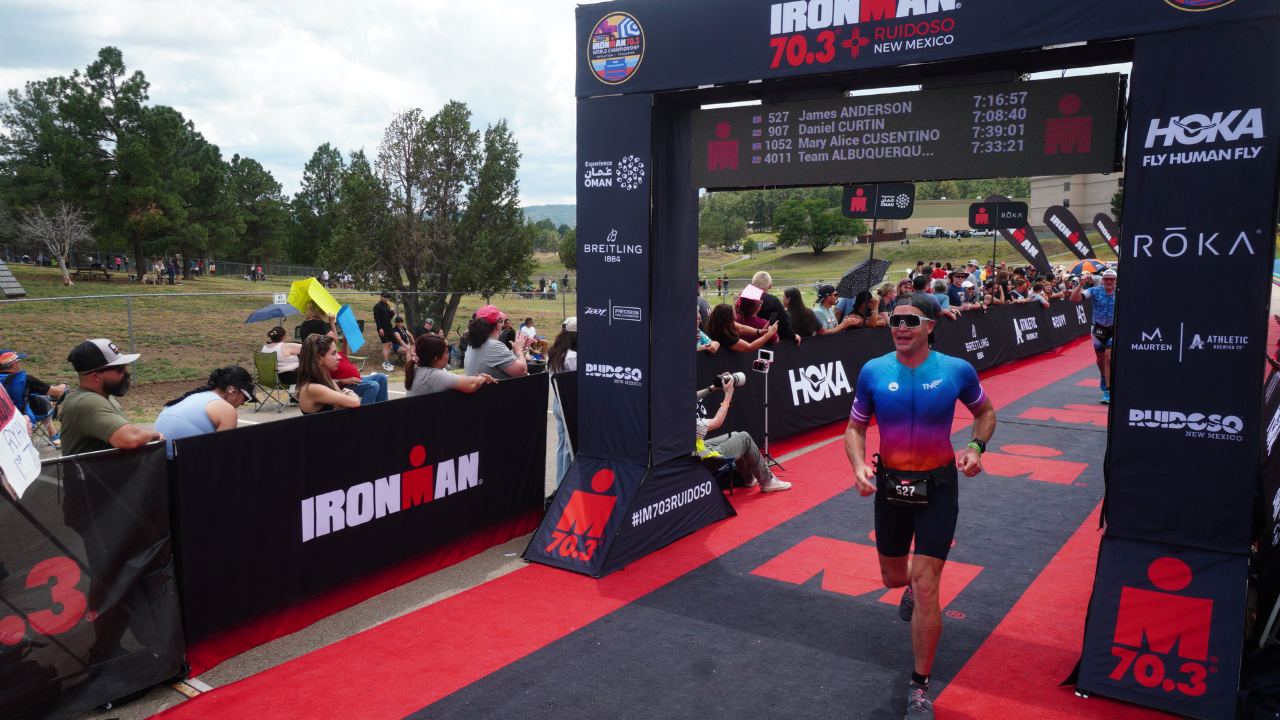
Quick answer: A 70.3 nutrition plan comes down to four numbers. Carb load at 10 to 12 grams of carbohydrate per kilogram of body weight per day for the 36 to 48 hours before the race, eat 2 to 3 grams per kilogram at breakfast 2 to 3 hours before your wave, take in 70 to 90 grams of carbohydrate per...
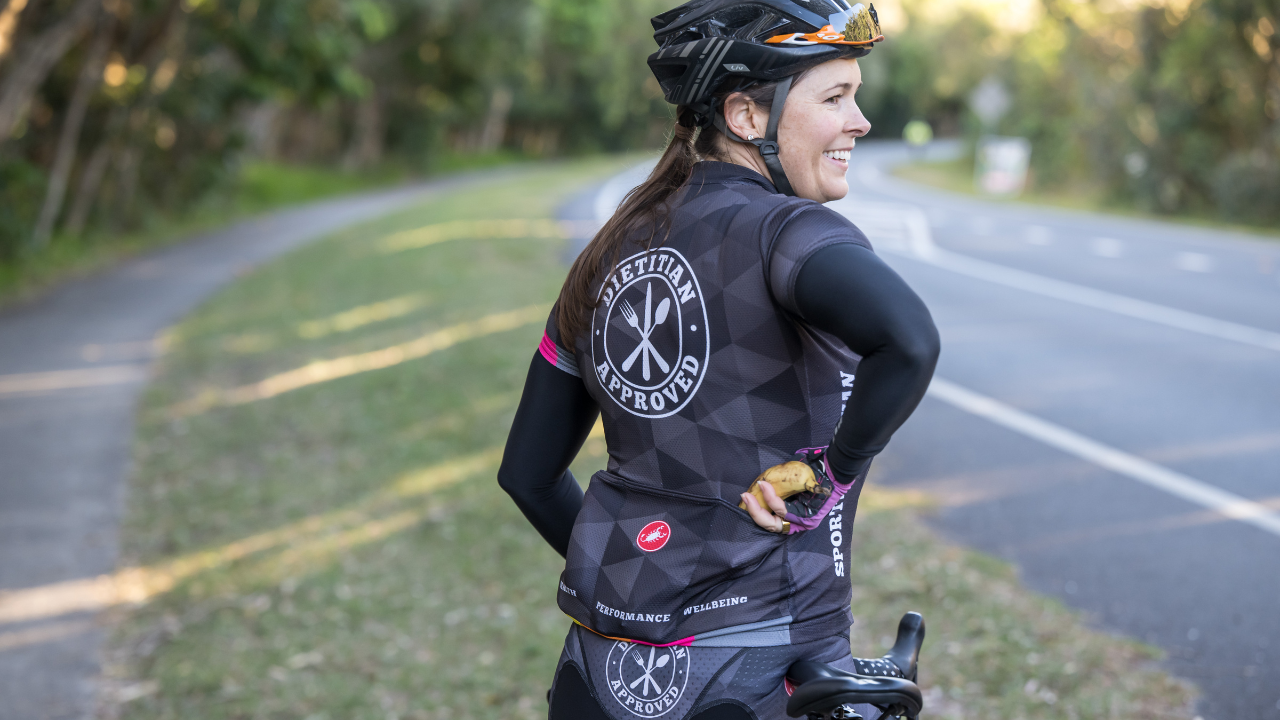
Quick answer: Gut training for triathlon means deliberately practising higher carbohydrate intakes in training so your gut adapts to absorb them without distress. It works because your intestine upregulates its transporters and your stomach learns to tolerate volume. Two weeks of repeated gut-challe...
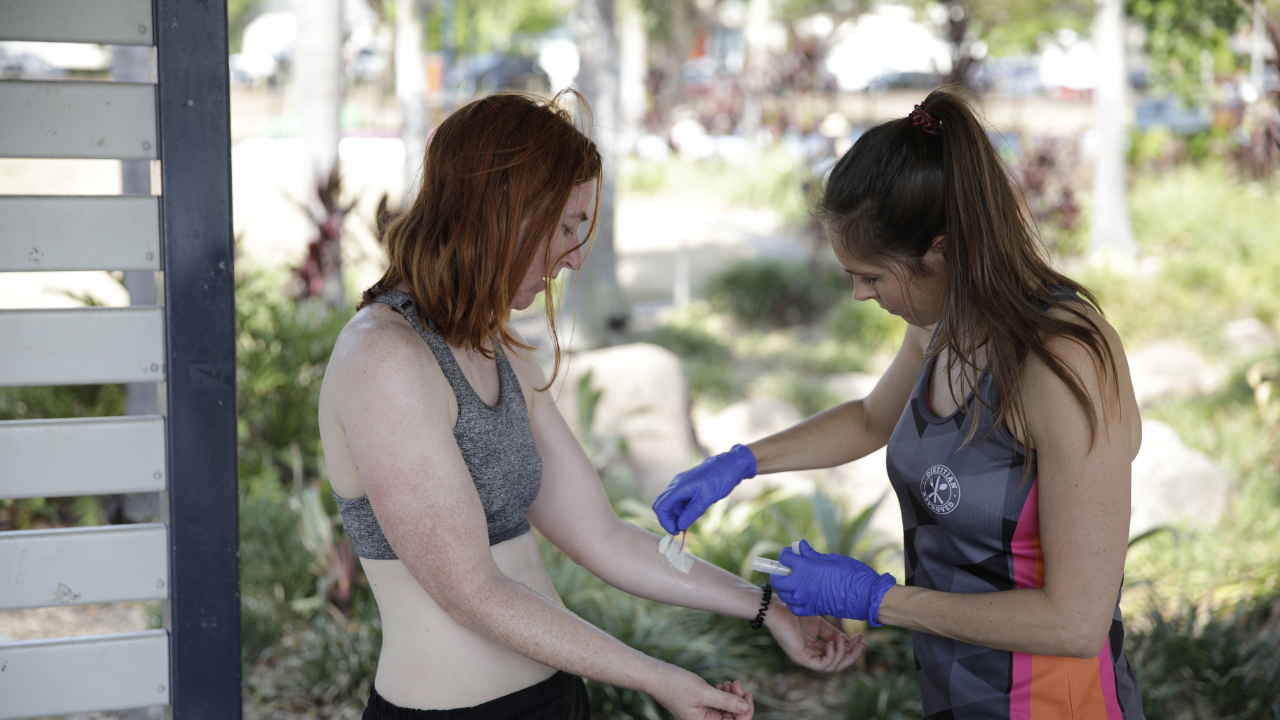
Quick answer: A sweat rate test at home takes 60 minutes, a set of digital scales and a towel. Weigh yourself nude before and after a one-hour session, track exactly how much you drink, then run the numbers: sweat rate (litres per hour) = weight before in kg, minus weight after in kg, plus fluid con...
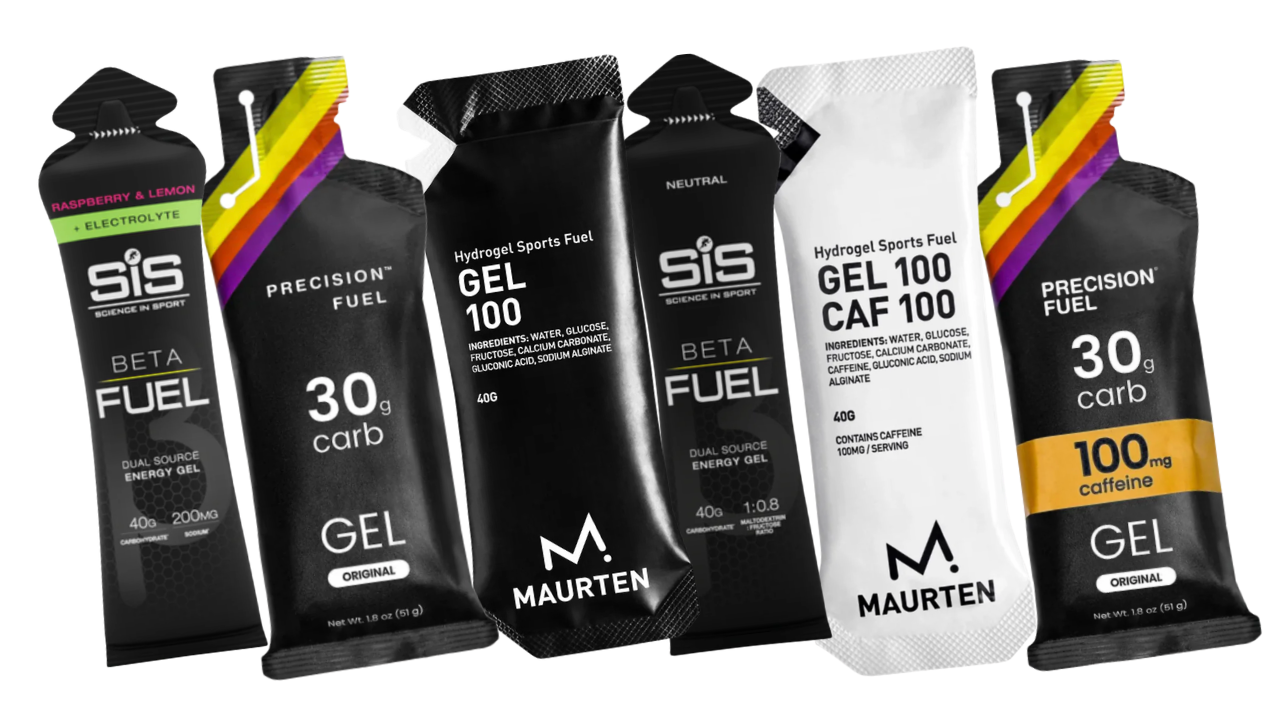
Quick answer: In the Maurten vs Precision debate, there is no single "best" gel, but there is a best gel for your gut, your race and your wallet. Maurten Gel 100 (25g of carbohydrate, a 1:0.8 glucose to fructose ratio) is the smoothest hydrogel but the most expensive per gram of carbohydrate at arou...
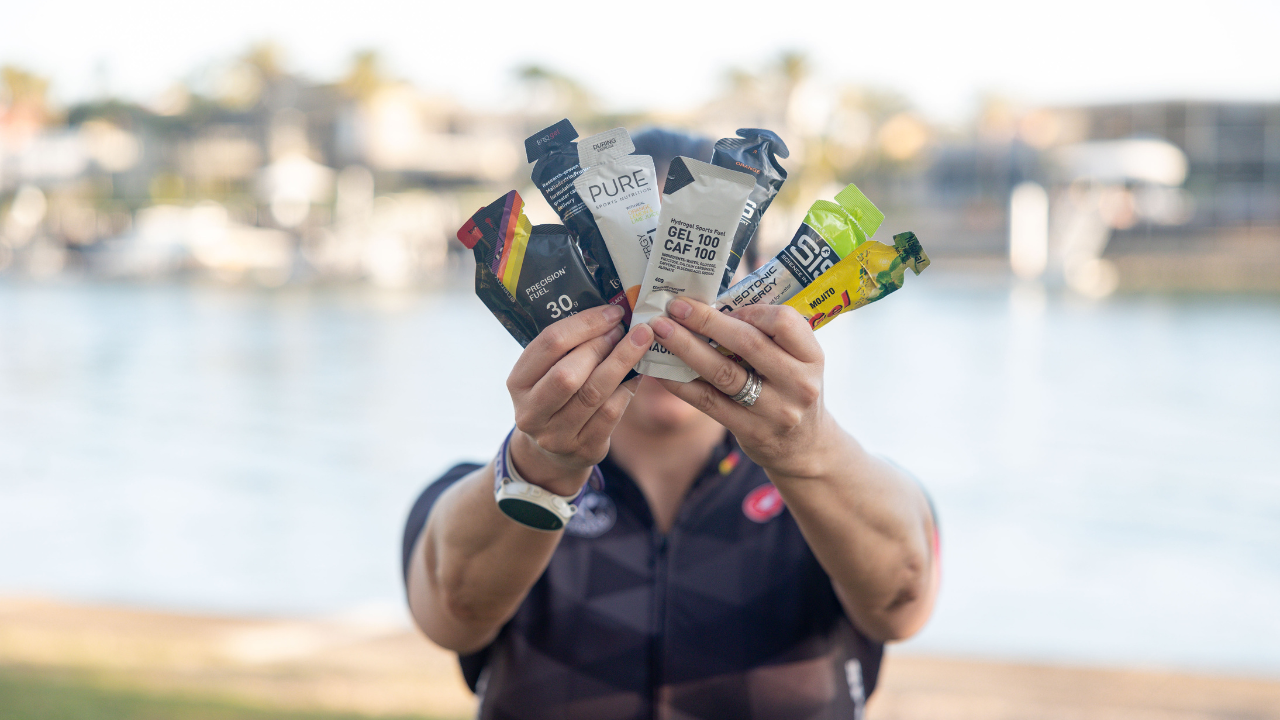
The best triathlon gel for you is the one that delivers the carbs you need, in a glucose-fructose ratio your gut can absorb, at a price you can afford to use in real training volume.
On the numbers that actually matter for age-group triathletes, three gels lead the pack in 2026: Maurten Gel 100, Pr...
Recovery nutrition for triathletes should start within 30 to 60 minutes after training and include both carbohydrate and protein to restore glycogen, repair muscle damage and support adaptation. Delaying recovery nutrition by even two hours can reduce muscle glycogen resynthesis rates by almost 45% ...

Your gut microbiome does change in response to training, with measurable shifts occurring within 3–4 weeks depending on training type, intensity and stress load. These changes can influence endurance performance, recovery and even motivation, largely through effects on inflammation and short-chain f...
If you're a triathlete who's ever been tempted by AG1, the green powder promising to cover all your nutritional bases in one daily scoop, and wondered whether it's actually worth it, this is for you.
A peer-reviewed study dropped in the Journal of the International Society of Sports Nutrition examin...
If you’re an age-group triathlete spending hours researching gels, supplements and race day strategies… but still feeling flat, fatigued or stuck, this might hit a nerve.
Because here’s the truth:
You’re probably focusing on the wrong things.
After working with thousands of triathletes over the last...