
Triathlon Nutrition Blog

Triathlon nutrition priorities work in a fixed order, and most triathletes run that order backwards. The eight things worth fixing, in sequence, are your overall energy intake, your carbohydrate periodisation, your protein distribution and your day-to-day food quality first, then your hydratio...
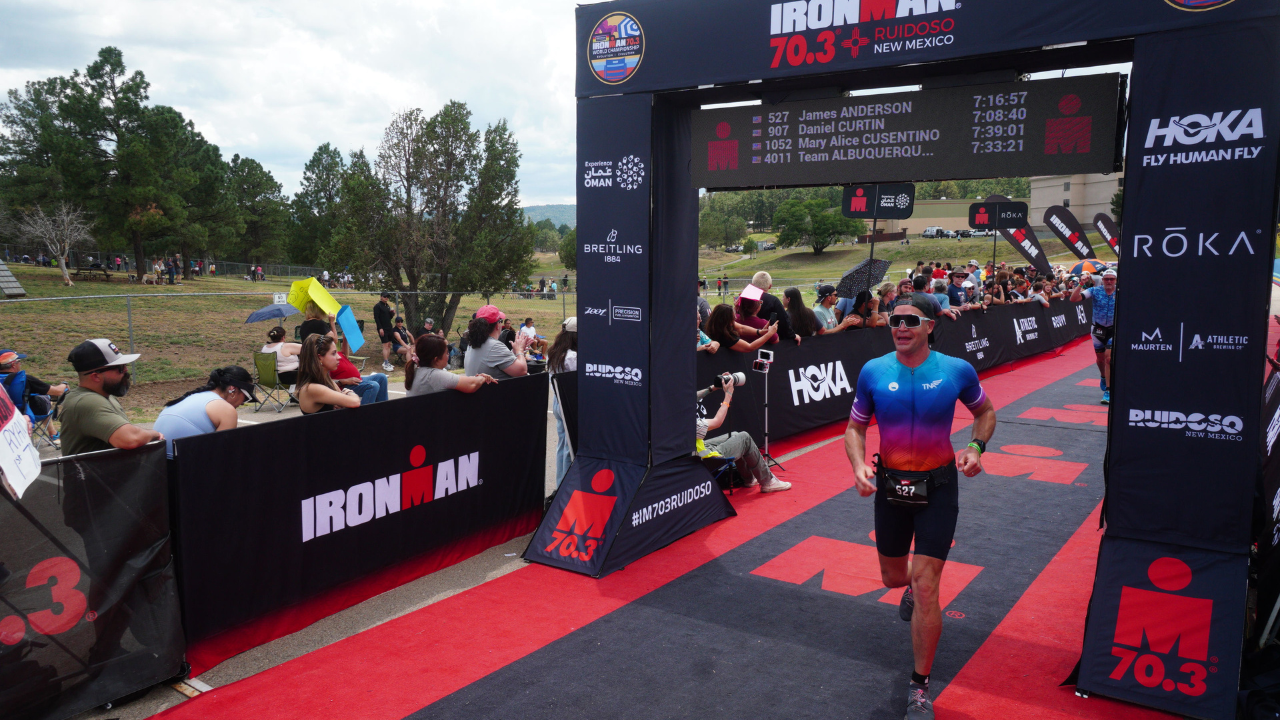
Quick answer: A 70.3 nutrition plan comes down to four numbers. Carb load at 10 to 12 grams of carbohydrate per kilogram of body weight per day for the 36 to 48 hours before the race, eat 2 to 3 grams per kilogram at breakfast 2 to 3 hours before your wave, take in 70 to 90 grams of carbohydrate per...
Ironman nutrition is not 70.3 nutrition with more hours attached. Carbohydrate targets climb from around 60g per hour to 90g or more, liquid-only fuelling stops being tolerable somewhere in the middle of the bike leg, and a small hourly shortfall you never noticed over five hours compounds int...
Quick answer: Caffeine for triathlon works at 3 to 6 mg per kilogram of body weight, taken around 60 minutes before you need it. For a 72 kg athlete that is 216 to 432 mg. Doses of 3 to 6 mg/kg improve endurance performance consistently, the minimum effective dose can be as low as 2 mg/kg and 9 mg/k...
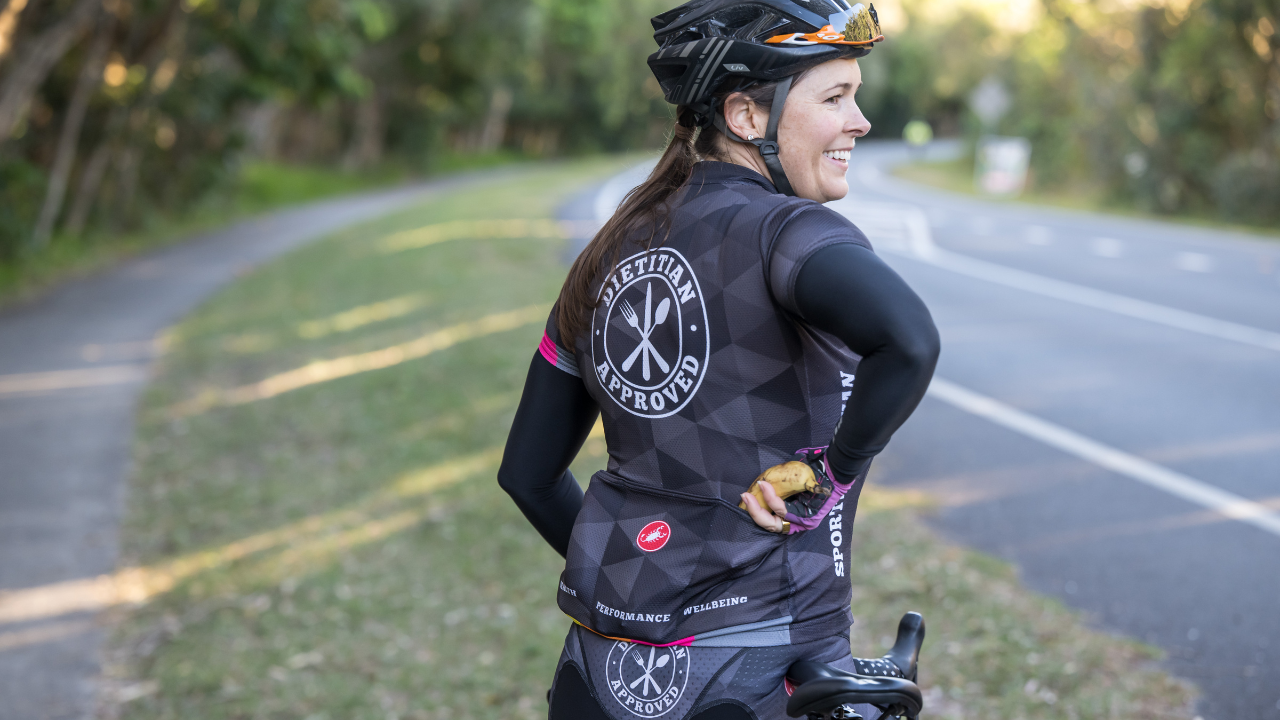
Quick answer: Gut training for triathlon means deliberately practising higher carbohydrate intakes in training so your gut adapts to absorb them without distress. It works because your intestine upregulates its transporters and your stomach learns to tolerate volume. Two weeks of repeated gut-challe...
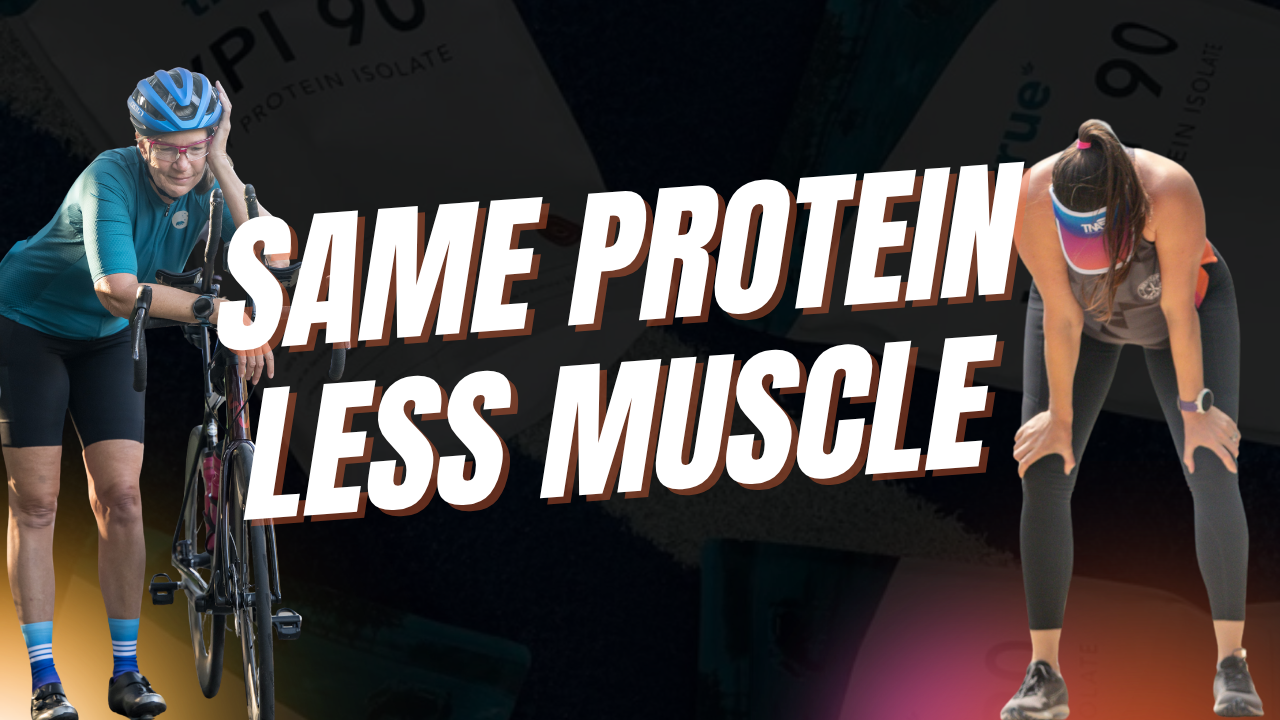
Protein for Masters Athletes: Why More Isn't Working
Quick answer: Protein for masters athletes is not a volume problem. As you get older your muscles do less with the same protein, a change called anabolic resistance, but the research shows that simply eating more does not undo it. When rese...

Overtraining and under-fuelling produce almost identical symptoms, because both start with the same energy shortfall in the brain. The difference is that overtraining syndrome is a diagnosis of exclusion, meaning low energy availability has to be ruled out first. When researchers reviewed ever...
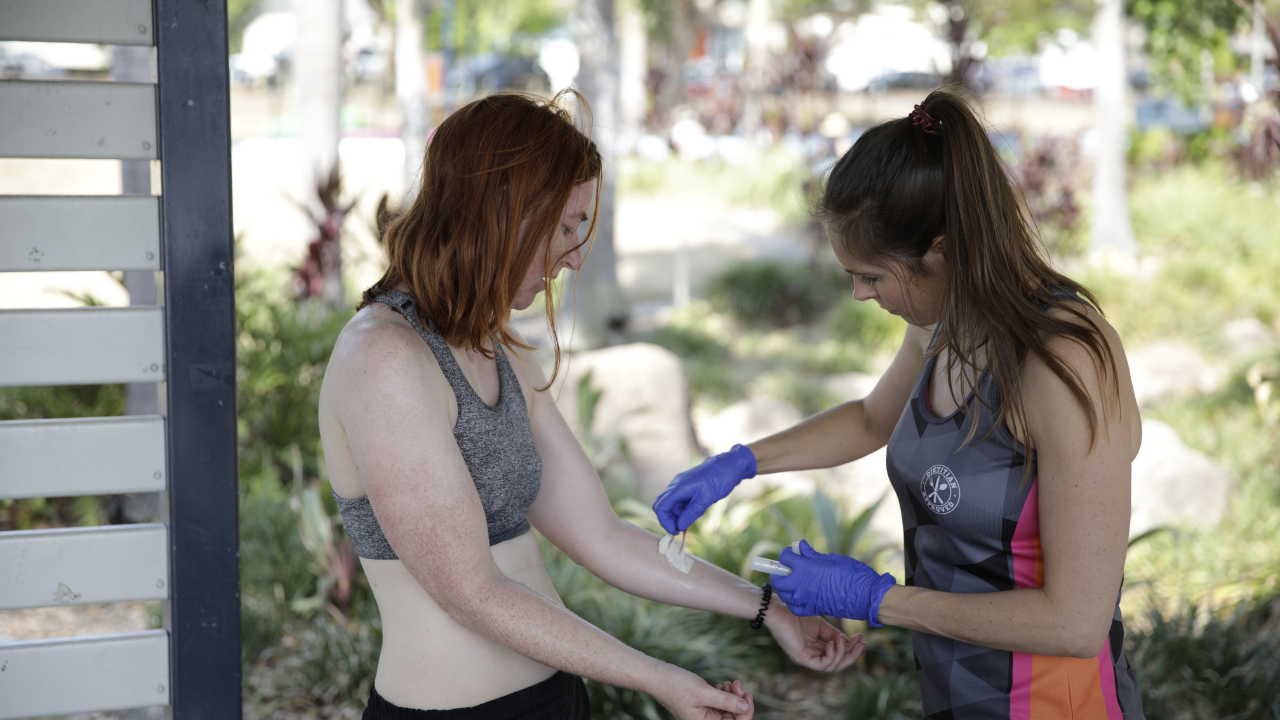
Quick answer: A sweat rate test at home takes 60 minutes, a set of digital scales and a towel. Weigh yourself nude before and after a one-hour session, track exactly how much you drink, then run the numbers: sweat rate (litres per hour) = weight before in kg, minus weight after in kg, plus fluid con...
Quick Answer
No, carb loading is not a myth. The 2026 commentary behind the headlines was not a new performance study. It reviewed 14 existing studies, only 2 of which were double blind placebo controlled trials, and most tested carb loading with no fuel taken during exercise at all. Those studies...
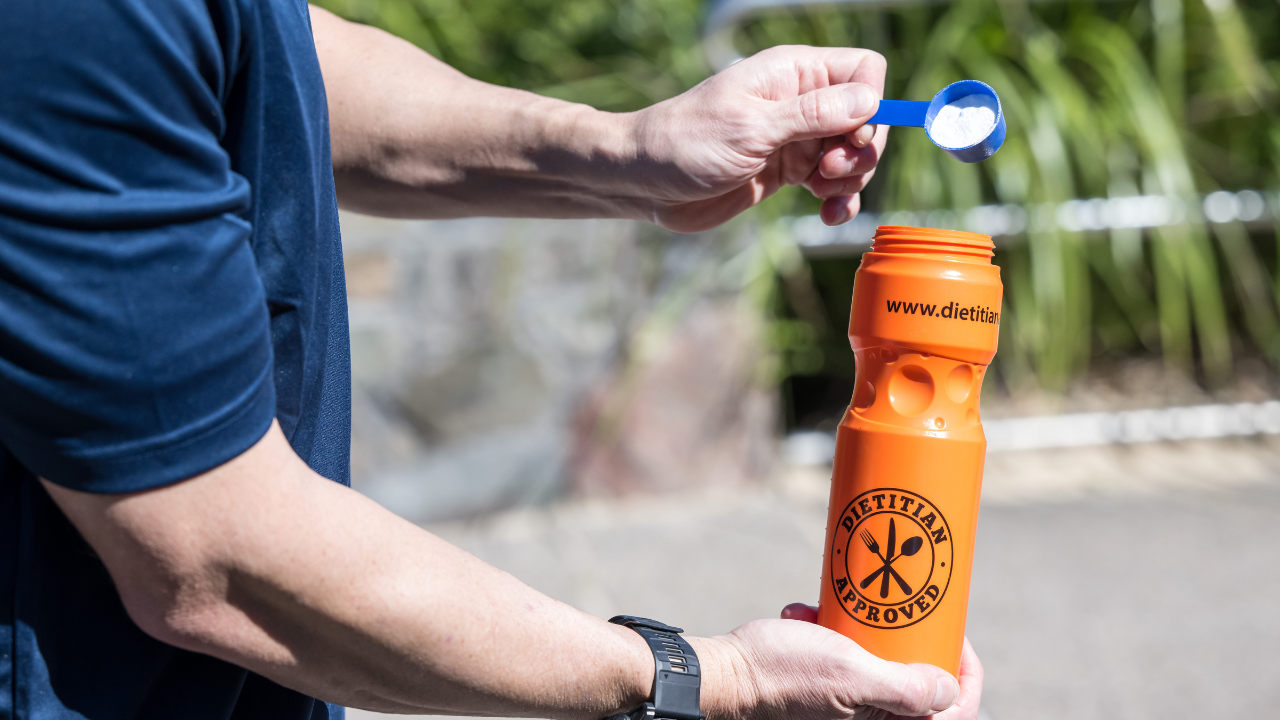
Quick answer: Most endurance athletes lose around 1,190mg of sodium per hour of hard training, but the honest range sits somewhere between 550mg and 1,830mg per hour depending on how much you sweat and how salty that sweat is (Barnes et al., 2019, Journal of Sports Sciences). Sodium for triathletes ...
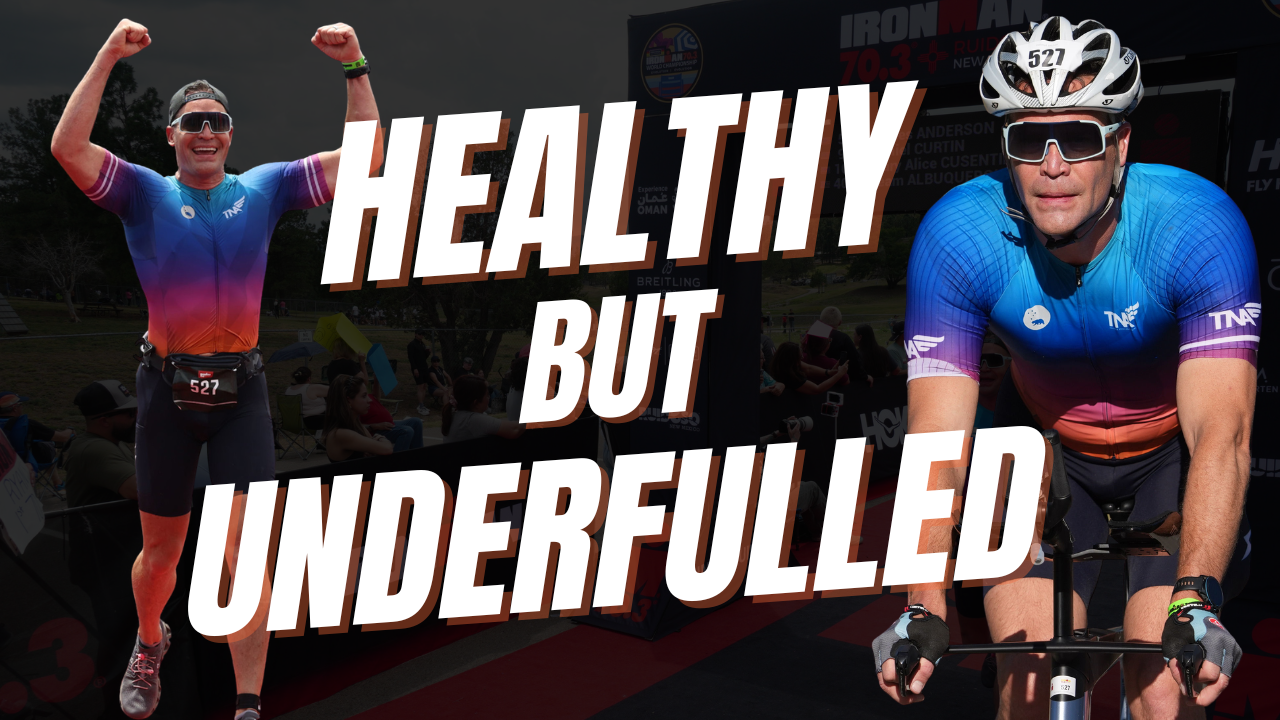
Triathlon nutrition is not the same thing as healthy eating. Healthy eating asks what is on your plate. Triathlon nutrition asks how much carbohydrate you need for the training load in front of you, when to eat it relative to your session, and what you take in while you are actually moving. Plent...
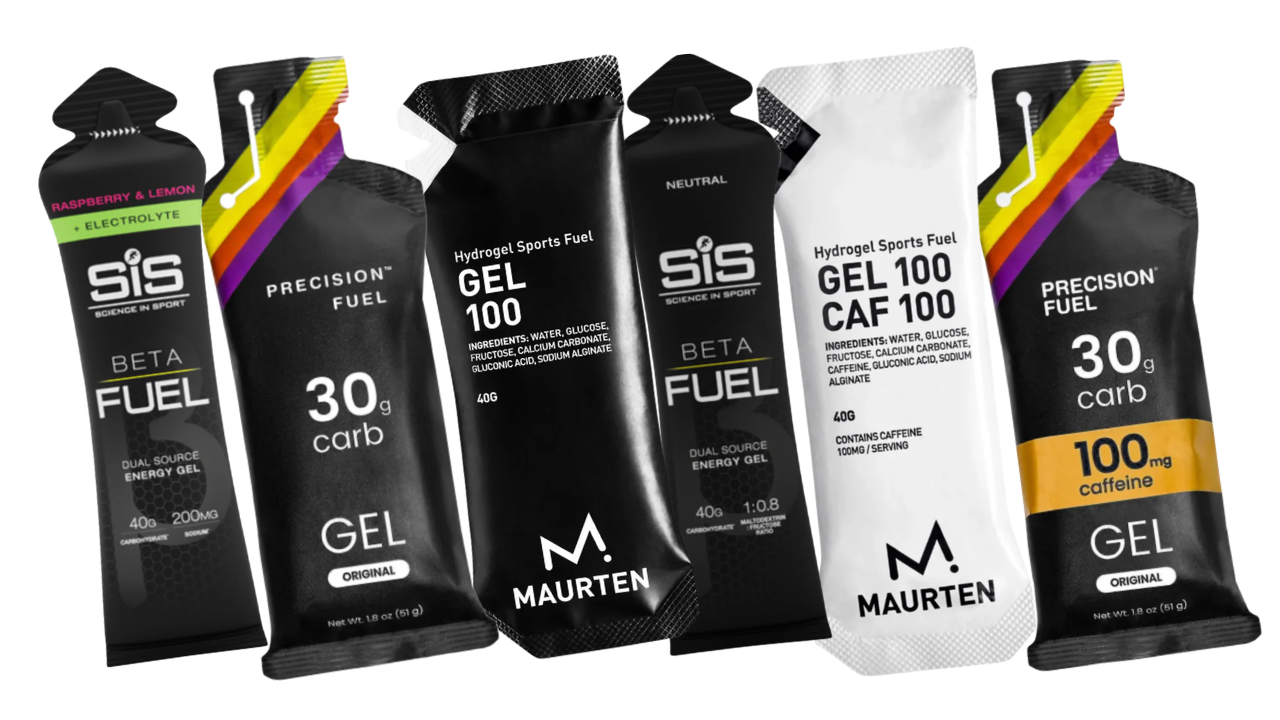
Quick answer: In the Maurten vs Precision debate, there is no single "best" gel, but there is a best gel for your gut, your race and your wallet. Maurten Gel 100 (25g of carbohydrate, a 1:0.8 glucose to fructose ratio) is the smoothest hydrogel but the most expensive per gram of carbohydrate at arou...