
Triathlon Nutrition Blog

We asked Professional Cyclist Nic Moerig to provide a little bit of insight into what it’s like on the road as an elite athlete. Her account may surprise you…
Words by Nic Moerig
At World Tour races you are constantly surrounded by athletes from the World’s top teams. You race together, stay toget...
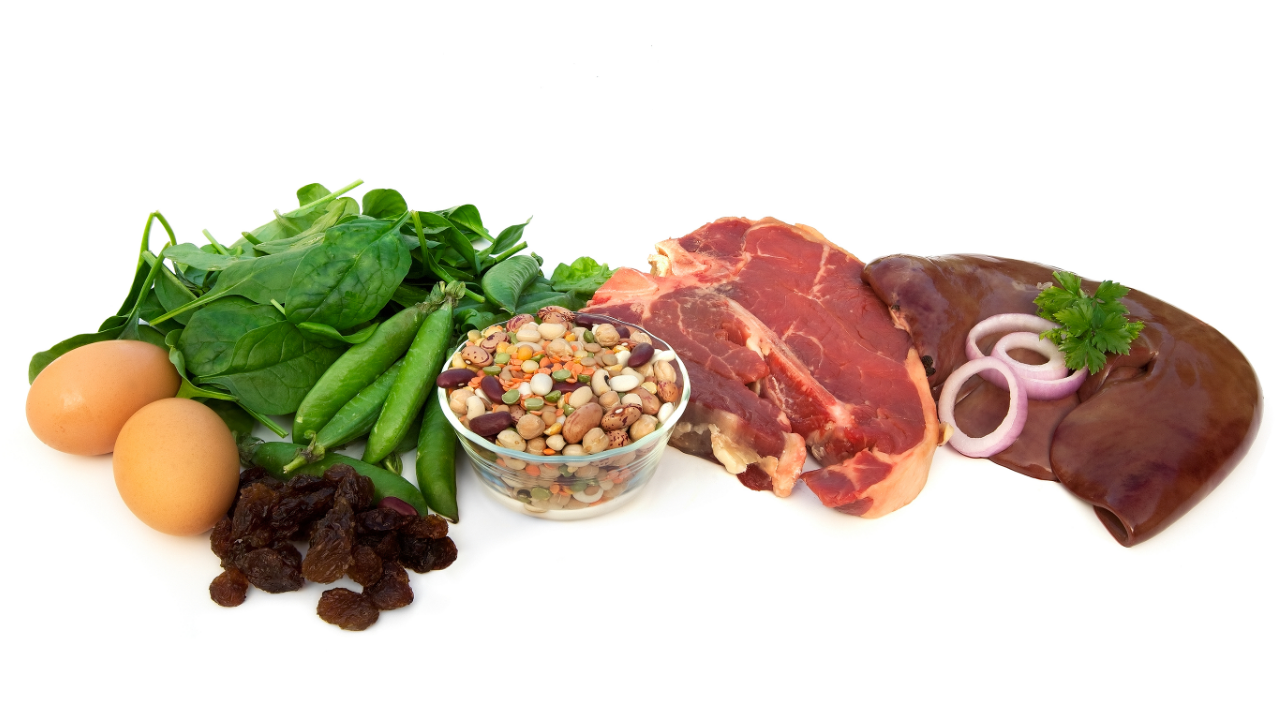
There can be many reasons for feeling tired and exhausted sometimes. Keeping up with the demands of training, getting enough sleep, managing stress, eating well and staying hydrated are all factors that affect how we feel day to day. Meeting our vitamin and mineral requirements is also key to feelin...

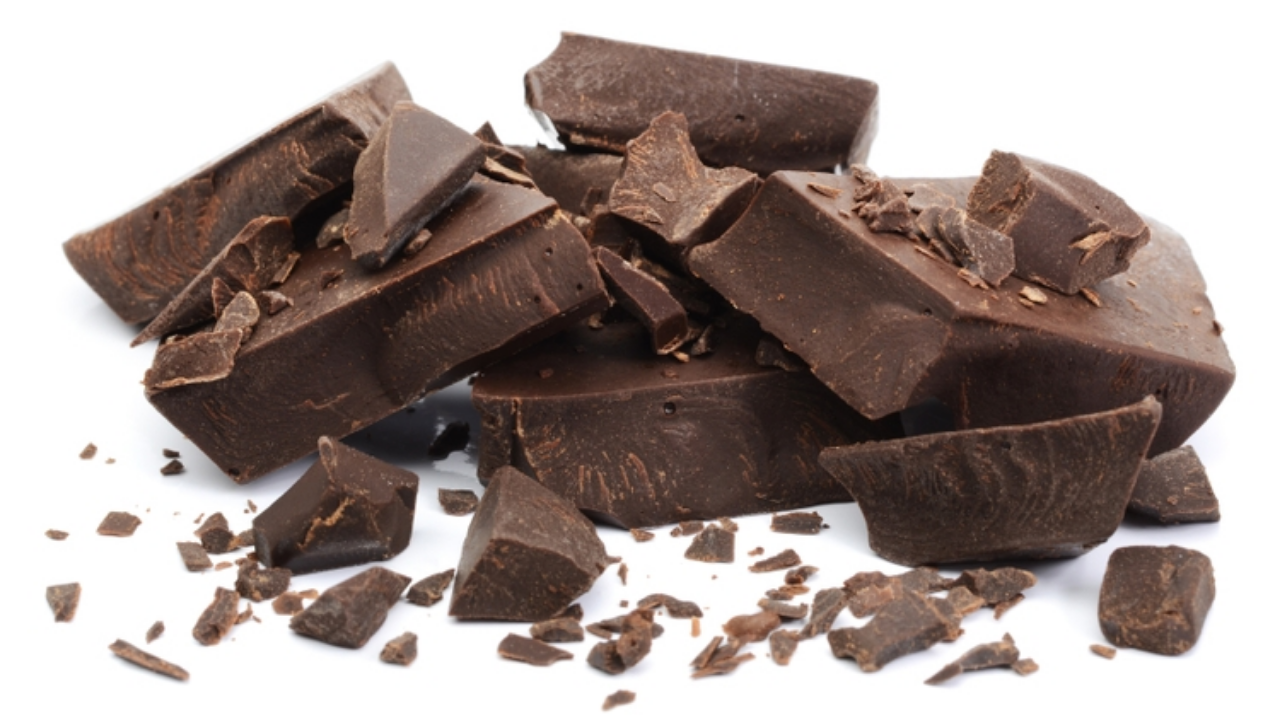
There’s been lots of talk in the media about chocolate being good for you. From lowering blood pressure to increase HDL cholesterol, it’s the new wonder drug (apparently). Dark chocolate, in particular, is rich in cocoa, which is the seed part of the cocoa tree. Cocoa is rich in a compound called fl...

Quick answer: Carb loading for triathlon means eating 8 to 12 grams of carbohydrate per kilogram of body weight per day for the 48 hours before your race, while your training is tapered right down. For a 70kg athlete that is 560g to 840g of carbohydrate a day, which is roughly double a normal traini...


Whether you’re a beginner runner or pro athlete, nutrition plays a key role in running performance. Check out these winning tips to eat and drink your way to peak performance.
Find Balance
Running is (generally speaking) a high energy burning sport. Sometimes this allows us to get away with eating w...

There is so much media attention around low carbohydrate diets at the moment; it’s hard to decipher what is fact and what is fiction. Low-carbohydrate diets are not a new dietary concept by any means, yet they have made a popular comeback with claims of rapid weight loss and other health benefits. A...


Summer is just around the corner and as the temperature heats up, now is the perfect time to visit hydration and its effects on exercise performance.
Our body is over 60% water making hydration essential for everyone, all the time. Water plays many important roles in our body including maintaining b...

Caffeine is a widely used, socially acceptable stimulant.
It is found naturally in the leaves, beans and fruits of a variety of plants. The most common dietary sources of caffeine include tea, coffee, cola, energy drinks, chocolate and supplemented sports foods like gels and shots. It is rapidly...